Table of contents
The vibrant worlds of manga and anime have long captivated audiences with their artistic flair, unique storytelling, and imaginative aesthetics. In recent years, these influential mediums have begun to reshape the global fashion landscape, inspiring bold new trends and creative expressions. Explore how manga and anime have woven their way into today’s fashion trends, and uncover the fascinating ways these cultural phenomena are leaving their mark on wardrobes everywhere.
Manga's Signature Style Elements
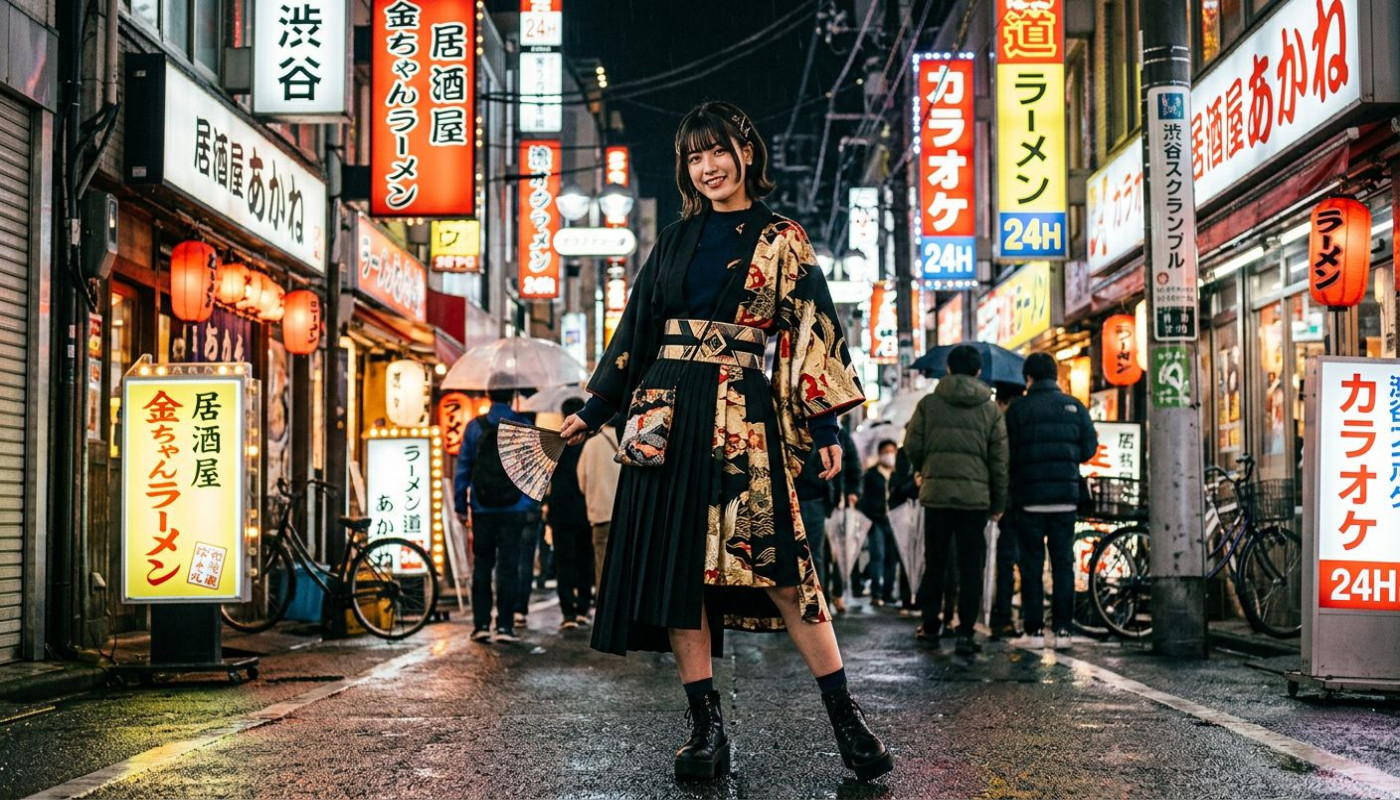
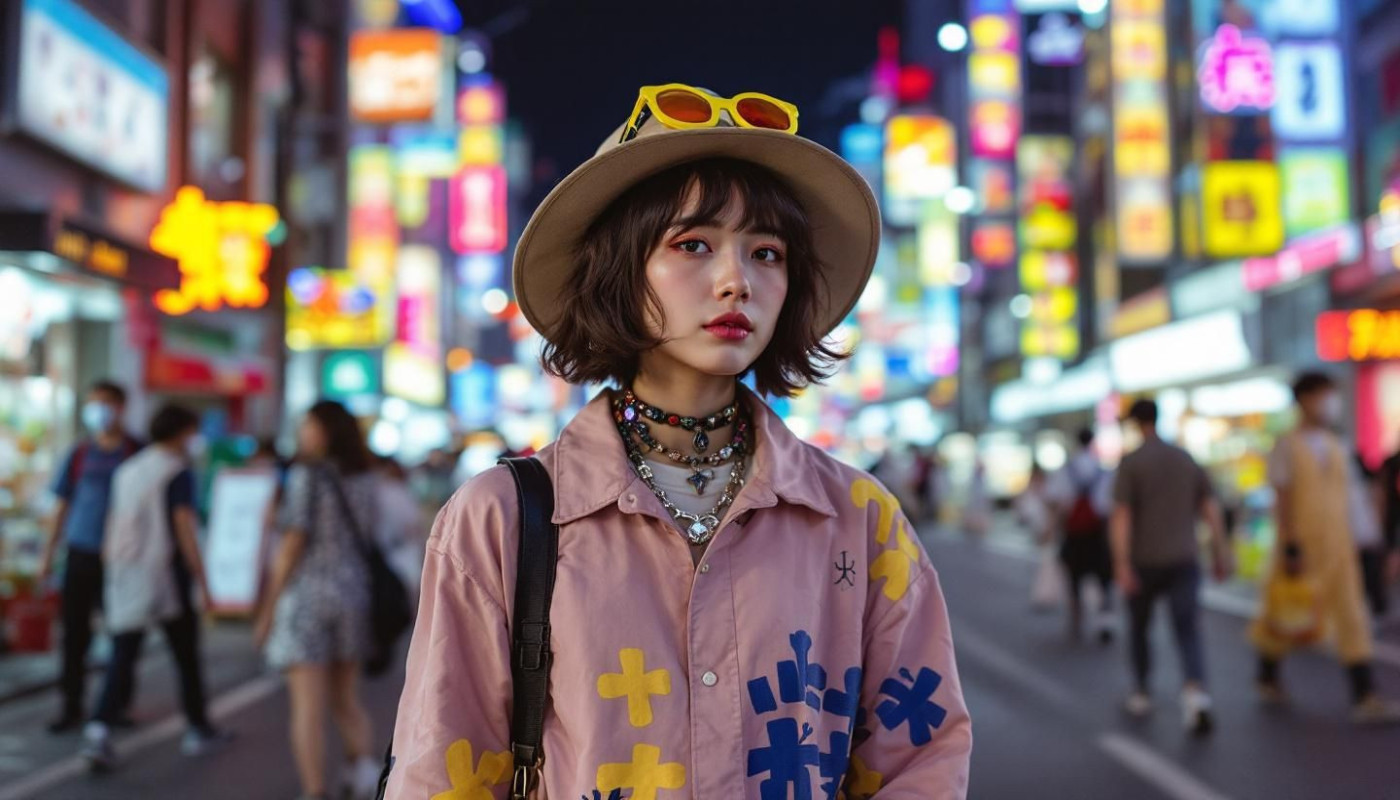
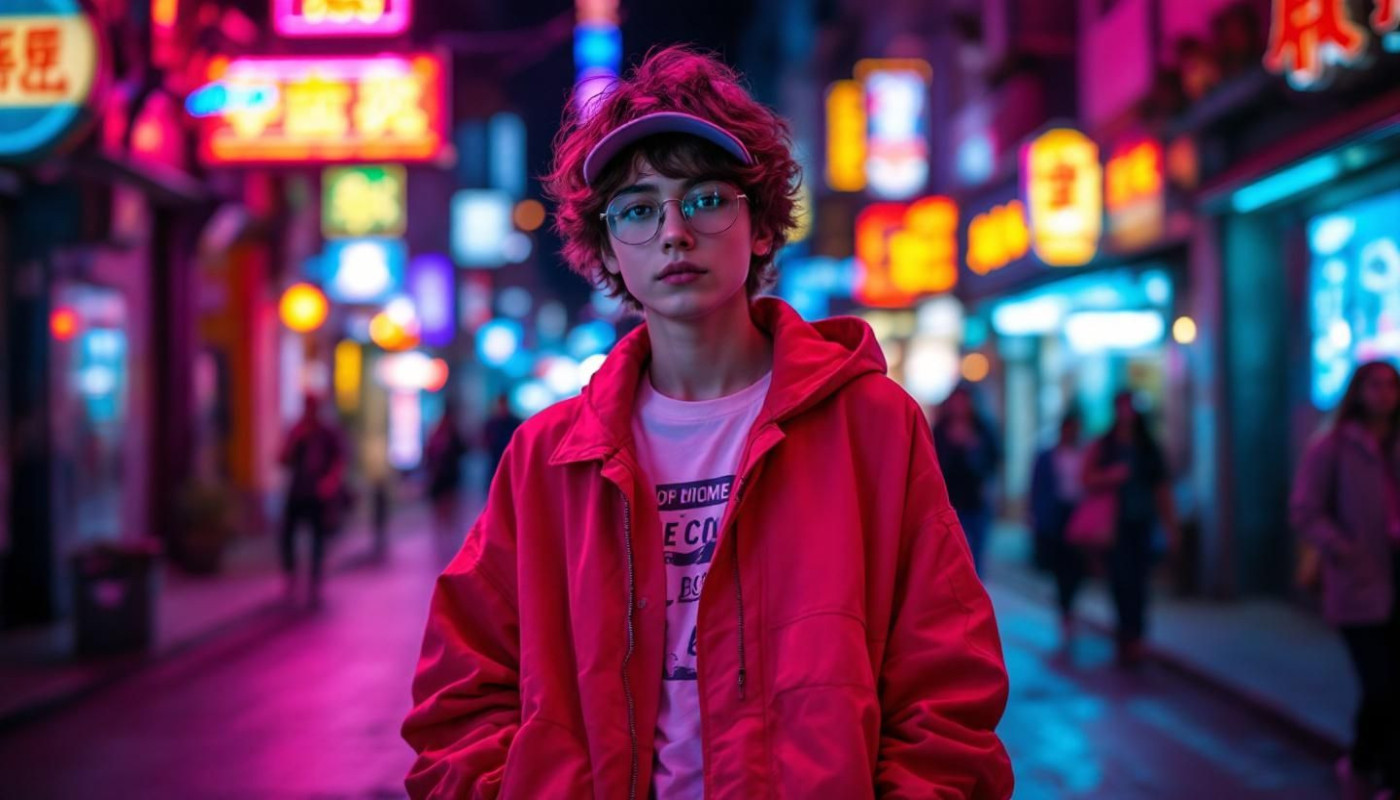
Manga fashion has ushered in a wave of signature style elements that have become unmistakable in contemporary wardrobes. Exaggerated silhouettes, such as oversized sleeves and dramatic proportions reminiscent of iconic character designs, add visual intrigue and instantly signal an affinity with manga’s dynamic aesthetic. Designers often experiment with graphic prints that mirror the high-contrast, bold linework of manga illustrations, bringing a sense of movement and narrative to clothing. These visual motifs are further enriched by playful accessories—think statement hair clips, chunky shoes, or quirky handbags—which channel the mix-and-match approach seen in many beloved manga archetypes.
Character archetypes serve as a wellspring of inspiration, providing a blueprint for distinctive looks. Heroic leads, enigmatic antagonists, and whimsical sidekicks are all known for their unique color palettes and instantly recognizable costumes. These elements are adapted by fans and fashion innovators who draw from manga’s visual storytelling techniques, using color blocking, layering, and accessory choice to evoke specific moods or personalities. This translation of illustrated personas into wearable art demonstrates a deep appreciation for the source material while allowing for fresh, personal interpretation.
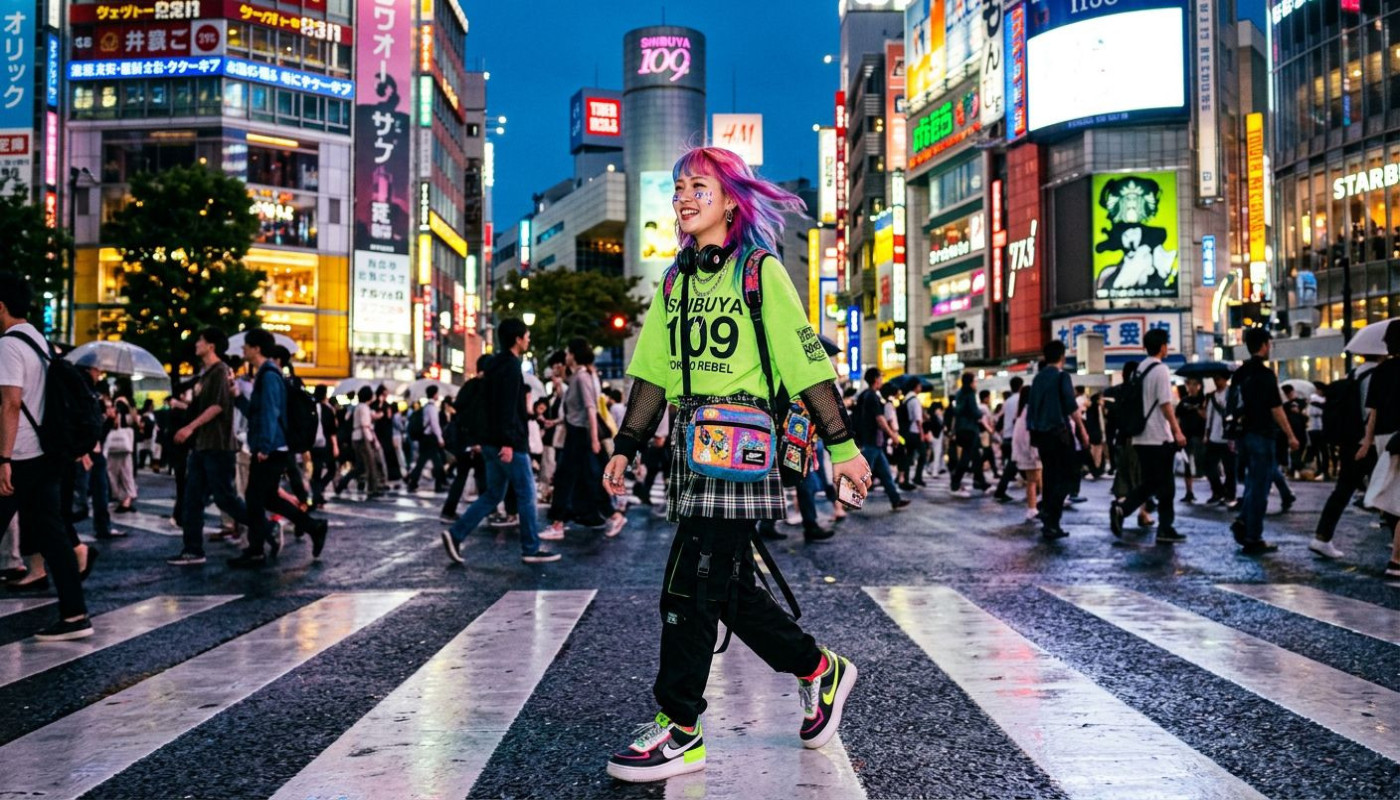
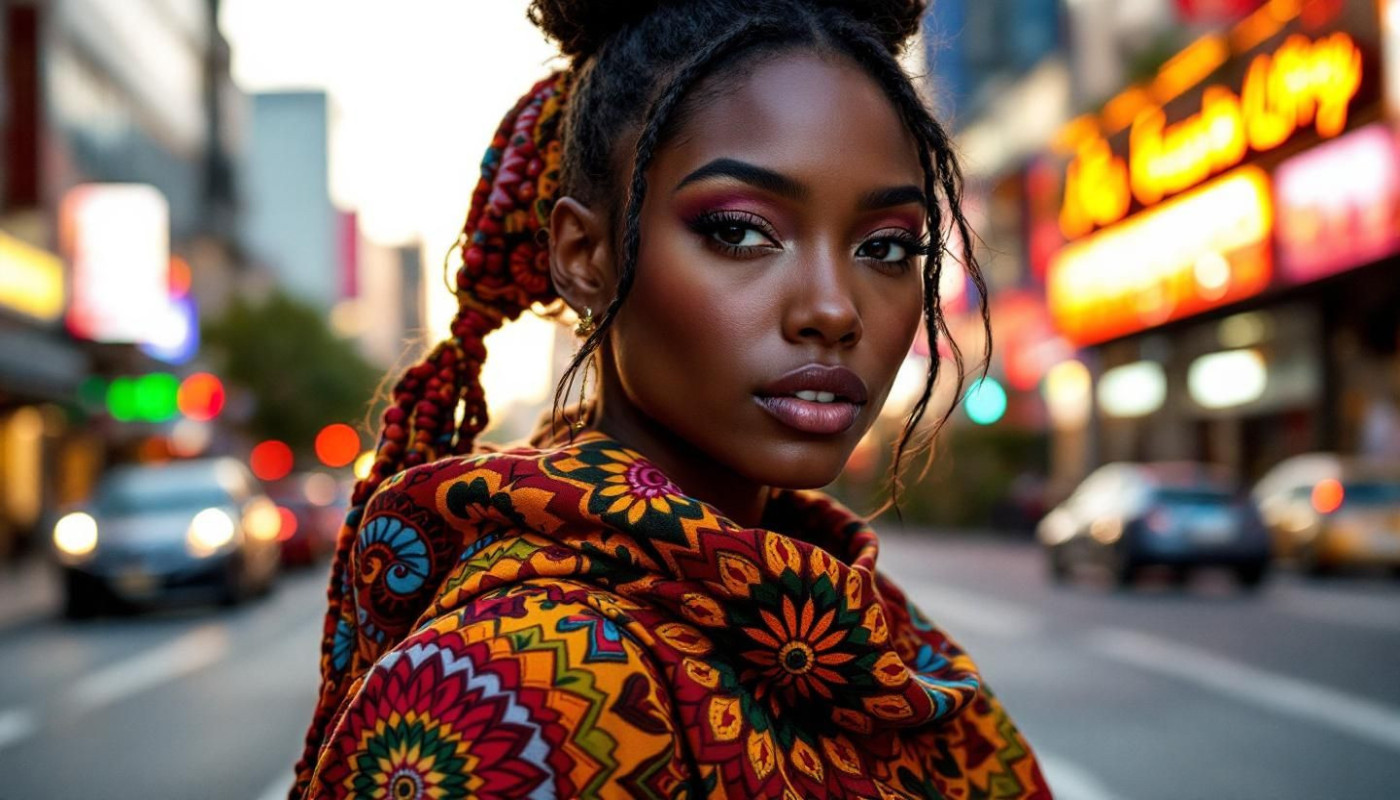
Signature style trends emerging from manga fashion extend beyond the garments themselves, influencing makeup, hair, and even attitude. The adoption of bold eye makeup and vibrant hair colors, for instance, often mirrors the expressive features and color schemes found in manga panels. Through these creative choices, enthusiasts and designers alike participate in a global dialogue, redefining what it means to express individuality in a visually driven age. The enduring appeal of manga’s visual motifs lies in their flexibility, offering endless opportunities for reinvention and personal narrative within modern style.
Anime's Influence On Streetwear
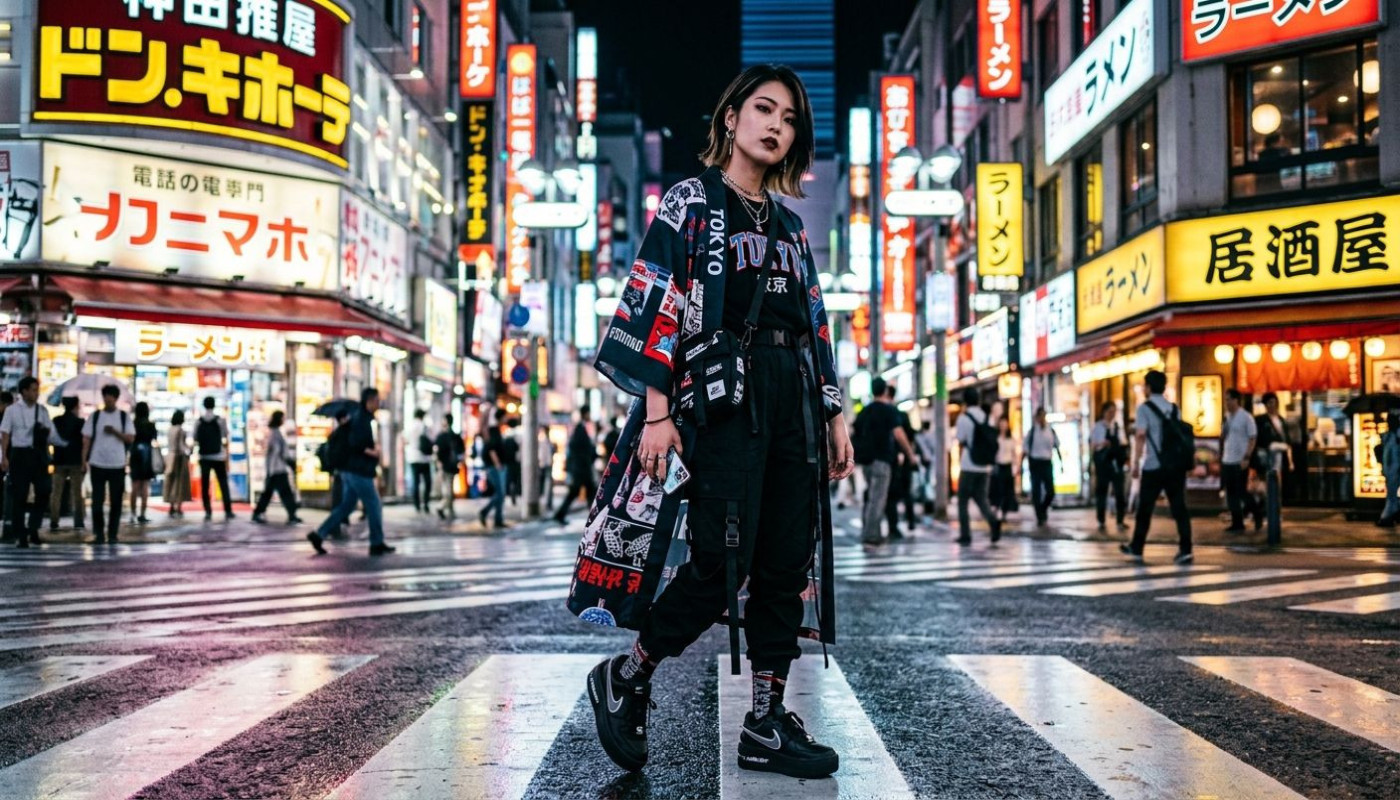
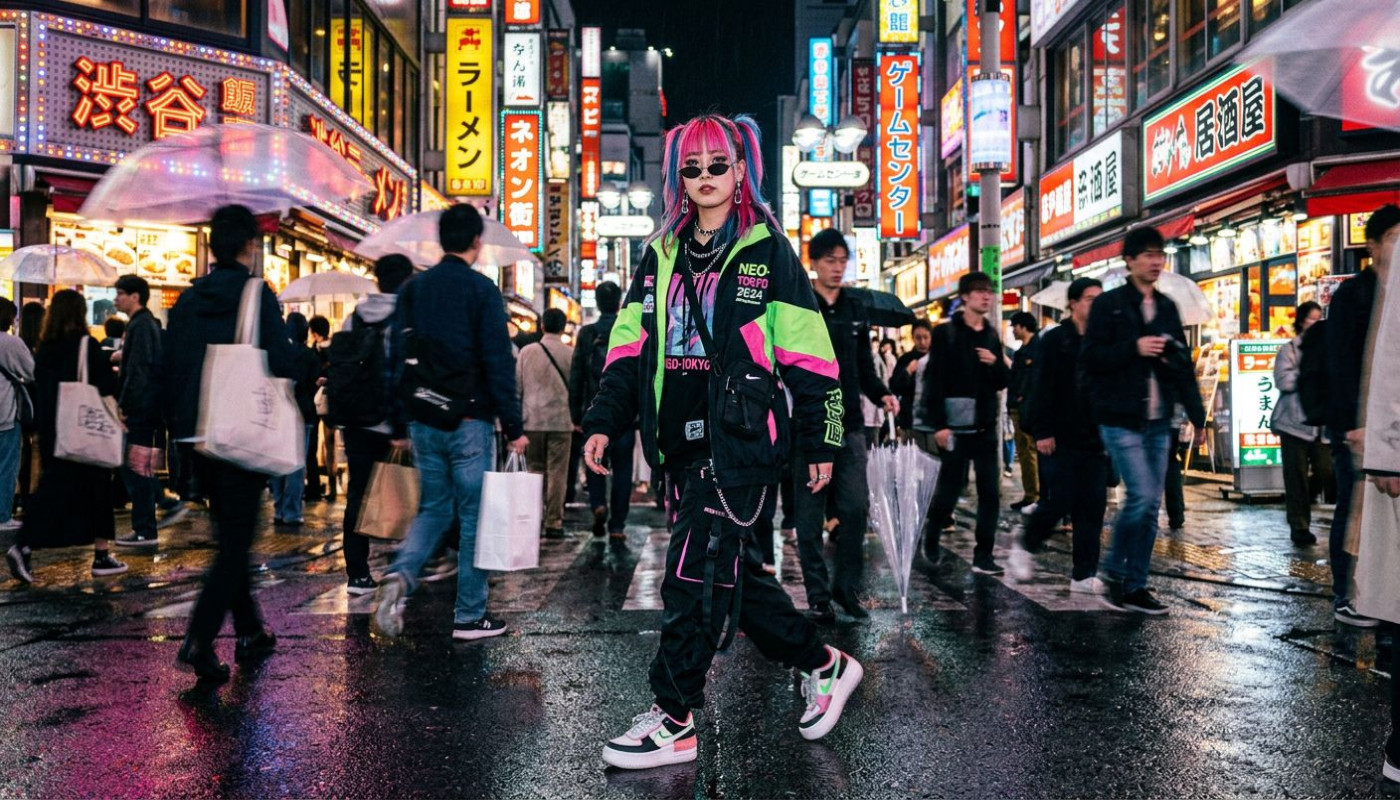
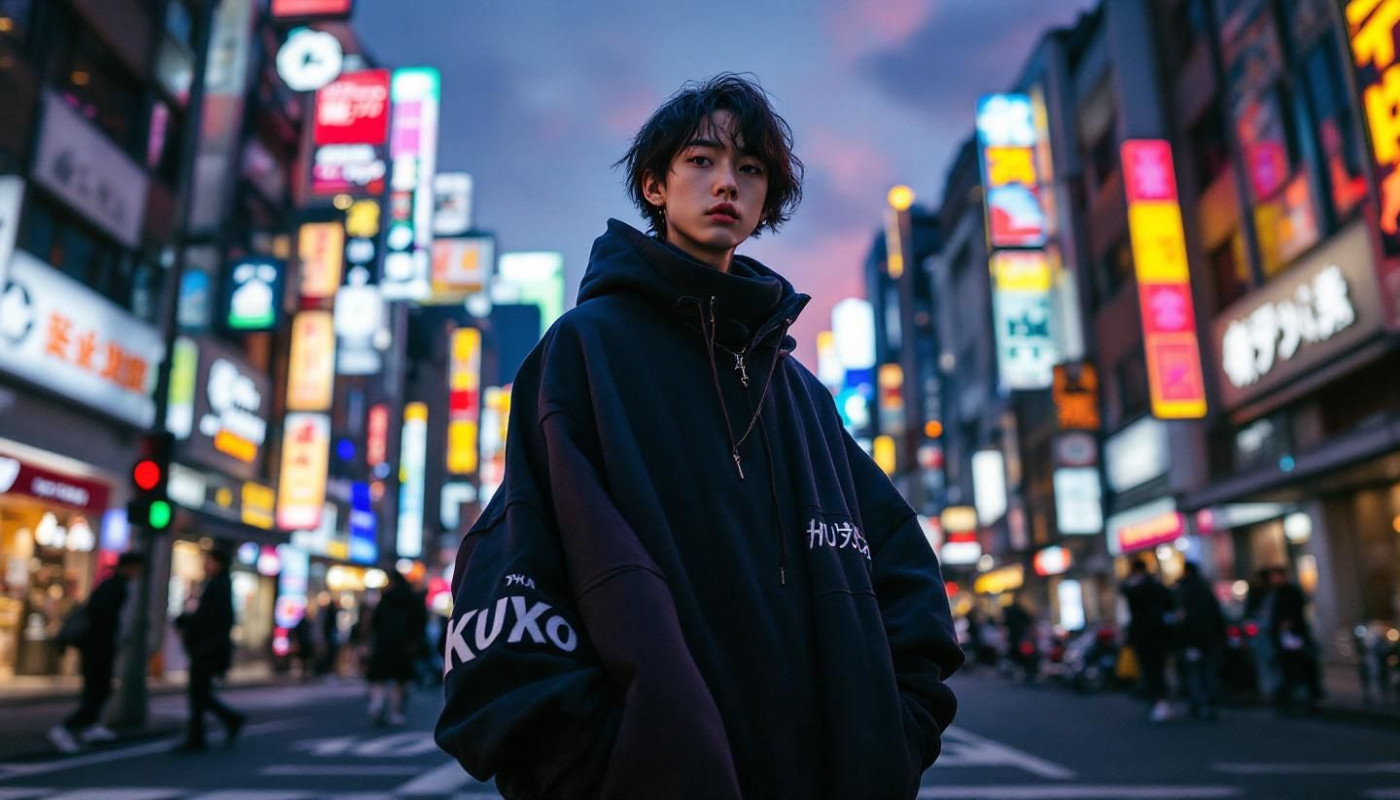
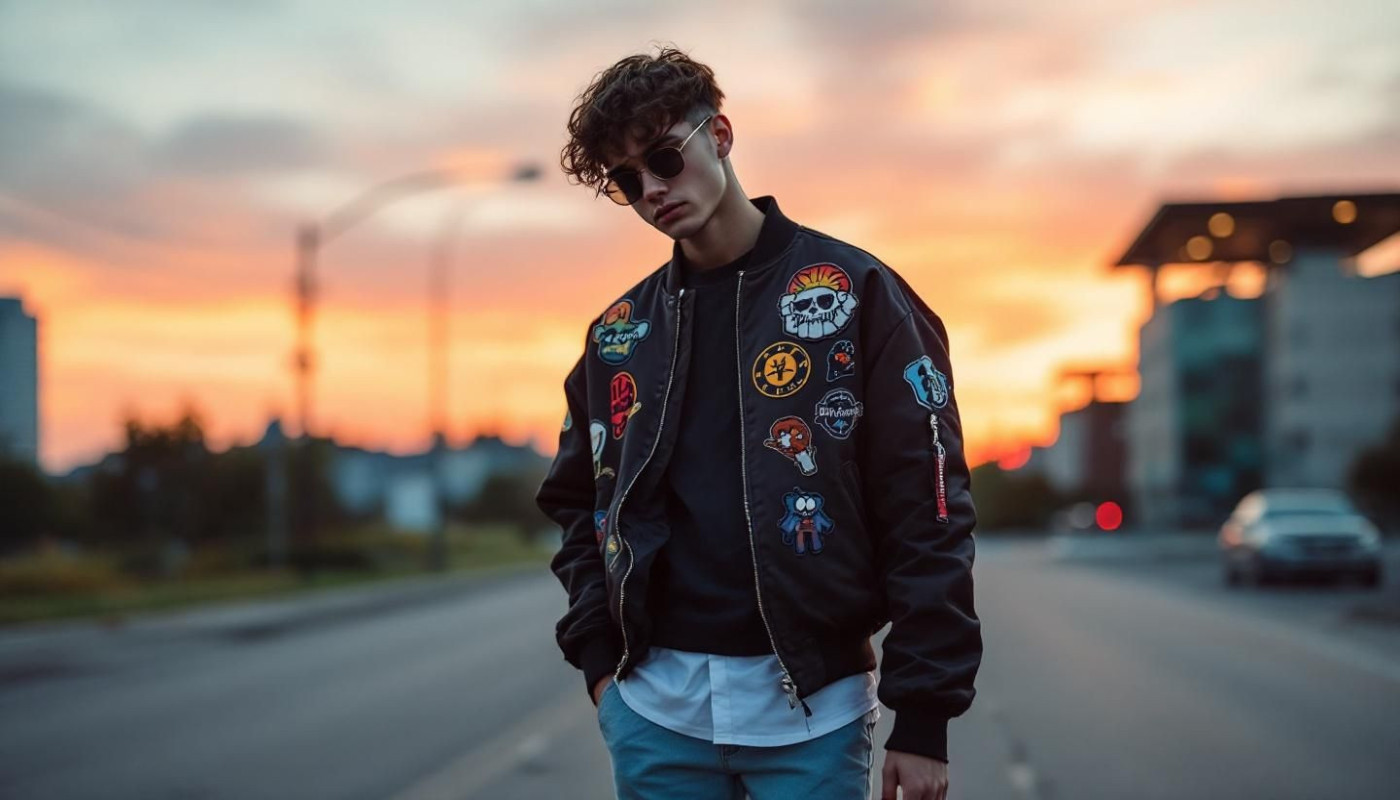
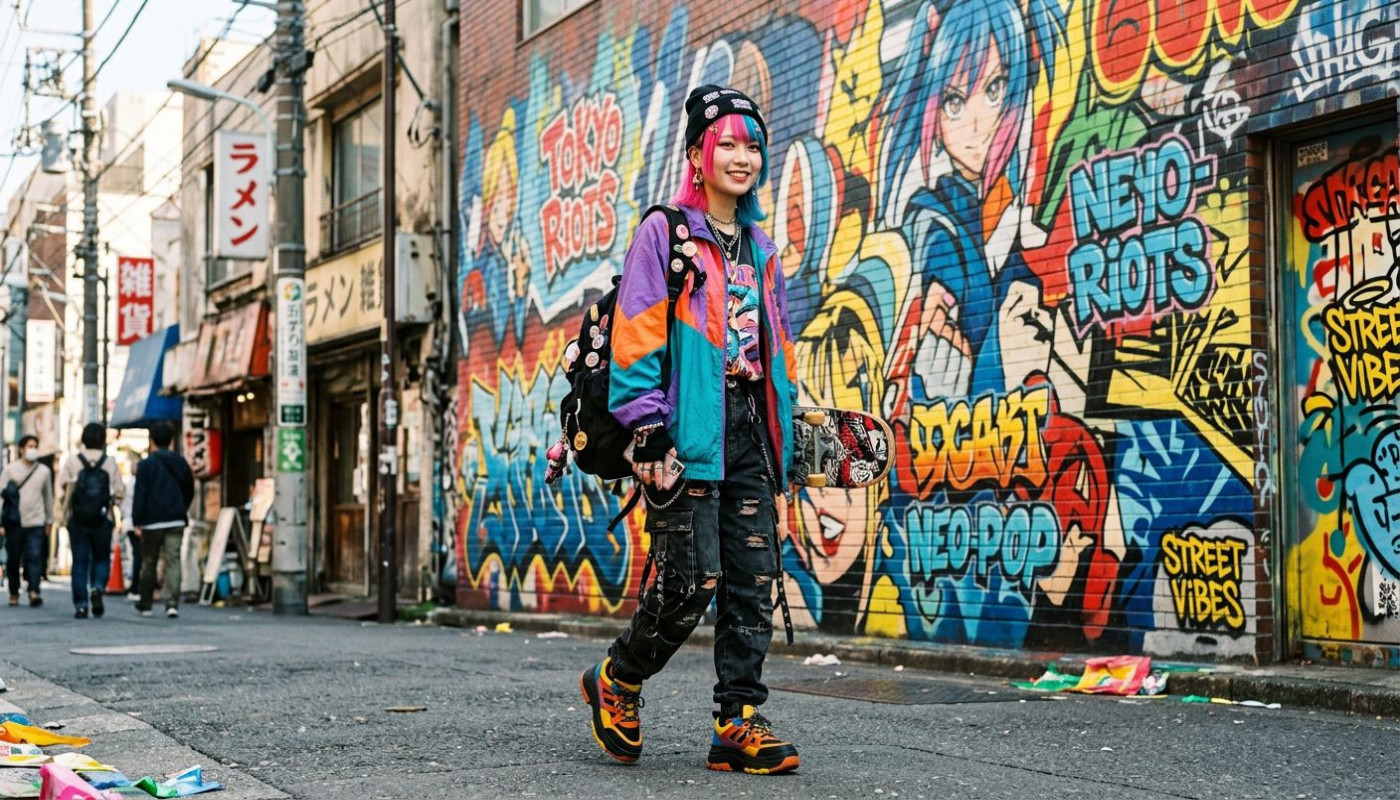
Anime streetwear has become a dynamic force in street style, drawing heavily on the vivid imagery and narrative-driven aesthetics found in popular Japanese animation. The integration of bold graphics—character prints, vibrant logos, and symbolic motifs—onto hoodies, jackets, and sneakers is a direct nod to beloved anime series, allowing enthusiasts to express fandom through fashion in visually striking ways. Layering techniques, often inspired by the complex costumes of anime characters, have also reshaped the silhouette of contemporary streetwear, encouraging experimentation with oversized garments, mixed textures, and unconventional accessories. This approach not only creates a unique visual language but also challenges traditional norms in street style, making anime streetwear a key driver of innovation.
Subcultural diffusion plays a significant role as global communities adopt and reinterpret these trends, leading to a cross-pollination of ideas between Eastern and Western streetwear scenes. Fandom expression extends beyond simple homage; it becomes a statement of cultural identity and personal narrative, with wearers signaling their allegiance to particular characters or storylines. Major fashion brands and independent designers alike have leveraged collaborations with anime franchises to produce limited-edition collections, reinforcing the genre’s presence on runways and in everyday street style. The widespread acceptance of anime streetwear demonstrates its lasting impact, as it continues to shape the visual language and social dynamics of global youth culture.
Cosplay's Role In Everyday Fashion
Cosplay influence has expanded far beyond the confines of conventions, gradually merging with everyday fashion as enthusiasts and designers alike embrace costume-inspired aesthetics. Traditionally associated with character embodiment at themed gatherings, cosplay now inspires mainstream wardrobes, with elaborate accessories such as statement belts, ornate jewelry, and detailed headpieces making regular appearances on city streets. This trend is not limited to bold looks; more subtle themed apparel, like jackets patterned after anime uniforms or shoes inspired by manga protagonists, is increasingly common in global streetwear. These elements allow wearers to subtly reference beloved stories and characters, reflecting the growing acceptance and integration of pop culture in daily self-expression.
As noted by leading specialists in costume history and fashion evolution, this shift reflects a broader social movement where personal identity and fandom increasingly intersect through fashion. Everyday fashion now features motifs and silhouettes reminiscent of popular anime and manga, making character embodiment a mainstream practice rather than a niche hobby. For those interested in exploring these evolving trends or finding inspiration for their own wardrobe, read more offers a curated selection of themed apparel and elaborate accessories directly influenced by Japanese pop culture, providing a gateway to incorporating costume-inspired flair into daily life.
Cultural Exchange And Global Trends
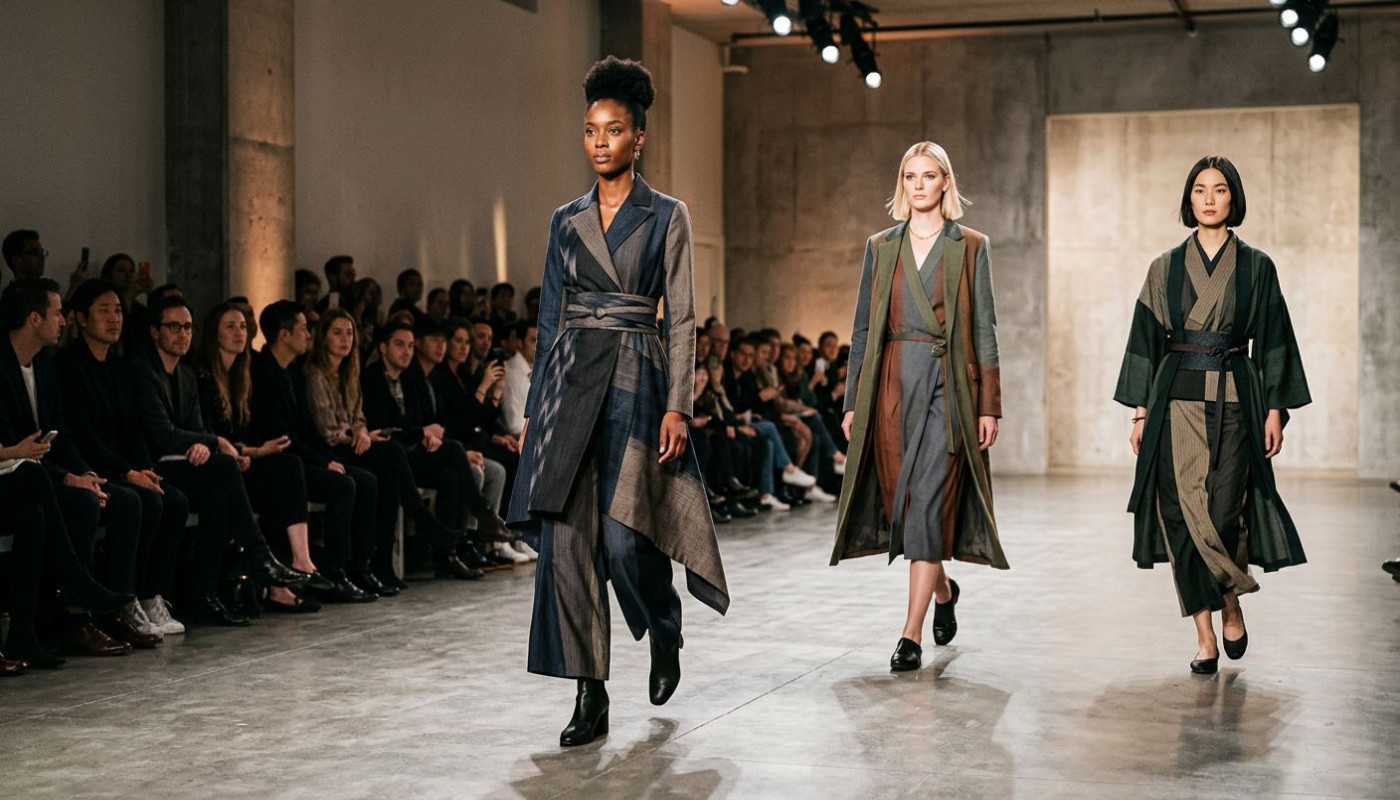
Cultural exchange between Japanese pop culture and global fashion trends has fueled a dynamic process known as cross-cultural pollination, where ideas, aesthetics, and styles continuously circulate and evolve. Japanese pop culture, particularly through manga and anime, has introduced vibrant visuals, unique silhouettes, and playful motifs that have been eagerly adopted and reimagined by international designers. This bidirectional influence not only brings Japanese elements into mainstream wardrobes but also encourages the reinterpretation of Western fashion within Japan, often resulting in hybrid styles that blend tradition with innovation. The global reach of these phenomena has fostered fashion inclusivity, as designers and consumers alike embrace diverse cultural references and challenge conventional boundaries. By opening up new realms of creativity, cultural exchange has played a significant role in shaping a more imaginative and accessible fashion landscape worldwide.
Digital Influence On Fashion Adoption
Digital influence has rapidly transformed how manga and anime aesthetics are integrated into mainstream fashion. Social media trends, alongside the proliferation of online communities, play a decisive role in introducing and popularizing signature elements like vibrant colors, exaggerated silhouettes, and character-centric motifs. Platforms such as Instagram, TikTok, and Pinterest serve as visual showcases where users share outfit inspirations, foster discussions, and create viral challenges that spotlight manga and anime-inspired styles. In sum, these platforms facilitate swift fashion adoption by making trends accessible and relatable to a global audience, encouraging enthusiasts to experiment with virtual aesthetics and adapt them into everyday wardrobes.
A notable development emerges with the rise of virtual influencers—digitally-created personas that embody manga and anime sensibilities while collaborating with fashion brands. These virtual influencers curate highly stylized outfits, blending virtual aesthetics with real-world wearability, and often amass massive online followings. Their presence on digital platforms accelerates the mainstream acceptance of previously niche styles, as they bridge the gap between subcultural inspiration and high-street fashion. Digital influence, strengthened by the interactivity and reach of online communities, ensures that manga and anime-inspired trends move rapidly from the screen to the streets, setting new standards for fashion adoption in the digital era.
Similar articles