Table of contents
Step into the vibrant world of Japanese streetwear, where creativity meets culture in striking harmony. This exploration unveils how an underground movement blossomed into a global phenomenon, influencing fashion beyond its origins. Prepare to journey through the historical, social, and artistic roots that shape the distinctive identity of streetwear in Japan, and discover what sets it apart in the ever-evolving landscape of modern style.
Origins of streetwear in Japan
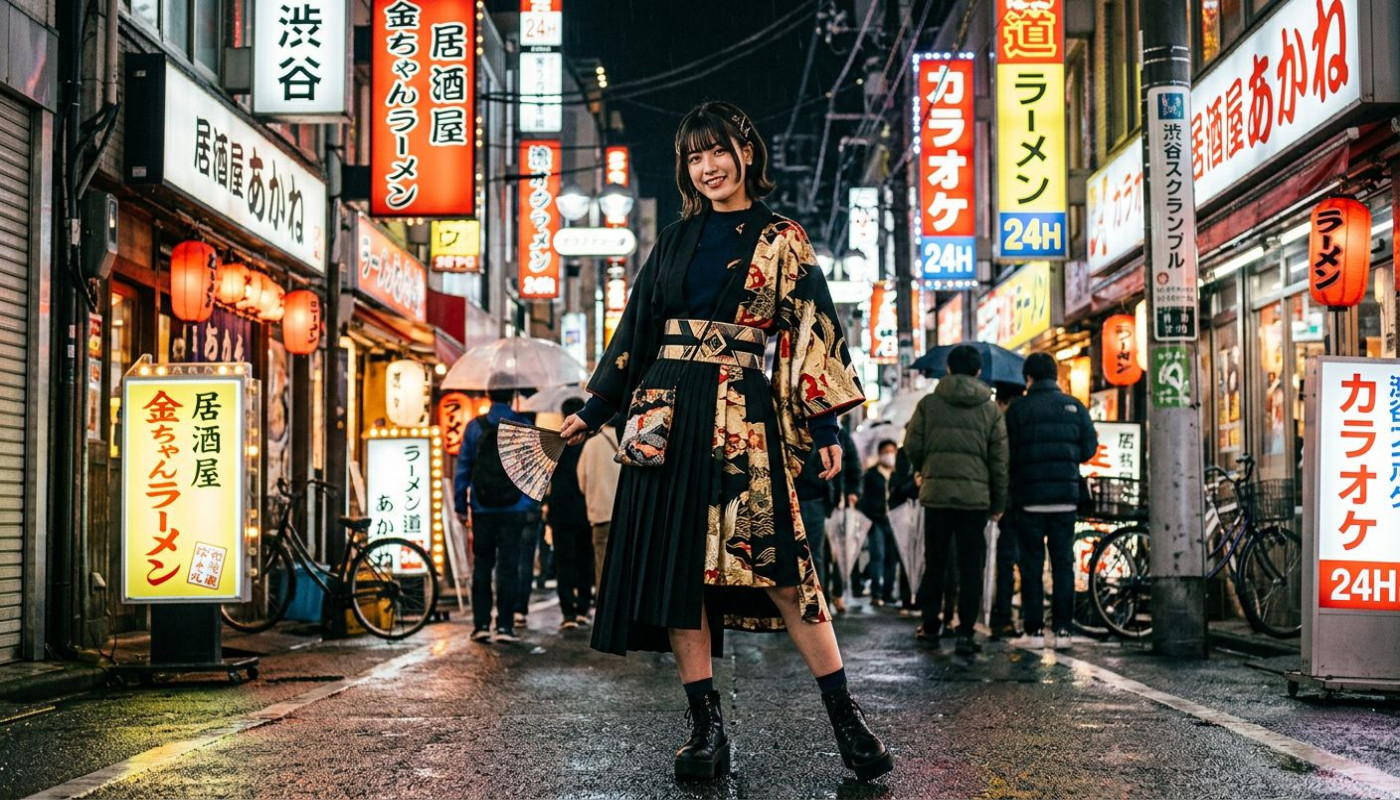
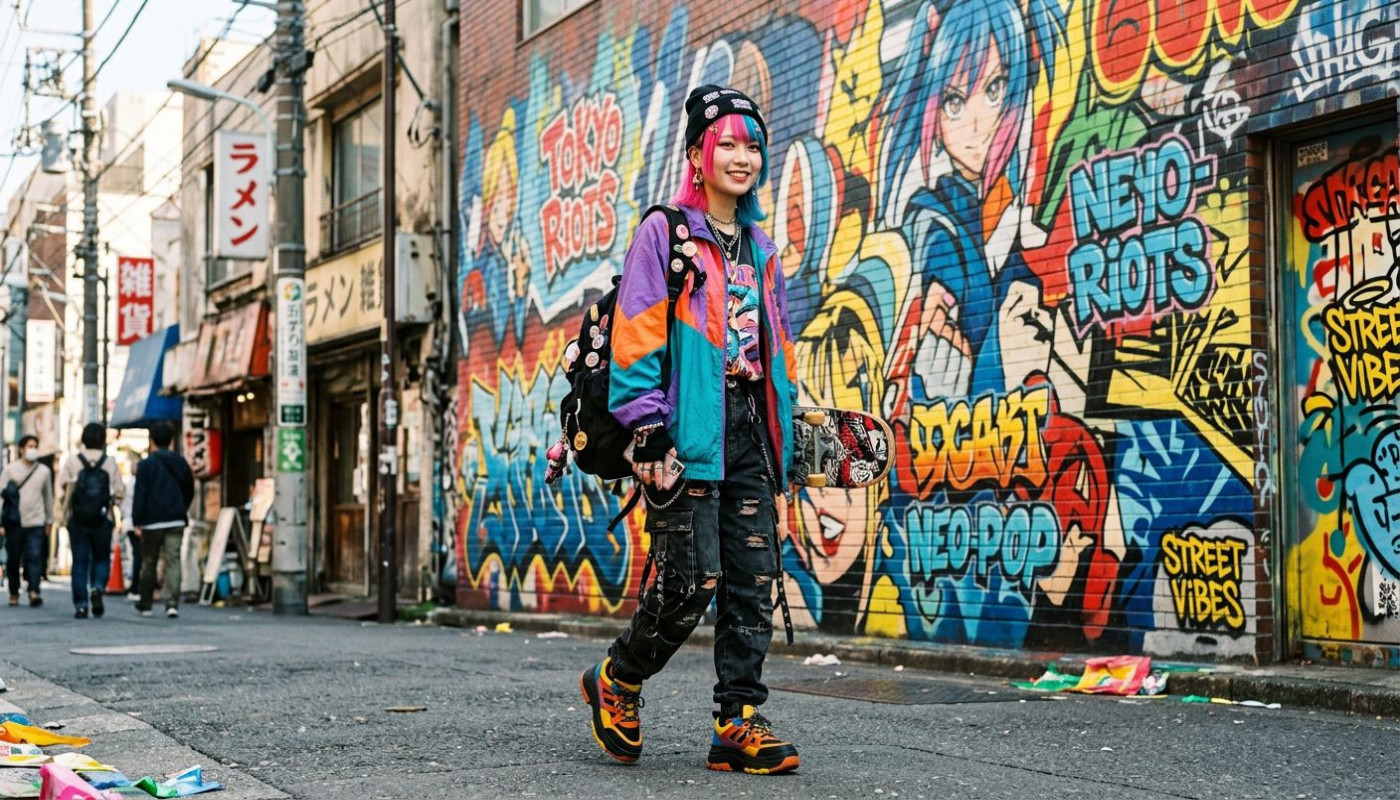
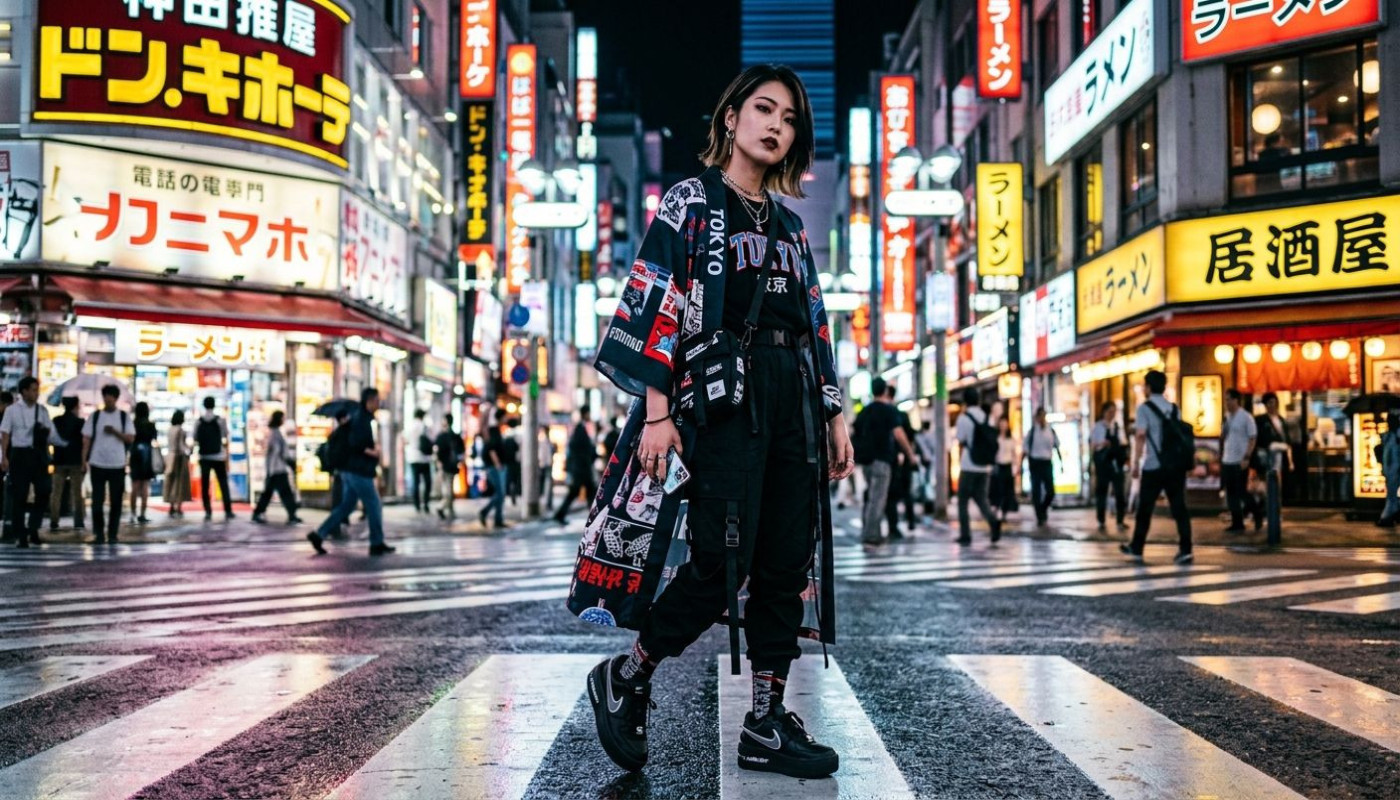
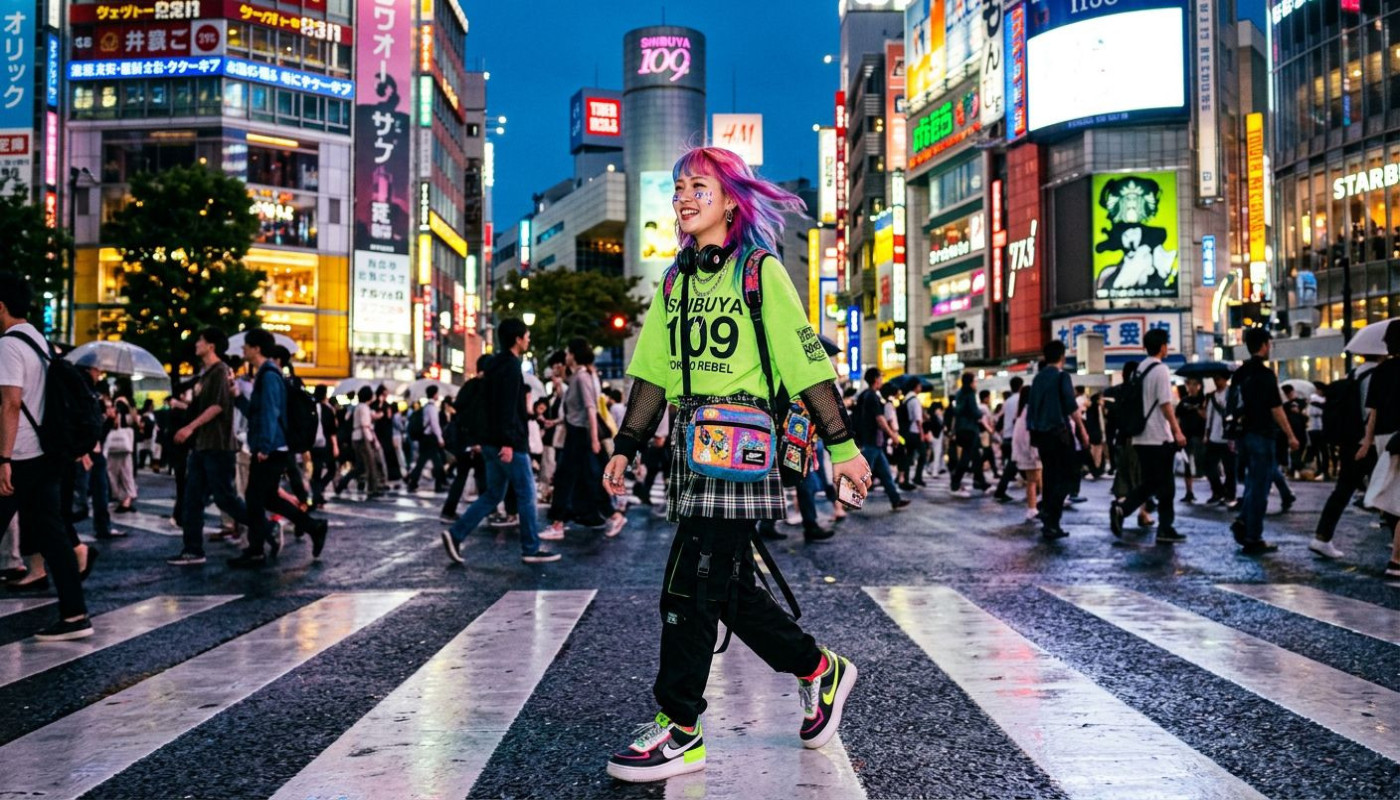
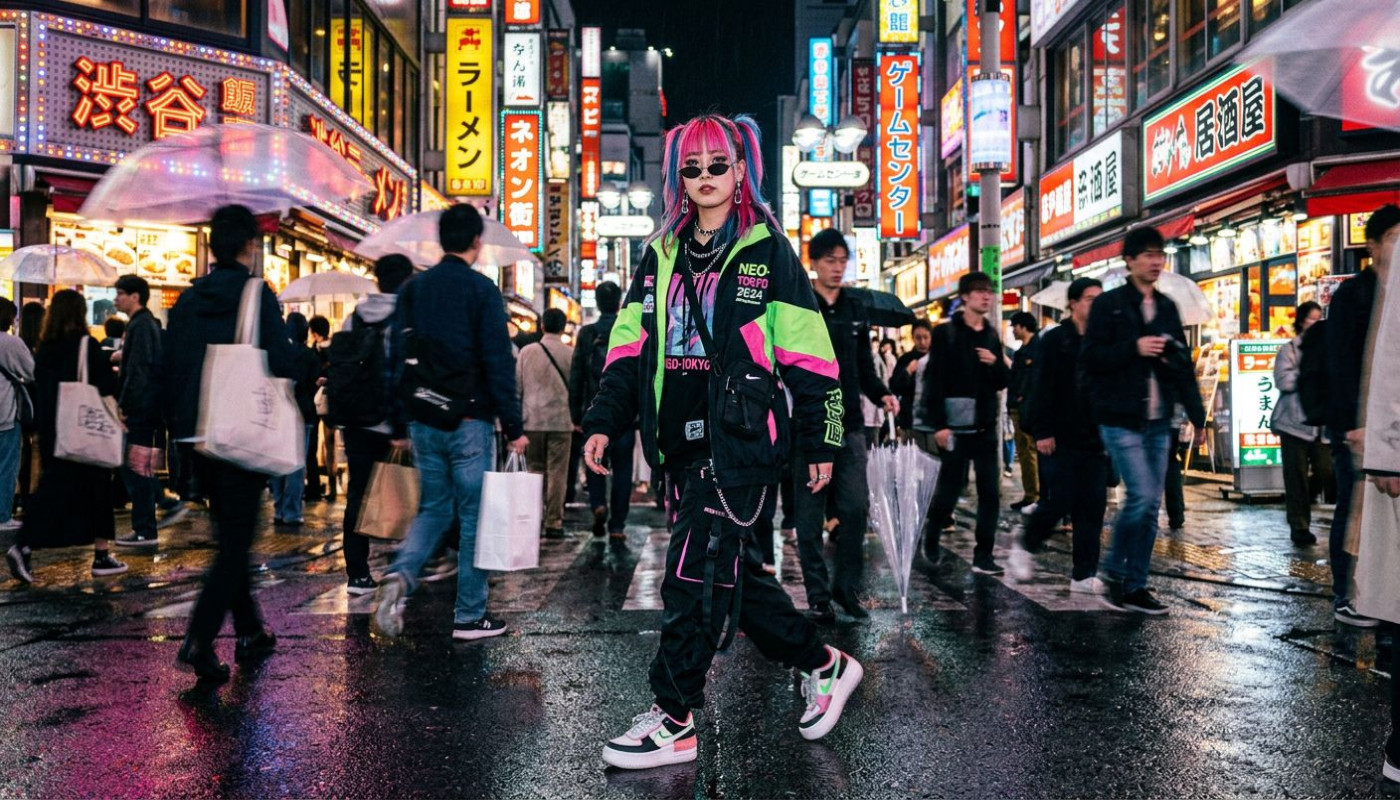
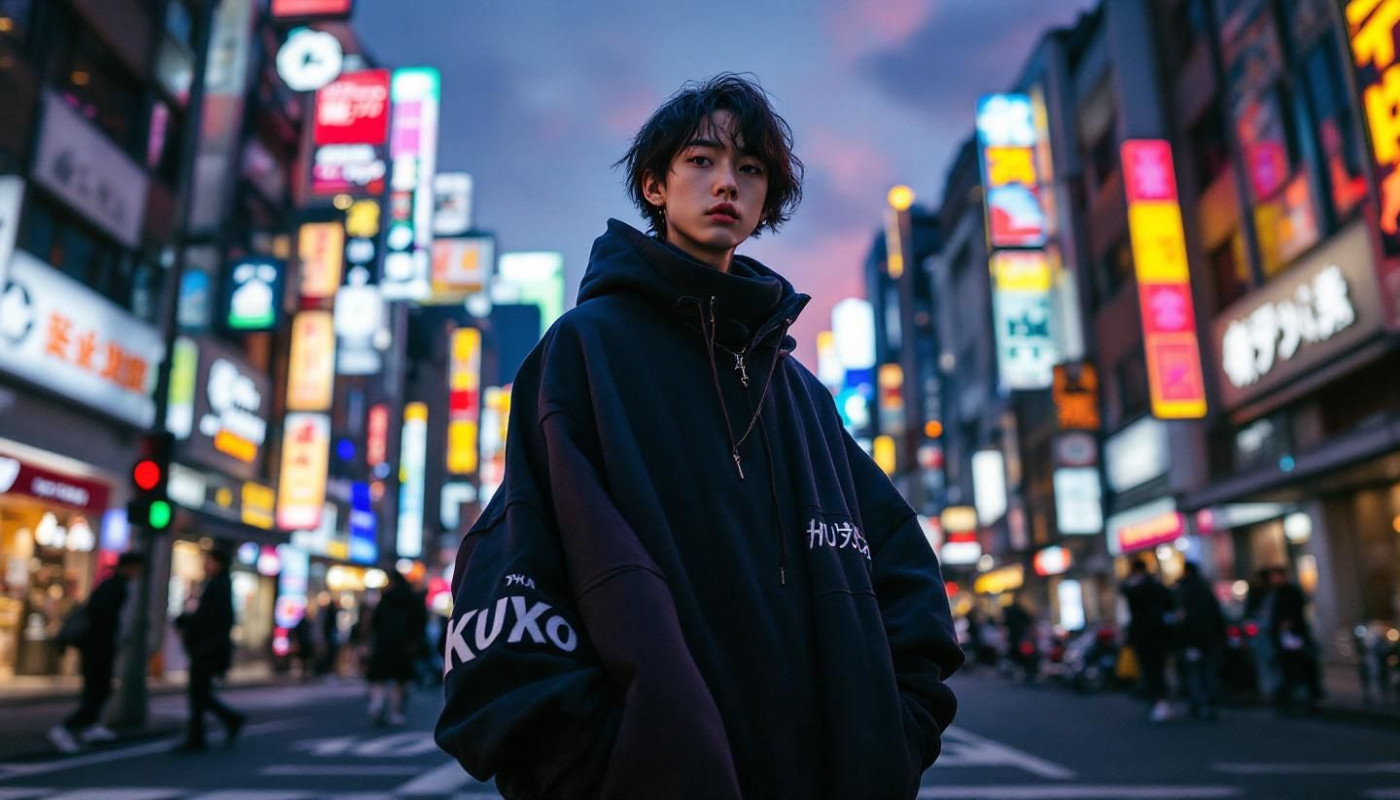
Japanese streetwear origins can be traced to the post-war era, when youth began to challenge social conventions and traditional dress codes. Influenced by a surge of Western imports and pop culture, young people in Tokyo gravitated towards styles inspired by American military wear, skate culture, and hip-hop, crafting their own distinctive interpretations. This period saw the rise of various subcultures, each with unique dress codes and attitudes, contributing to the dynamic landscape of youth fashion history in Japan. Urban fashion Japan thrived in districts like Harajuku and Shibuya, where creative individuals experimented with layering, bold graphics, and DIY customization, establishing Tokyo style evolution as a global reference point.
The interplay between global trends and local sensibilities fostered a new wave of street culture that was both outward-looking and uniquely Japanese. Early pioneers in the movement adapted imported styles to suit their own tastes, resulting in an eclectic blend that reflected the aspirations and anxieties of urban youth. This environment nurtured the development of innovative brands and designers who emphasized individuality, craftsmanship, and subtle references to Japanese traditions. As streetwear matured, it became a powerful form of self-expression and cultural identity, shaping not only fashion but also music, art, and the everyday experience of Japan's urban centers.
Influences shaping streetwear aesthetics
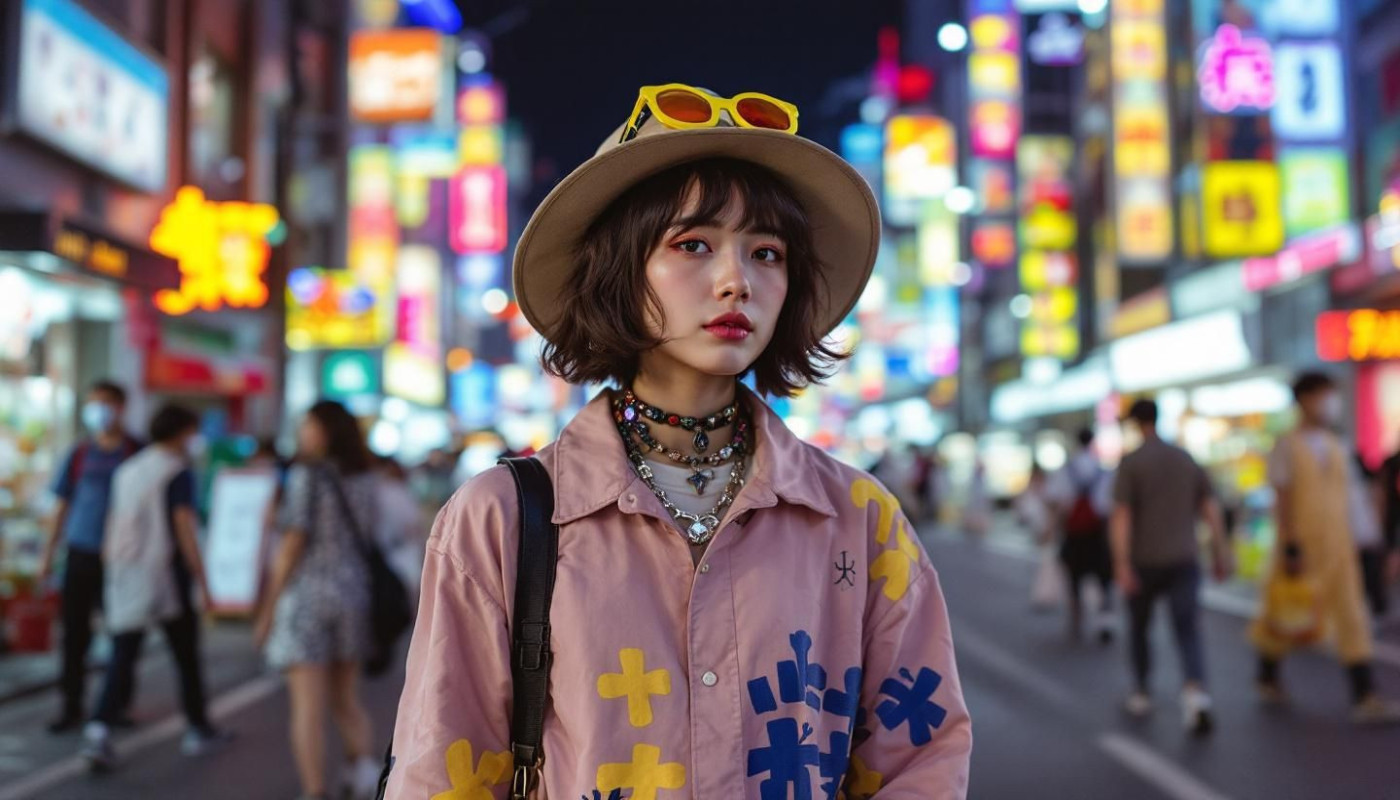
Japanese streetwear influences are deeply rooted in a dynamic interplay of cultural, artistic, and social factors that give rise to a unique streetwear Japan scene. Pop culture in fashion plays a pivotal role, with motifs from anime, manga, and J-pop music frequently appearing in designs, shaping both visual language and attitude. These pop culture icons merge seamlessly with traditional Japanese aesthetics such as wabi-sabi, ukiyo-e prints, and kimono silhouettes, fostering a fashion fusion that bridges past and present. Local youth subcultures, including Harajuku and Shibuya styles, contribute to this mix, each bringing distinct motifs and styling cues that echo the innovative spirit of Tokyo’s streets.
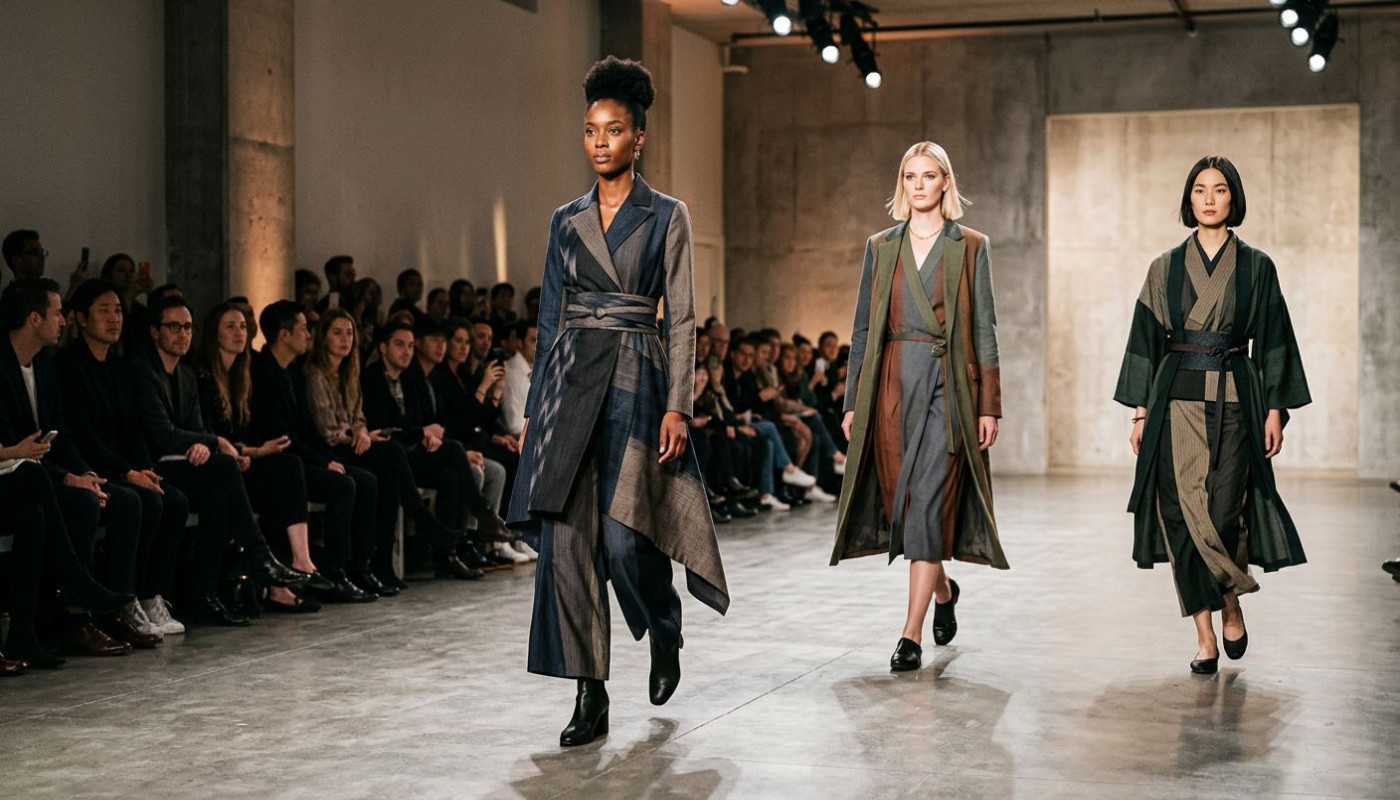
Avant-garde designers like Rei Kawakubo and Yohji Yamamoto have further propelled unique streetwear Japan onto the global stage by challenging conventional silhouettes and playing with deconstruction, abstraction, and layering. Their experimental approaches are often adopted by streetwear brands, infusing the scene with a sense of artistry and boundary-pushing creativity. Social influences such as post-war Westernization, economic shifts, and digital connectivity have also shaped global fashion trends, leading Japanese streetwear to become a worldwide reference for originality. This continuous blend of local traditions, pop culture, and cutting-edge design cements Japanese streetwear as an innovative force that resonates far beyond its place of origin.
The role of community and collaboration
The Japanese fashion community plays a transformative role in streetwear, relying heavily on synergy created through grassroots fashion movements, creative collectives, and streetwear collaboration Japan. Urban areas such as Harajuku serve as incubators for both established and emerging talents, where designer partnerships Japan flourish not only for commercial gain but also as authentic expressions of shared culture. The exchange of ideas within these networks leads to innovation, as designers and brands frequently join forces with artists, musicians, and independent labels, resulting in collections that reflect a fusion of diverse influences. Events organized by these communities, such as pop-up shops and underground exhibitions, further solidify their impact by providing platforms for interactive engagement and the real-time testing of new trends.
The rise of Japanese streetwear has been fueled by the willingness of its participants to collaborate outside traditional industry boundaries. Creative collectives often act as cultural hubs, where the boundaries between designer, consumer, and enthusiast blur, encouraging a cycle of inspiration and feedback. This interconnectedness not only sustains the movement but ensures its continuous evolution and relevance. For those looking to immerse themselves in the world of Japanese streetwear or to explore unique designer collaborations, learn more provides insights and access to the latest collections and events shaping the scene.
The impact on global fashion
Japanese streetwear global impact has been profound, serving as a catalyst for cross-pollination within international fashion trends. Brands such as A Bathing Ape, Comme des Garçons, and UNDERCOVER have reached iconic status, demonstrating how fashion influence Japan extends far beyond its borders. Designers worldwide have drawn inspiration from Japanese style influence, blending bold graphics, layered silhouettes, and a fusion of traditional and modern elements into their collections. This cross-pollination has not only refreshed creative approaches but has also contributed to a broader acceptance of streetwear worldwide as a legitimate pillar of high fashion.
International fashion trends have been notably reshaped by the inventive spirit of Japanese streetwear. Through collaborations with global luxury houses, Japanese labels have pushed the boundaries of what streetwear can represent, introducing an experimental ethos and meticulous attention to detail. The ability to seamlessly incorporate cultural references, subcultural codes, and avant-garde aesthetics has set a new standard for designers aiming to capture the evolving tastes of a global audience. As a result, many Western fashion houses now regularly look to Japan for inspiration, seeking to tap into the authenticity and originality that characterize Japanese streetwear.
Streetwear worldwide continues to crave the innovative edge provided by fashion influence Japan, as seen through the persistent popularity of Japanese brands at international fashion weeks and in global retail markets. The movement’s emphasis on personal expression, quality craftsmanship, and subcultural storytelling has resonated with fashion enthusiasts and industry leaders alike. In sum, the Japanese style influence has left an indelible mark, fundamentally altering the trajectory of fashion and ensuring that cross-pollination between Japanese streetwear and global fashion remains a dynamic force shaping the industry’s future.
Future directions of Japanese streetwear
The future Japanese streetwear landscape promises fascinating disruption, driven by rapid technological advancement and the increasing demand for sustainable fashion Japan. Digital fabrication methods, such as 3D printing and smart textiles, are expected to play a transformative role in how garments are conceived, manufactured, and customized, encouraging brands to push the boundaries of innovation in fashion. Simultaneously, a rising generation of eco-conscious consumers is demanding transparency and ethical practices, compelling designers and labels to rethink sourcing, production, and lifecycle management, making sustainable fashion Japan not just a trend but a core element of brand identity.
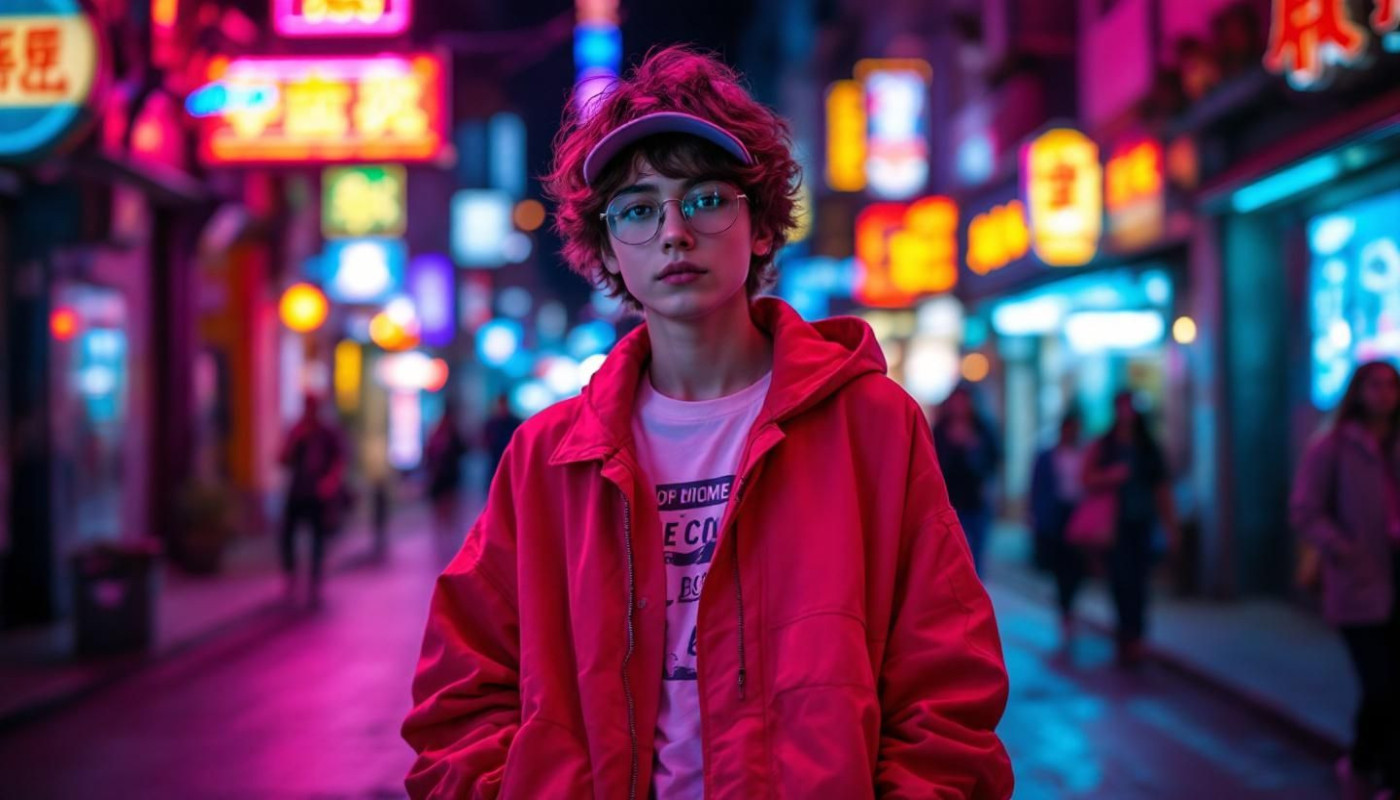
Streetwear trends Japan are also shifting as the next generation streetwear enthusiasts bring new values and tastes to the scene, blending digital-native sensibilities with a reverence for traditional craftsmanship. Collaborations between tech companies and fashion houses are likely to increase, resulting in smart apparel that integrates wearable technology, augmented reality experiences, and blockchain-based authentication. These collaborations could redefine how exclusivity and community are perceived within the culture, offering fresh pathways for both established icons and emerging talent.
Despite these opportunities, the evolution of streetwear in Japan faces notable challenges. As competition intensifies and the market becomes increasingly globalized, maintaining cultural authenticity while appealing to international audiences will require delicate balance. Regulatory and environmental pressures may complicate the widespread adoption of some innovative practices, forcing brands to continuously adapt. Nonetheless, the relentless spirit of experimentation and the embrace of disruption position Japanese streetwear at the forefront of global street fashion, poised to shape tomorrow's standards in both creativity and responsibility.
Similar articles