Table of contents
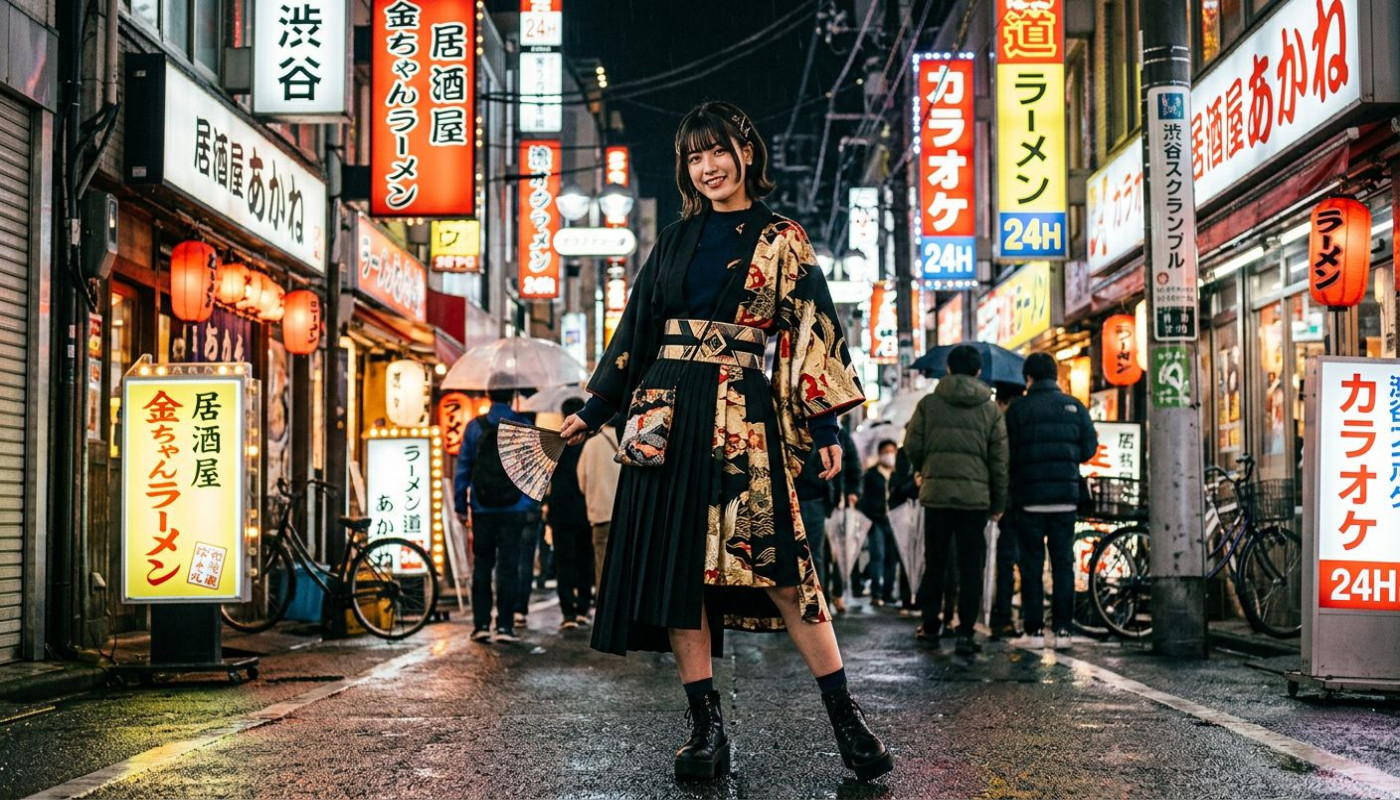
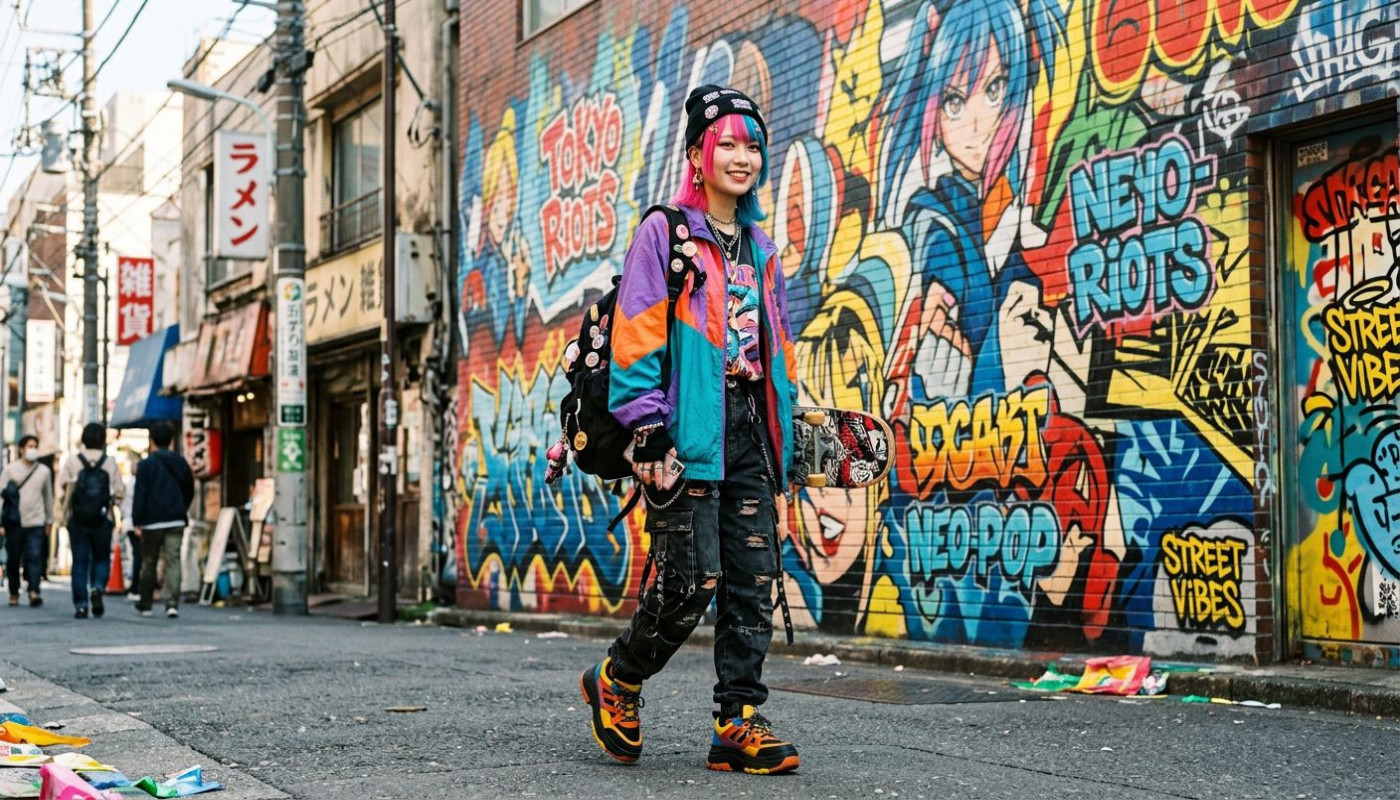
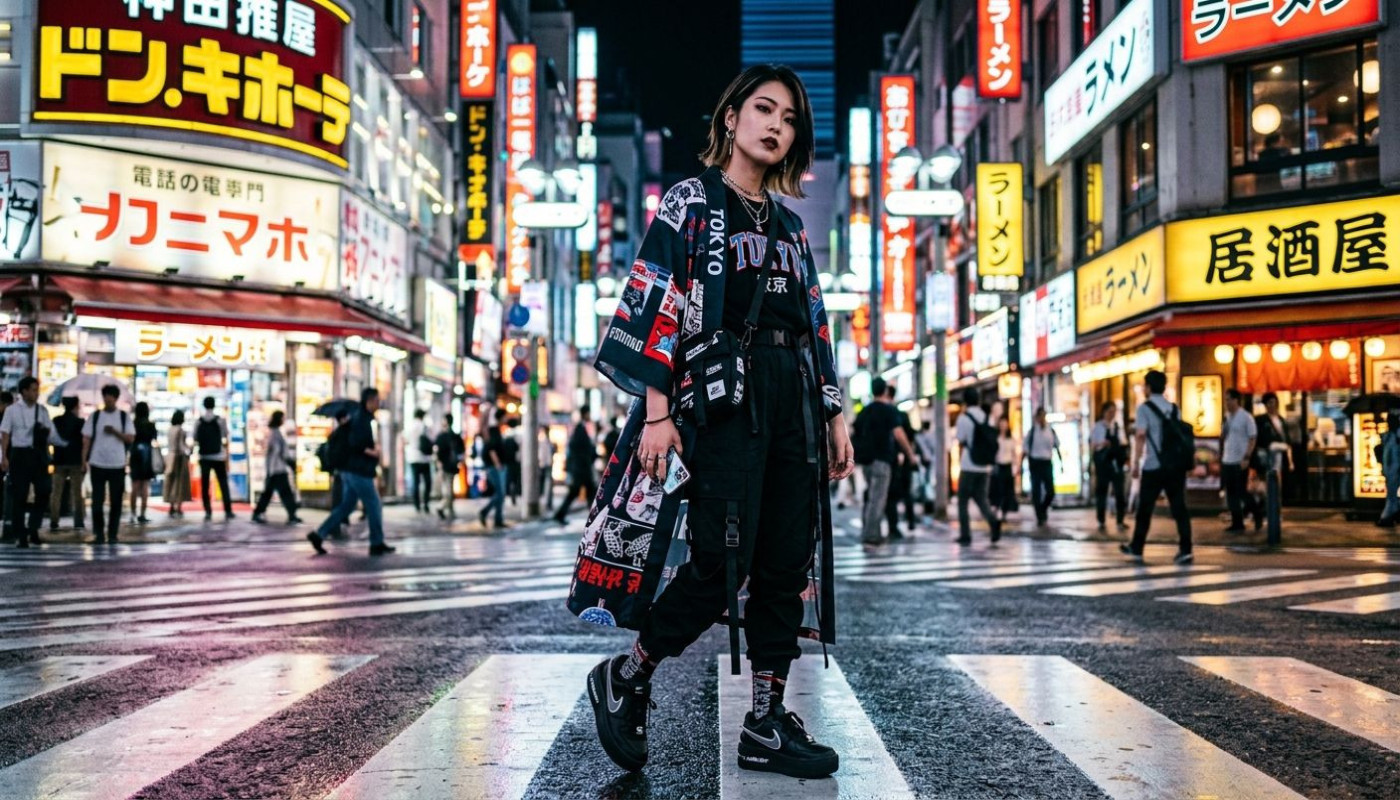
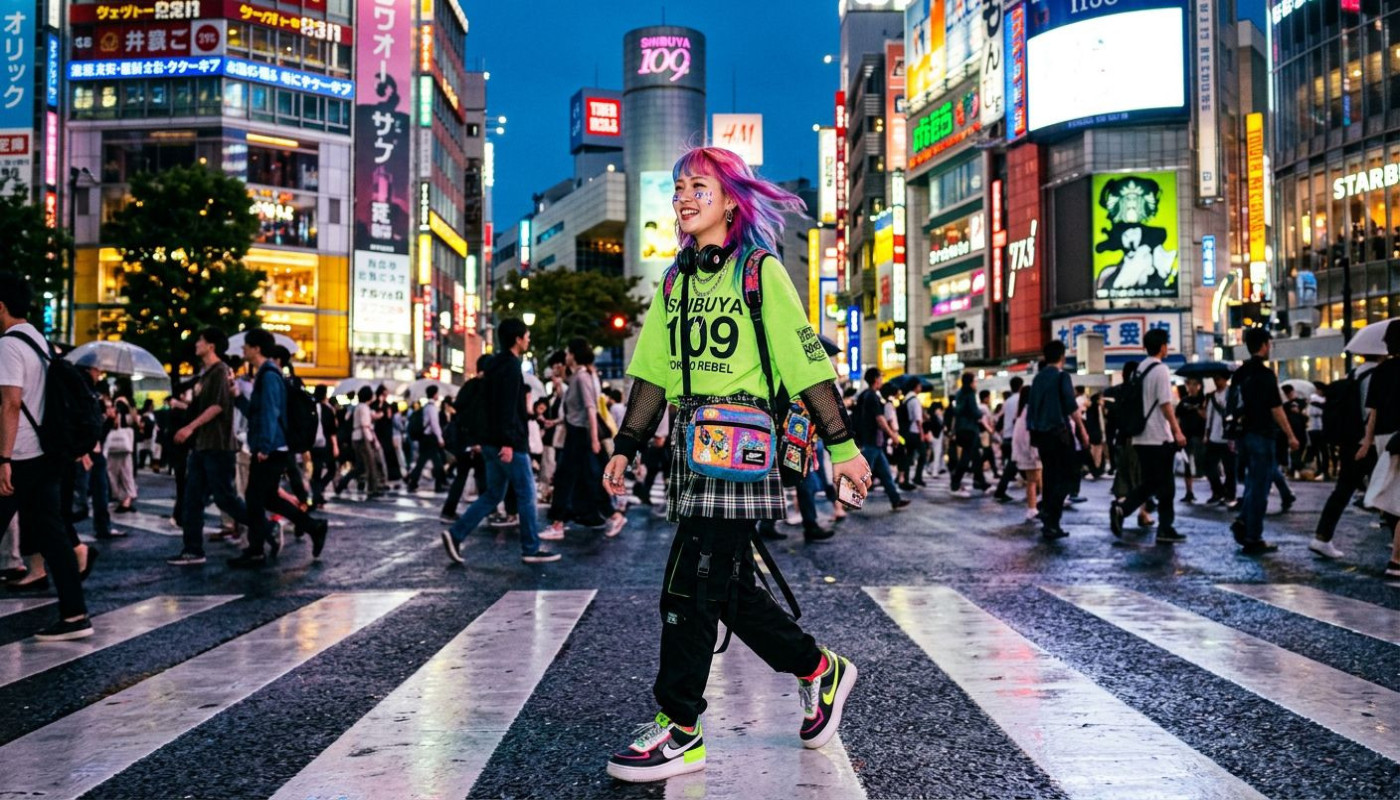
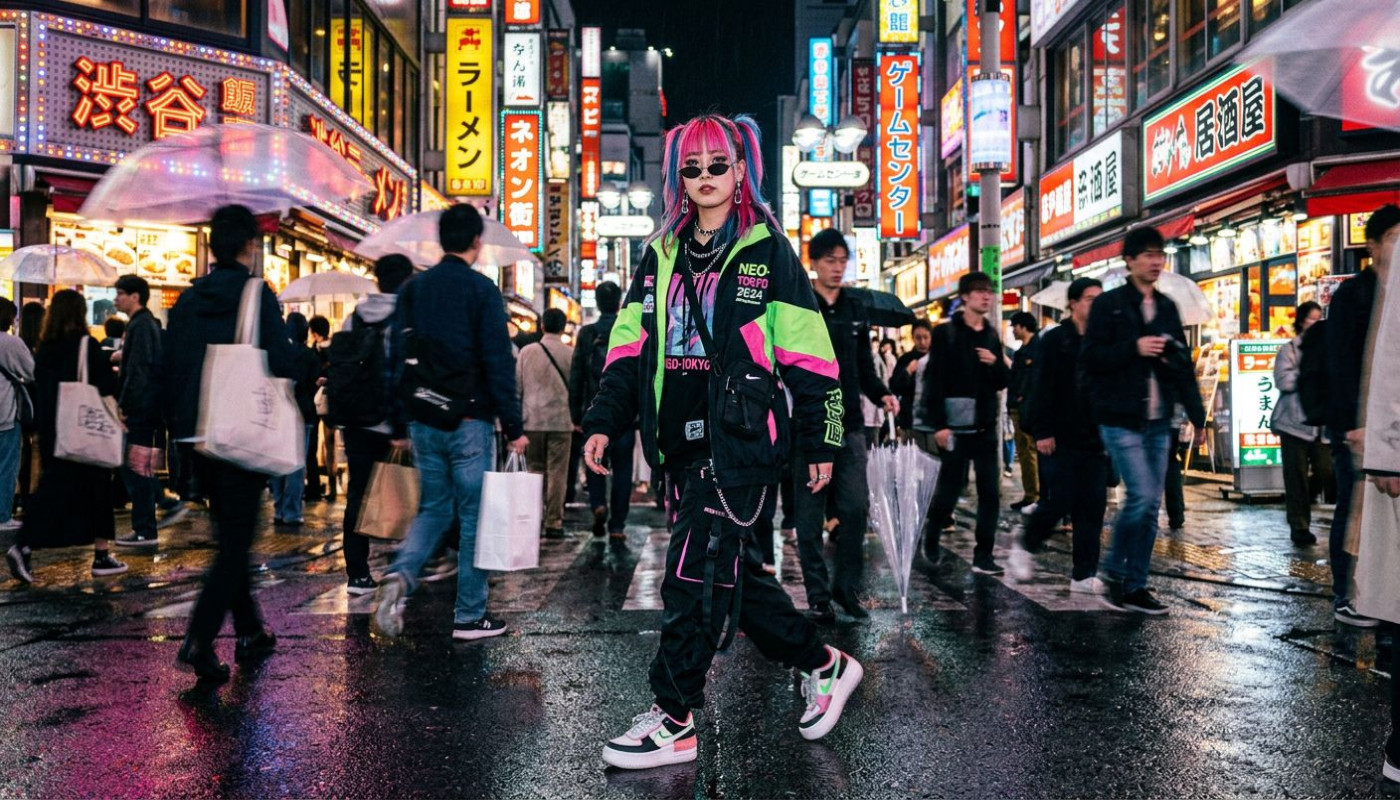
Japanese street fashion has long captivated style enthusiasts with its bold colors, unexpected combinations, and expressive individuality. Beyond the glossy pages of magazines and the bustling streets of Tokyo, many wonder if these looks truly belong in the rhythms of daily life. Explore the layers of Japanese street fashion and uncover whether its vibrant spirit can seamlessly transition into everyday wear in the following sections.
Everyday practicality
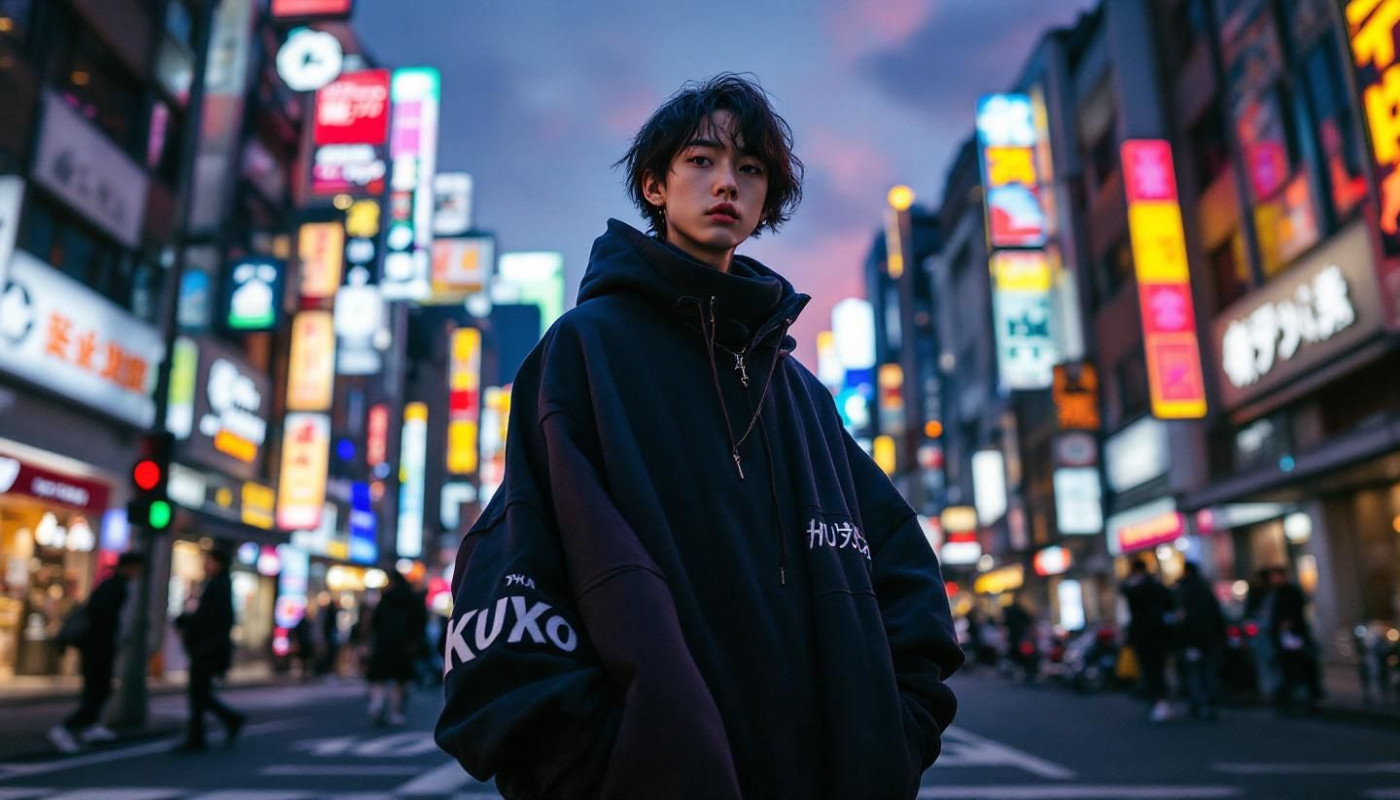
Japanese street fashion stands out for its bold patterns, layered outfits, and creative accessories, which makes it visually striking but raises questions about its functionality in a daily routine. For individuals commuting through busy city environments, working in professional settings, or participating in casual social gatherings, the practicality of japanese street fashion depends largely on the specific styles chosen. Oversized garments and intricate detailing may not always align with workplace dress codes or the need for comfort during long periods of movement. However, many elements, such as unique jackets, comfortable sneakers, and versatile layering, can easily be integrated as everyday wear, especially for those who want to express individuality while maintaining comfort.
For those considering how to adapt these trends, focusing on functionality is key. Incorporating select pieces or toned-down versions can bring a touch of japanese street fashion into a modern lifestyle without compromising mobility or appropriateness. The versatility of certain street fashion staples, like relaxed-fit pants or statement outerwear, fits well into daily routines, especially in creative or casual work environments. Interested readers looking to explore specific examples or find inspiration tailored to their daily needs can read more at japan-clothing.com, where a wide range of styles and ideas is provided.
Comfort versus creativity
Japanese street style is renowned for its bold creative expression, often featuring eclectic silhouettes, vivid colors, and unique layering techniques. While such visual flair defines fashion trends in districts like Harajuku and Shibuya, practicality becomes a key consideration when these outfits transition into everyday environments. Ergonomics plays a significant role in how wearers balance comfort with aesthetic appeal, especially outside fashion-forward neighborhoods where walking, commuting, and daily tasks demand functional clothing. Many enthusiasts opt for breathable cotton, flexible knits, and lightweight synthetics, ensuring that even elaborate ensembles retain comfort for extended wear. Strategic layering, a signature of japanese street style, allows individuals to adjust insulation and mobility throughout the day, accommodating both weather changes and varying activity levels. Oversized fits and adjustable elements further contribute to comfort, enabling expressive outfits that don't restrict movement or compromise on ease. As a result, the evolution of japanese street style continues to prioritize both ergonomic comfort and creative expression, making it accessible for those seeking fashionable yet wearable looks in daily life.
Social perception and acceptance
Japanese fashion, particularly its vibrant street style, invites a range of responses depending on the cultural context in which it is worn. Within Japan, street fashion in districts like Harajuku stands as a powerful symbol of self-expression, offering a creative outlet that gently pushes against traditional cultural norms. While younger generations may embrace these styles enthusiastically, mainstream Japanese society can sometimes view bold street outfits as unconventional, highlighting the ongoing negotiation between individuality and conformity. Social acceptance of such fashion is closely linked to cultural adaptation; in urban centers, daring looks are more readily tolerated, while conservative settings may expect subtler attire.
When Japanese street style is adopted abroad, its reception varies significantly by local attitudes toward nonconformity and fashion diversity. In cosmopolitan cities, experimental clothing from Japan can spark admiration and signal trend awareness, yet in more traditional communities, it may draw attention or even skepticism. The interplay between social acceptance and self-expression thus shapes whether Japanese fashion can seamlessly fit into everyday wear. Ultimately, cultural adaptation plays a pivotal role, as individuals navigate societal boundaries to express their identities through clothing while gauging the prevailing norms of their environment.
Adapting to local climates
Japanese clothing, especially in street fashion, demonstrates a high degree of climate responsiveness, making seasonal adaptation both creative and practical. Given that Japanese street fashion often features lightweight fabrics, bold layers, and accessories, it is especially versatile when transitioning between varying weather conditions. In warmer regions, breathable materials like cotton or linen can be prioritized, while in colder climates, layering techniques become fundamental. For example, pairing oversized jackets, thermal underlayers, or incorporating insulated accessories ensures comfort and style even in winter months. Street fashion allows wearers to adjust the number and thickness of layers, making it an adaptable choice for temperate fluctuations. By considering local weather patterns and selecting appropriate materials, enthusiasts can embrace Japanese street fashion as suitable everyday wear across diverse climates.
Experienced textile designers recommend focusing on modular outfits that can be easily modified throughout the day. This includes removable outerwear, multi-purpose scarves, and weather-resistant footwear, all of which enhance climate responsiveness in japanese clothing. Seasonal adaptation is further supported by choosing water-repellent coatings for rainy conditions or UV-protective fabrics for sunny locales. Such thoughtful selection of garments and layering techniques enables individuals to maintain the visual impact of street fashion while staying comfortable and protected. Ultimately, integrating climate-responsive elements into streetwear not only maintains its aesthetic appeal but also aligns practicality with personal expression, making it a viable choice worldwide.
Integrating trends with personal style
Japanese street fashion is renowned for its bold colors, unexpected layering, and diverse influences, making it a fascinating source of inspiration for those eager to elevate their personal style. A leading image consultant would recommend a technique known as style synthesis, where trend integration is thoughtfully balanced with wardrobe tips tailored to self-expression. Begin by identifying elements of japanese street fashion that resonate with your personality—perhaps a statement accessory or a signature silhouette—then blend these items with your current favorites to maintain a sense of individuality. For instance, pairing a graphic oversized tee with classic denim or adding unique sneakers to a minimalist outfit allows for a seamless introduction of new trends without overwhelming your look. Building fashion confidence comes from experimenting with proportions, colors, and textures in small doses, gradually increasing your comfort level as you notice which combinations feel authentic. By approaching trend integration as an exploration rather than a complete transformation, your wardrobe evolves in a way that reflects both your admiration for japanese street fashion and your unique personal style.
Similar articles