Table of contents
Unlock the charm of Japanese fashion by blending traditional outfits with contemporary trends. This guide reveals creative ways to incorporate iconic Japanese garments into everyday wear, ensuring a unique and stylish statement. Explore the following paragraphs for practical advice and inspiration to master this harmonious fusion.
Blending kimono with daily wear
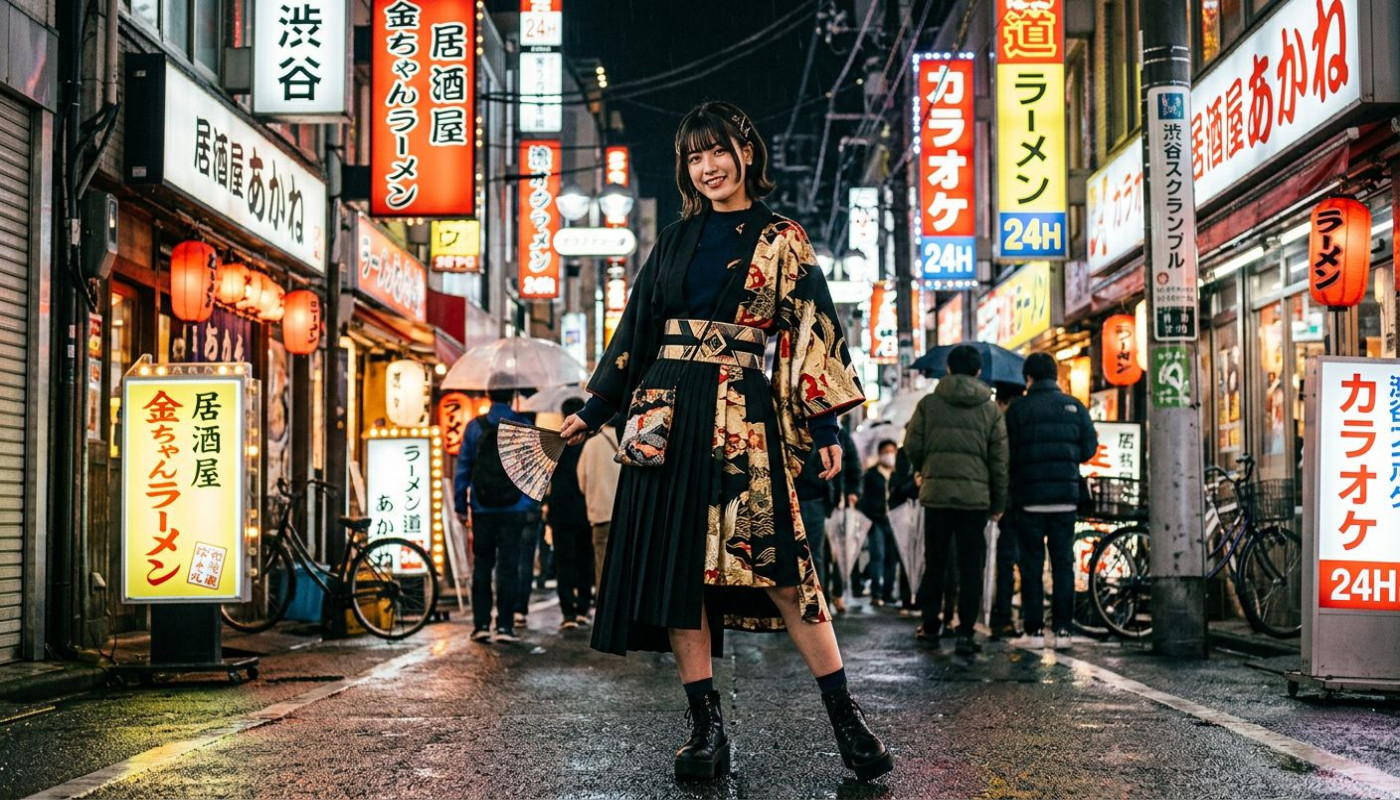
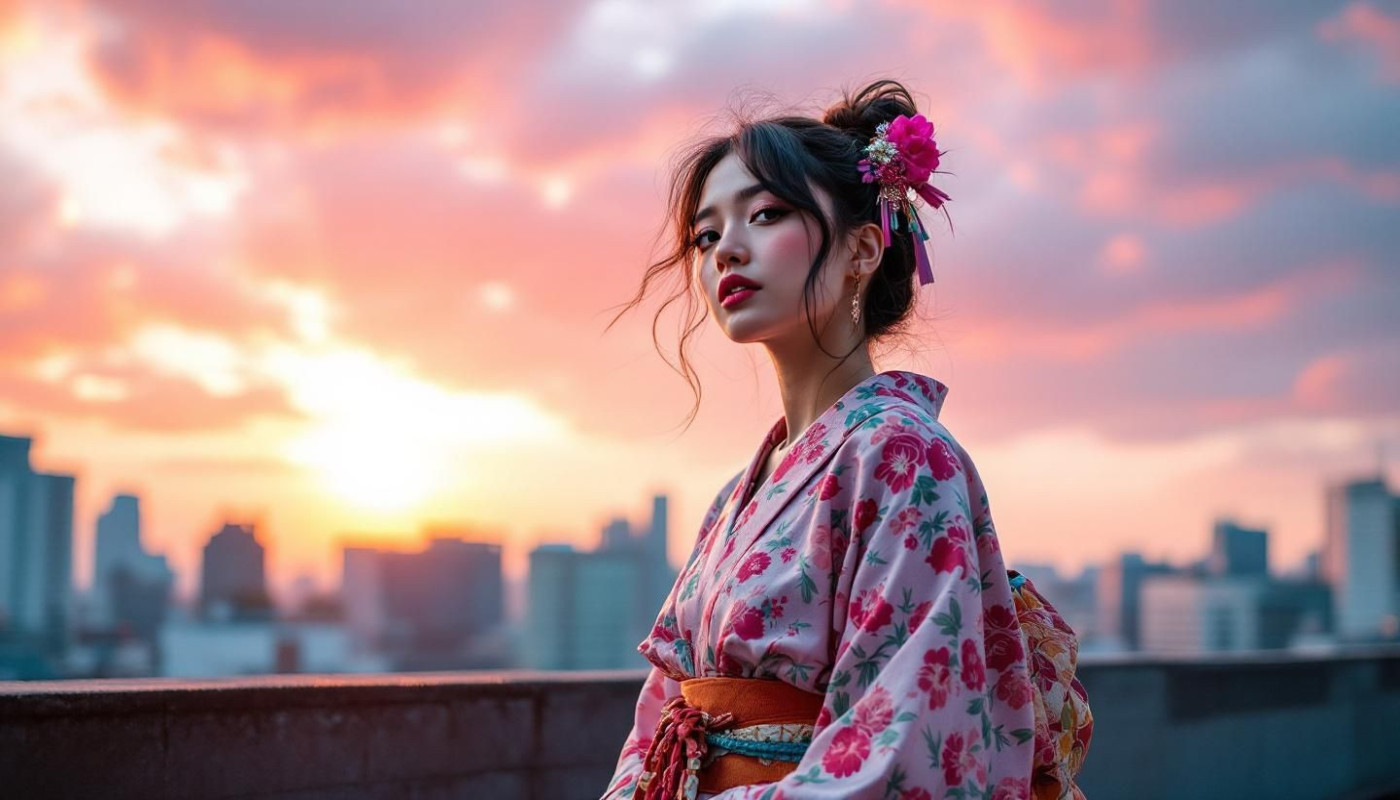
The kimono showcases remarkable versatility, making it a standout choice for those interested in kimono fusion and modern Japanese fashion. When integrating this traditional clothing mix into daily or professional outfits, consider pairing a shorter kimono jacket—known as a haori—with denim, tailored trousers, or even a crisp blouse for a subtle yet striking effect. Layering plays a significant role in achieving successful kimono styling tips: lightweight cotton or silk kimonos work well for spring and summer, while heavier fabrics like wool suit cooler months. Selecting the right obi is key; a thin and understated obi complements casual attire and avoids overwhelming the look. Japanese street style enthusiasts frequently experiment with unexpected fabric combinations and accessories, making the kimono a canvas for personal expression. Choose occasions thoughtfully—subdued patterns and colors are ideal for office environments, whereas bold prints shine at social gatherings or creative settings, seamlessly merging history with contemporary flair.
Haori jackets as urban outerwear
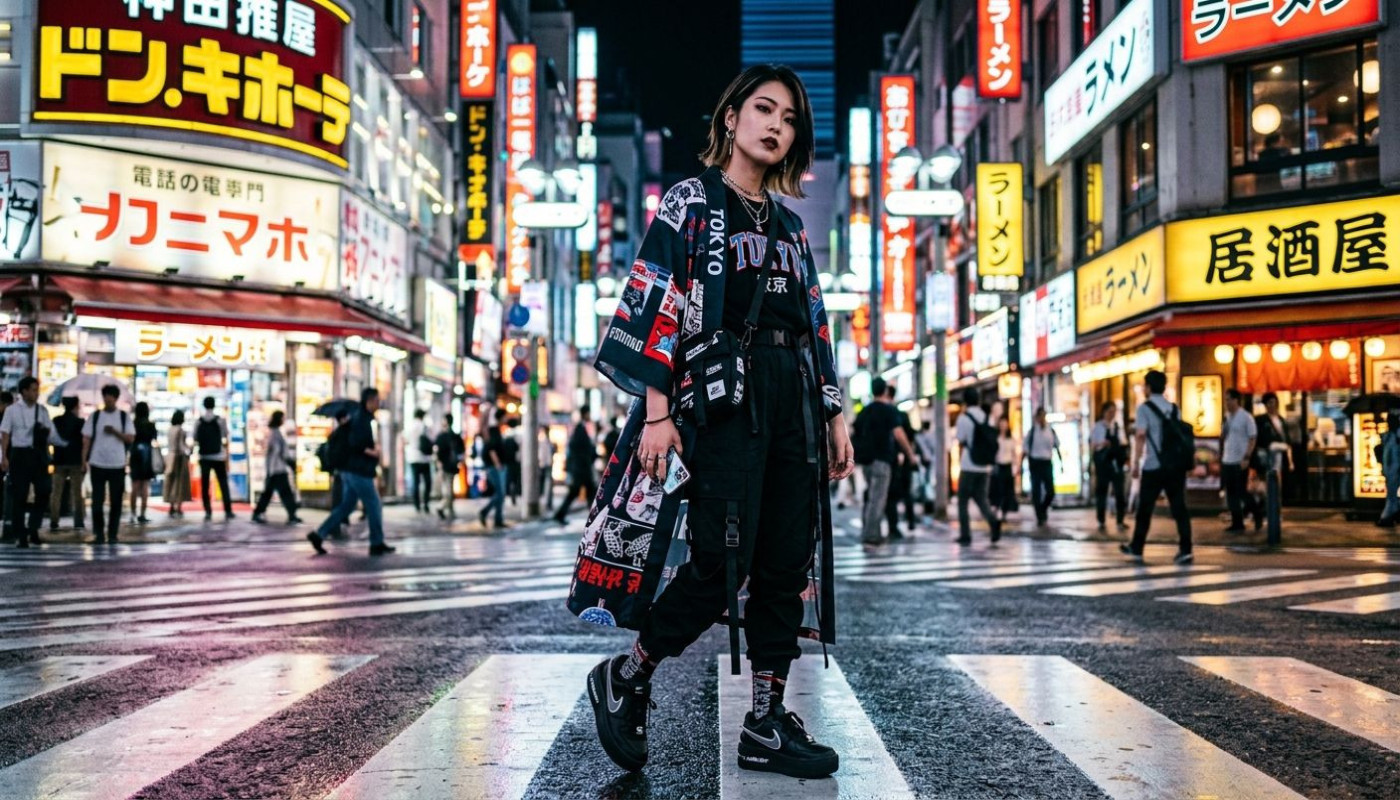
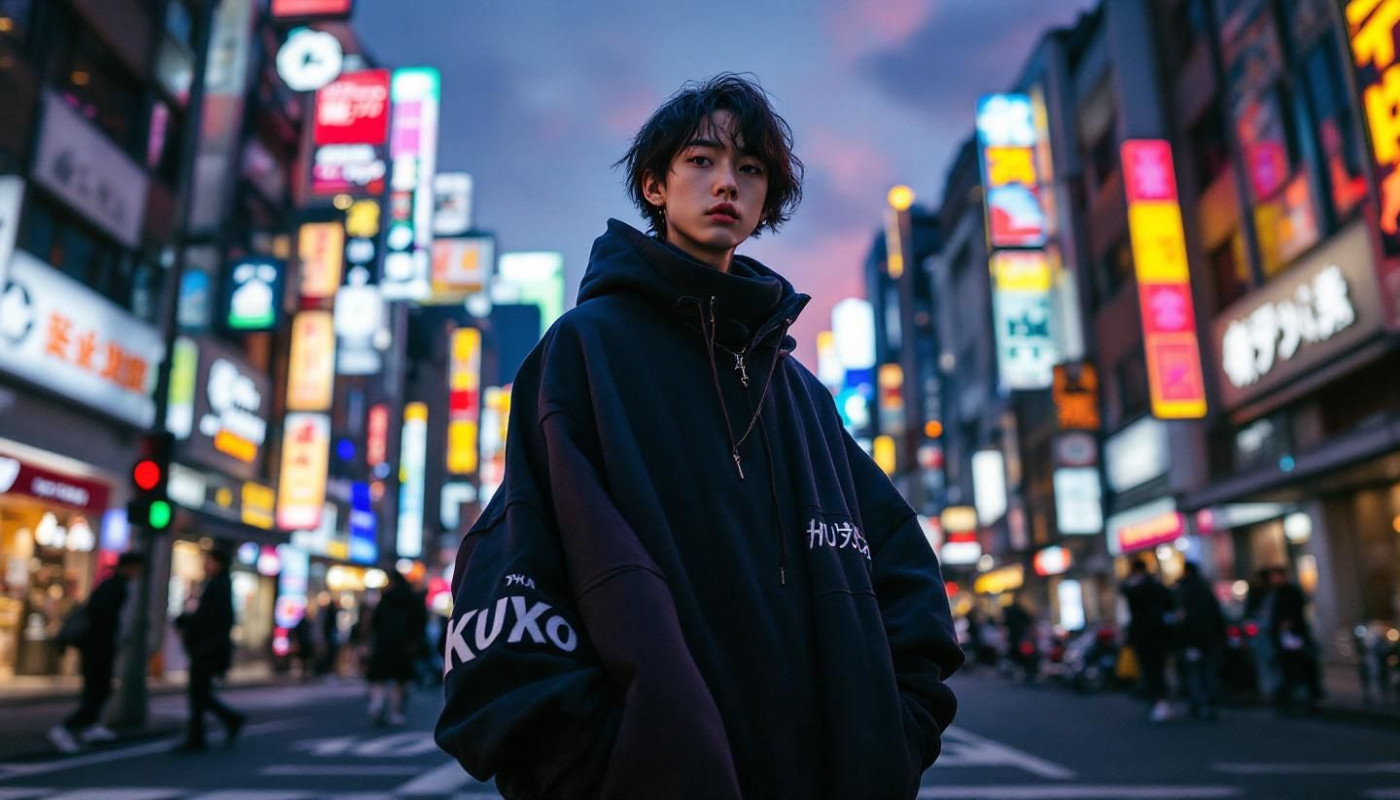
Haori, the iconic short jacket traditionally worn over kimono, has seamlessly entered the world of urban Japanese fashion as a sought-after outerwear option. In many contemporary cities, haori streetwear is embraced for its versatility and ability to blend heritage with current Japanese outerwear trends. The modern reinterpretation often focuses on integrating luxurious fabrics, graphic prints, and updated silhouettes, while still honoring the garment’s historical roots. Sode, the technical term for the sleeve style of a haori, is frequently highlighted in these urban adaptations, either with exaggerated proportions or with subtle tailoring for a more minimalist effect.
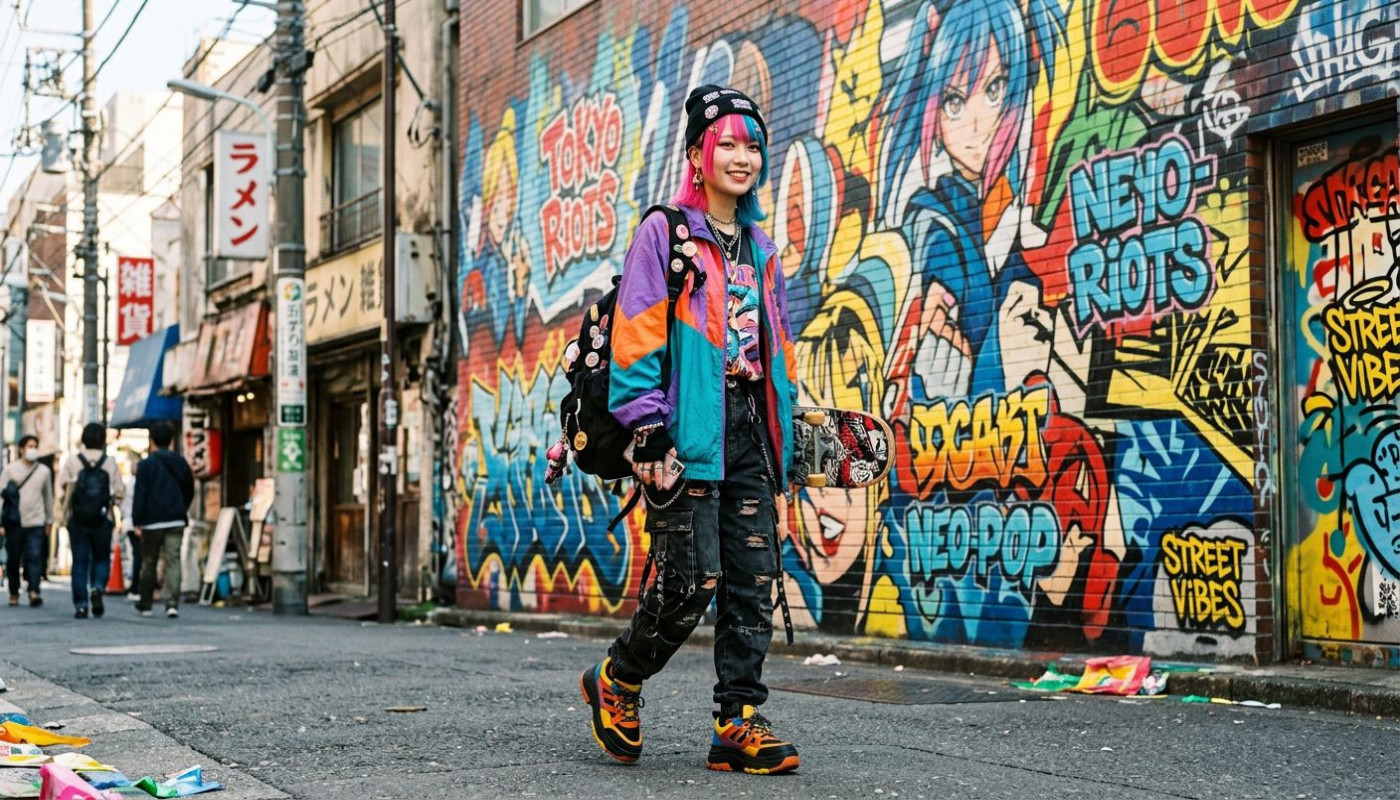
To mix haori modern and achieve a balanced look, styling options range from pairing the jacket with slim denim, wide-legged trousers, or even athleisure-inspired track pants. The versatility of haori jacket styling allows wearers to experiment with layering: it can be thrown over a crisp white shirt for a polished appearance or combined with graphic tees to echo streetwear aesthetics. For footwear, sneakers or leather boots complement the haori’s relaxed yet structured form, making it suitable for various city environments and lifestyles. Seasonality also plays a role; lightweight cotton or linen haori are ideal for spring and summer, while lined or wool versions provide warmth in cooler months.
Urban Japanese fashion owes much of its dynamic nature to designers who continue to push the boundaries of tradition and innovation. As haori streetwear popularity rises, more fashion enthusiasts look to sites dedicated to authentic style, where they can explore the latest Japanese outerwear trends and find pieces that allow them to express individuality. To discover a range of options and learn how to integrate these garments into everyday wardrobes, go to this site for inspiration and curated collections directly from Japan.
Accessorizing with traditional elements
Blending Japanese accessories such as kanzashi, sensu, and modern tabi socks into everyday wear allows for a unique fusion of heritage and current fashion trends. Japanese accessory artisans, recognized for their mastery, emphasize that kanzashi styling can offer subtle sophistication or bold visual interest, depending on the material and placement within the hair. Sensu fashion, which involves incorporating folding fans as both functional and decorative pieces, can add an unexpected touch to minimalist or layered ensembles. The integration of modern tabi socks, reimagined with contemporary patterns and colors, provides comfort and a nod to traditional details modern look enthusiasts appreciate. Thoughtfully selecting only one or two prominent Japanese accessories at a time helps balance the overall effect, ensuring these traditional elements serve as statement features rather than overwhelming the outfit. For those seeking to experiment, matching the color palette of the accessory with the rest of the attire can create harmony, while contrasting textures will highlight the artistry and cultural significance embedded in each piece.
Achieving harmony with fabric choices
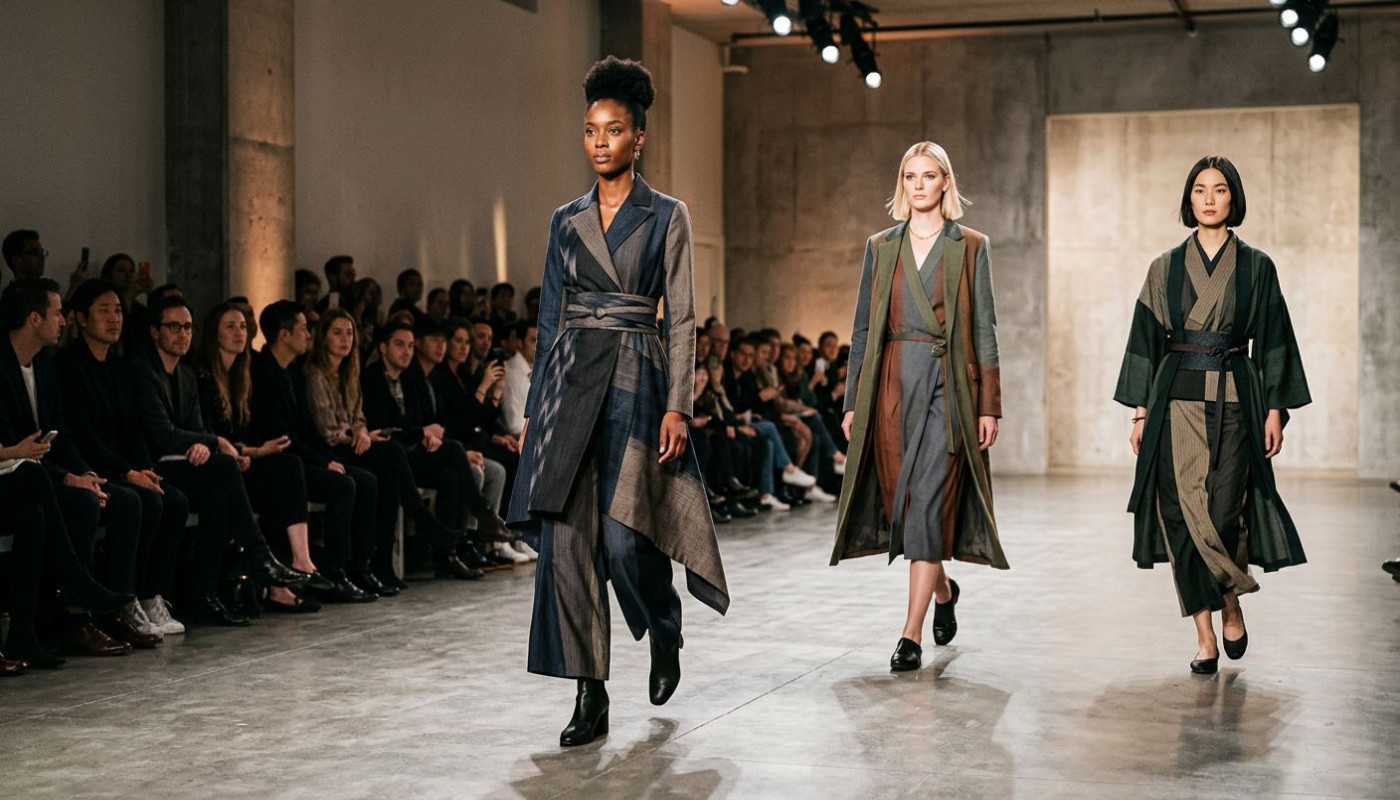
Fabric selection stands at the heart of Japanese fabric mix, as it bridges the gap between timeless tradition and fresh modernity. Traditional Japanese textiles such as chirimen—a crepe fabric once favored for its textured, subtly crimped surface—offer a tactile dimension that distinctly contrasts or complements contemporary materials like denim, jersey, or technical synthetics. When pairing a kimono with modern pieces, consider echoing kimono patterns modern, such as stylized florals or geometric motifs, on accessories or overlays crafted from current fabrics. Opt for seasonally appropriate blends; for example, layer a lightweight linen with a silk chirimen scarf in spring, or introduce wool-blend outerwear with a chirimen-inspired lining during colder months. Textile fusion succeeds when mindful attention is paid to both texture and drape, ensuring that neither the traditional textile outfit nor its modern counterpart dominates the ensemble. Japanese textile experts recommend experimenting by combining cotton or hemp—a staple in traditional summer garments—with polyester or viscose, resulting in modern Japanese materials that feel familiar yet innovative, creating a look that is both balanced and visually engaging.
Understanding cultural context and respect
Exploring Japanese cultural fashion involves recognizing the deep-rooted symbolism and etiquette embedded in traditional attire, such as the kimono. When blending these garments with modern styles, showing traditional clothing respect is crucial, as each piece, fabric, and motif often carries historical and societal significance. For example, the kimono's patterns and colors are not chosen at random; they frequently symbolize seasons, virtues, or family heritage, and certain motifs may be reserved for specific occasions or signify a particular status. Mixing cultures fashion thoughtfully means researching these meanings to avoid unintentional disrespect or inappropriate combinations. Kimono etiquette, such as proper wrapping direction and appropriate accessories, further illustrates the importance of understanding traditional customs before integrating such attire into a contemporary wardrobe. Consulting authoritative resources, such as insights from a Japanese cultural anthropologist, can enrich appreciation and ensure that Japanese symbolism attire is approached with sensitivity and knowledge, fostering both creative expression and cultural honor.
Similar articles