Table of contents
Urban fashion landscapes are vibrant tapestries woven from diverse influences, and traditional motifs have emerged as striking threads in this contemporary fabric. Exploring the interplay between age-old patterns and modern city style reveals a fascinating journey of cultural fusion and creative reinvention. Delve into the nuances of this dynamic relationship to discover how heritage symbols are reshaping the visual language of today’s urban attire.
Origins of traditional motifs
Traditional motifs represent an enduring connection to cultural heritage, reflecting centuries of craftsmanship, belief systems, and artistic innovation. Across continents, motifs such as paisley from Persia, ikat from Southeast Asia, and bold geometric shapes found in African and Native American textiles showcase the rich diversity of pattern design. Each motif carries unique iconography: paisley’s teardrop shape symbolizes fertility and eternity, while ikat’s blurred contours speak to complex weaving techniques that blend artistry with community identity. Geometric symbols often encode meanings related to nature, spirituality, or social structure, serving not just as decoration but as visual language within ethnic communities.
The evolution of these motifs traces a dynamic journey, shaped by migration, trade, and intercultural exchange. For example, the intricate swirls of paisley traveled from ancient Persian shawls to the looms of Scotland, transforming yet retaining their core significance. Ikat patterns, originating independently in regions from Central Asia to Latin America, reveal how similar weaving traditions emerged to address both practical and symbolic needs. As societies changed, these motifs adapted, woven into new materials and contexts but still resonating with the values and stories of their originators. Preservation efforts, whether through artisan workshops or museum collections, aim to safeguard these living traditions against homogenization in global fashion.
In the context of fashion history, traditional motifs are not static relics but part of a vibrant, ongoing dialogue between past and present. Their enduring appeal lies in the richness of their iconography and the depth of meaning embedded within each pattern. Ethnic symbols incorporated into textile design reveal a deep interconnection between personal identity, communal memory, and aesthetic innovation. By understanding the roots and trajectories of these motifs, one gains insight into how cultural heritage continues to shape creative expression, especially as these designs transition from their original ceremonial or everyday contexts to the dynamic sphere of modern urban fashion.
Motifs in contemporary urbanwear
Urban fashion increasingly reflects a dynamic interplay between heritage and innovation, particularly through the hybridization of traditional motifs within modern clothing. Designers utilize advanced textile innovation to reinterpret age-old patterns—such as paisley, ikat, or mudcloth—by adapting these visuals onto unconventional fabrics like neoprene, mesh, and technical cotton blends. This pattern fusion is accomplished with both digital and manual techniques, from laser-printed graphics to intricate embroidery and appliqué, allowing for subtle nods to tradition or striking, statement-making visuals. The process ensures that elements once reserved for ceremonial attire or cultural celebration are seamlessly integrated into streetwear trends, including oversized hoodies, bomber jackets, and urban accessories such as bucket hats and sneakers.
Hybridization of motifs manifests in a spectrum of approaches: some labels opt for muted, tonal iterations that add understated depth to everyday apparel, while others embrace bold, oversized prints that command attention on city streets. This blending of the old and new celebrates cultural diversity and fosters a sense of continuity in the ever-evolving landscape of urban fashion. Through this thoughtful adaptation, designers invite wearers to participate in a narrative that honors ancestry while engaging with contemporary style, solidifying pattern fusion as a hallmark of modern urbanwear.
Cultural significance and representation
Urban fashion’s embrace of traditional motifs carries a deep cultural and social meaning, intricately tied to questions of cultural identity, symbolism in fashion, and the semiotics of style. As designers and wearers integrate ethnic patterns and historical elements into contemporary urban outfits, these motifs serve both as markers of authenticity and as tools for expressing individual or group identity within multicultural environments. The use of such designs invites ongoing debate about motif appropriation versus respectful appreciation, especially in diverse cities where multiple cultures intersect. Navigating these complexities demands sensitivity to fashion ethics, as well as an awareness that traditional patterns can either foster community through shared heritage or spark controversy when removed from their original context without due recognition.
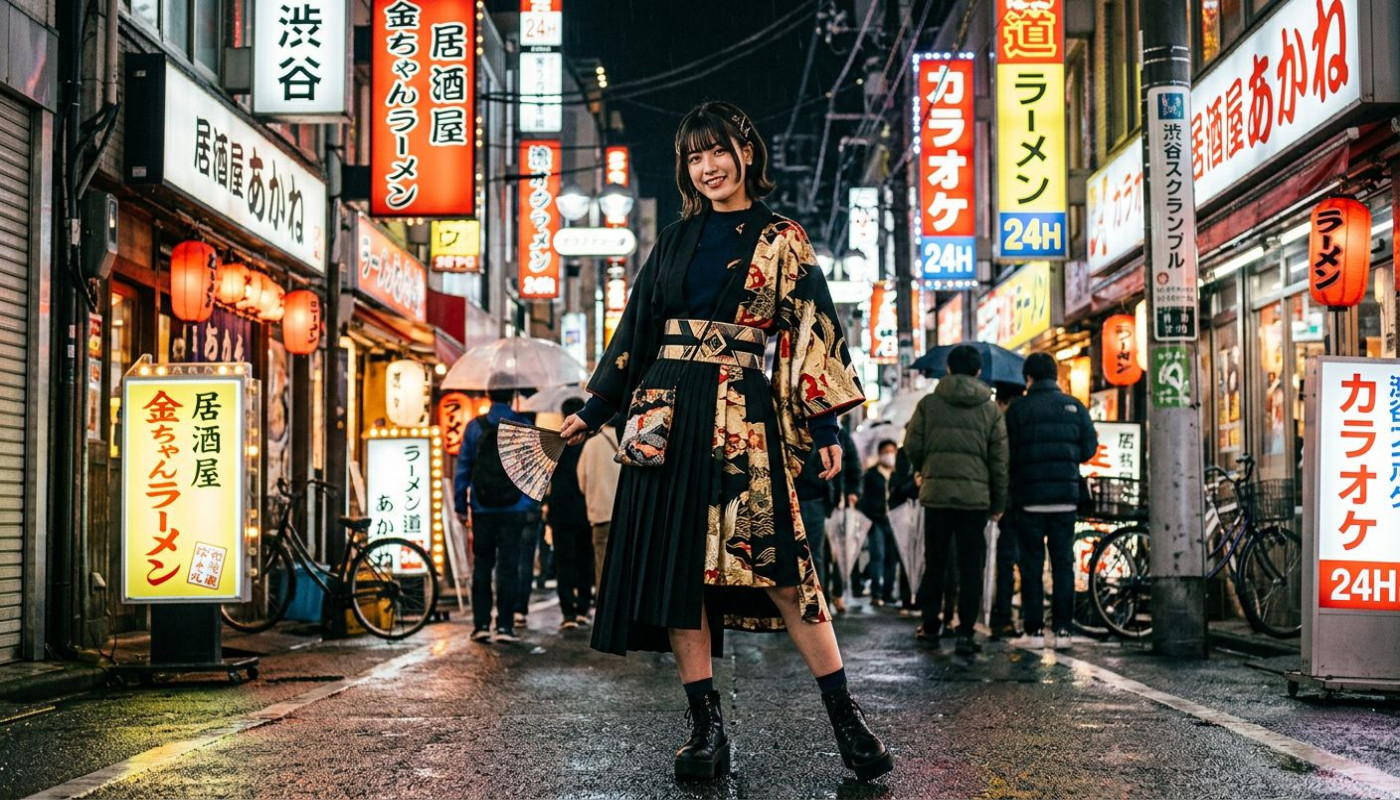
Creators and consumers alike must consider the origins and meanings of motifs, balancing creative expression with respect for their symbolic significance. The way traditional elements are adapted—whether for celebration or commercial purposes—often reflects underlying power dynamics, shaping public perceptions of both the wearer and the culture represented. In some instances, fashion featuring traditional Japanese prints, for instance, can help bridge cultural gaps and promote dialogue. For those interested in exploring authentic representations or understanding the roots of such trends, why not look here for a closer look at Japanese motifs in modern clothing? As renowned cultural theorists have observed, the interplay between tradition and innovation in urban fashion highlights the ongoing conversation about heritage, representation, and the ethics of style.
Influence on fashion innovation
Traditional motifs serve as a driving force behind fashion innovation in the urban sector, often acting as a rich source of design inspiration that sparks new directions in both aesthetics and production methods. Urban designers are increasingly turning to heritage patterns and symbols, integrating them with advanced pattern technology and upcycling techniques that reduce textile waste while honoring cultural narratives. This fusion of past and present is also evident in sustainable fashion initiatives, where traditional handcrafts and ethical materials are reimagined through cutting-edge garment construction, leading to collections that are both environmentally conscious and visually fresh. As technology enables more precise and experimental approaches, motifs that once appeared solely in ceremonial or regional attire are now reinterpreted with modern silhouettes and innovative fabrics, marking a shift towards a more adaptive and inclusive creative process within the global fashion landscape.
Future of traditional motifs
As the landscape of fashion trends relentlessly evolves, the future of motifs derived from heritage cultures is set to become even more dynamic, shaped by rapid cultural evolution and groundbreaking advancements in textile technology. Digital design tools and AI-powered pattern forecasting increasingly empower designers to reinterpret traditional elements with unprecedented precision and creativity, fusing global style influences while responding to the pulse of contemporary city life. This convergence enables a new generation of creators and consumers alike to harness the narrative power of motifs, making them not just decorative flourishes but active symbols of identity, community, and innovation.
In the context of trend analysis, it is anticipated that motif-driven styles will continue to draw from a wide spectrum of cultural archives, but with a sharper focus on personalization and ethical sourcing. The democratization of design processes allows for greater input from wearers, who can now participate in customizing patterns that reflect both heritage and modern sensibilities. As the boundaries between local and global blur further, motifs once seen as belonging to a specific tradition are being reinterpreted, cross-pollinated, and elevated into the realm of universal fashion language.
Technological advances such as 3D printing, smart textiles, and augmented reality are expected to further revolutionize the integration of motifs in modern urban fashion. These tools enable intricate designs that were once impossible to produce at scale, fostering experimental collaborations between traditional artisans and high-tech innovators. The future of motifs will not only involve visual aesthetics but also interactive and sustainable experiences, as eco-conscious consumers seek styles that honor both cultural roots and environmental stewardship.
Ultimately, the lasting impact of traditional patterns on global fashion narratives will depend on how inclusively and responsibly they are adapted. As visionary designers continue to merge the past with the present through motif-driven creations, these patterns are poised to remain at the forefront of global style, inspiring a new wave of cultural appreciation, dialogue, and creative expression that transcends generations and geographies.
Similar articles