Table of contents
Curious about how the dynamic streets of Tokyo have shaped worldwide fashion? Discover the origins, evolution, and influence of Tokyo street style that continues to inspire and captivate designers, trendsetters, and enthusiasts around the globe. Dive deeper to unveil how local creativity translates into global trends, fostering new styles and redefining fashion norms everywhere.
Origins of tokyo street style
Tokyo street style emerged as a dynamic response to the rapidly shifting social and cultural landscape of post-war Japan, setting the stage for an urban fashion revolution with global influence. After World War II, Japan experienced significant westernization alongside a revival of national identity, which gave rise to an energized youth population eager to express individuality and break away from traditional norms. Japanese youth culture became a driving force behind the innovation of urban fashion, with young people in districts like Harajuku and Shibuya experimenting boldly with clothing, accessories, and personal aesthetics. These urban centers became incubators for new subcultures, each fostering their own visual language and attitudes as a form of resistance against mainstream fashion and societal expectations.
Artistic movements and a spirit of reinvention thrived throughout these neighborhoods, contributing to the creation of distinctive trends that soon caught the attention of the international fashion community. The interplay between local designers, vintage influences, and imported Western looks produced an eclectic mix, reflecting both a reverence for cultural heritage and a desire for modernity. Tokyo street style thus evolved through a complex dialogue between tradition and innovation, establishing its status within fashion history as a catalyst for new forms of self-expression. The scene’s constant reinvention and fearless creativity continue to influence urban fashion worldwide, reinforcing Tokyo’s reputation as a source of global influence and inspiration in the realm of style.
Defining characteristics and aesthetics
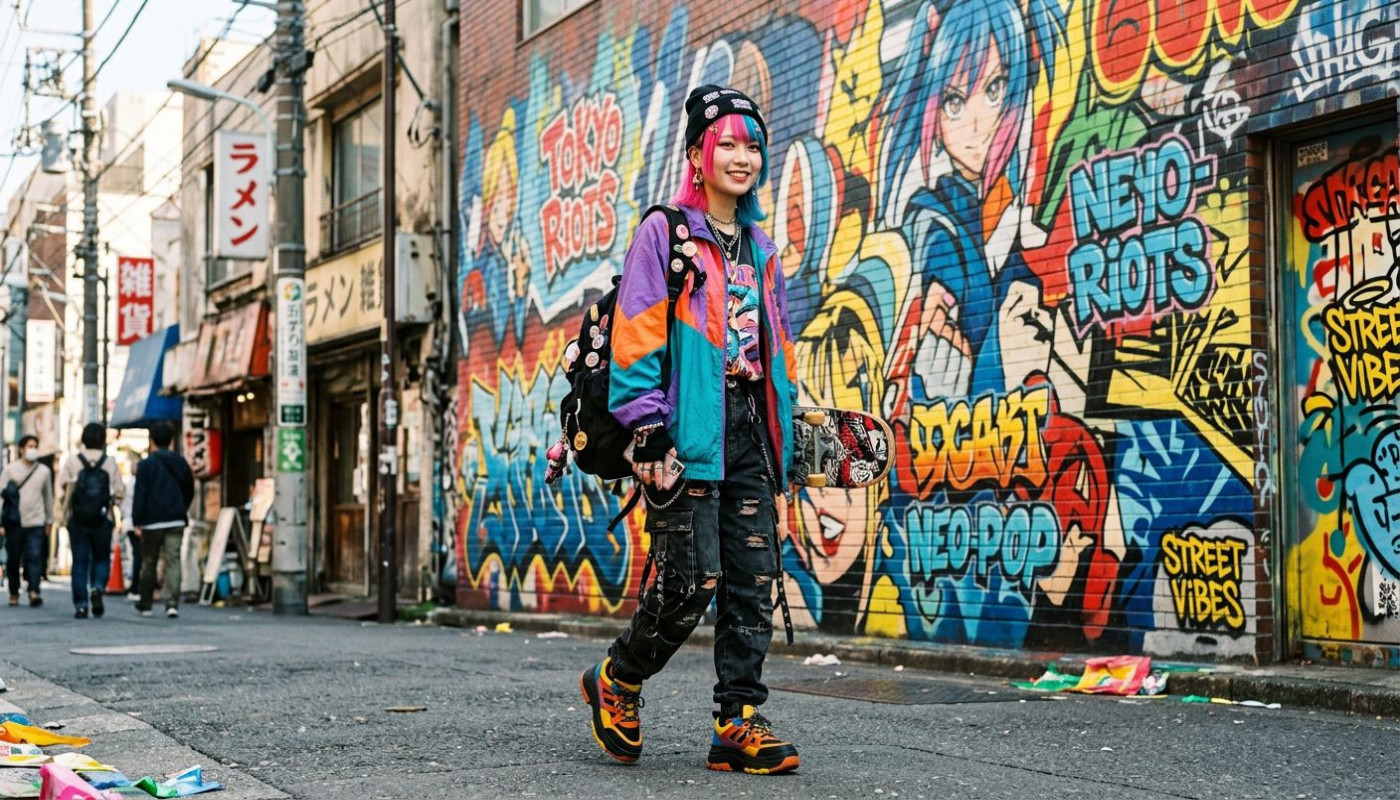
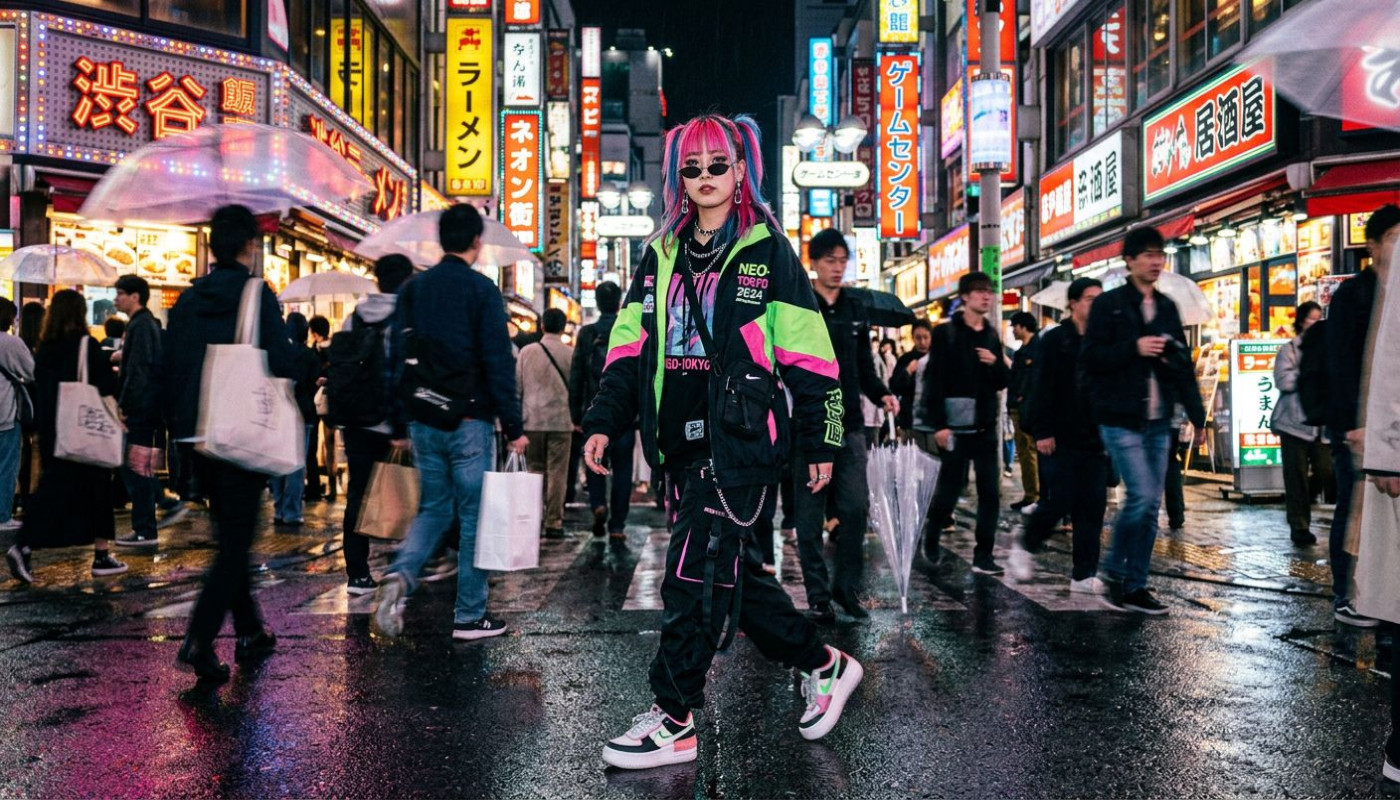
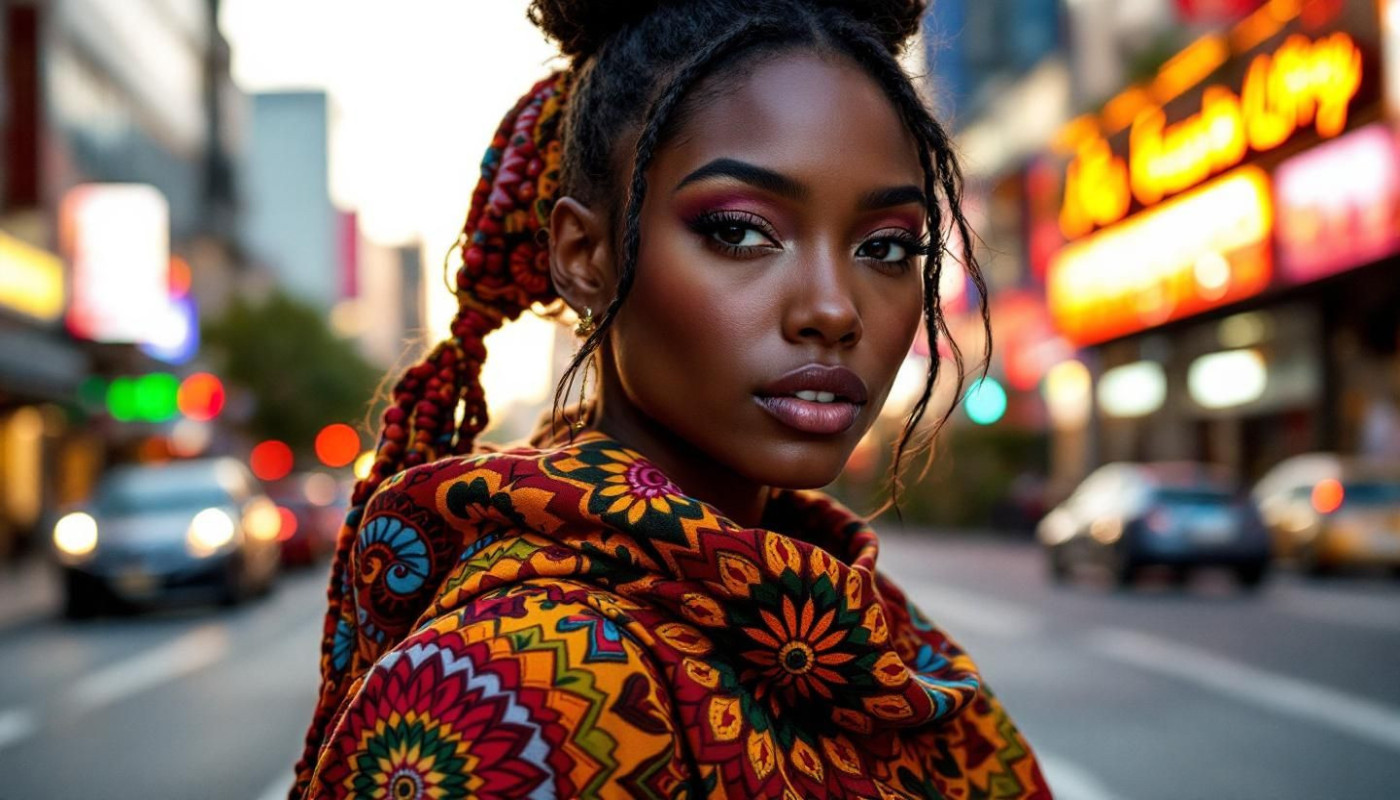
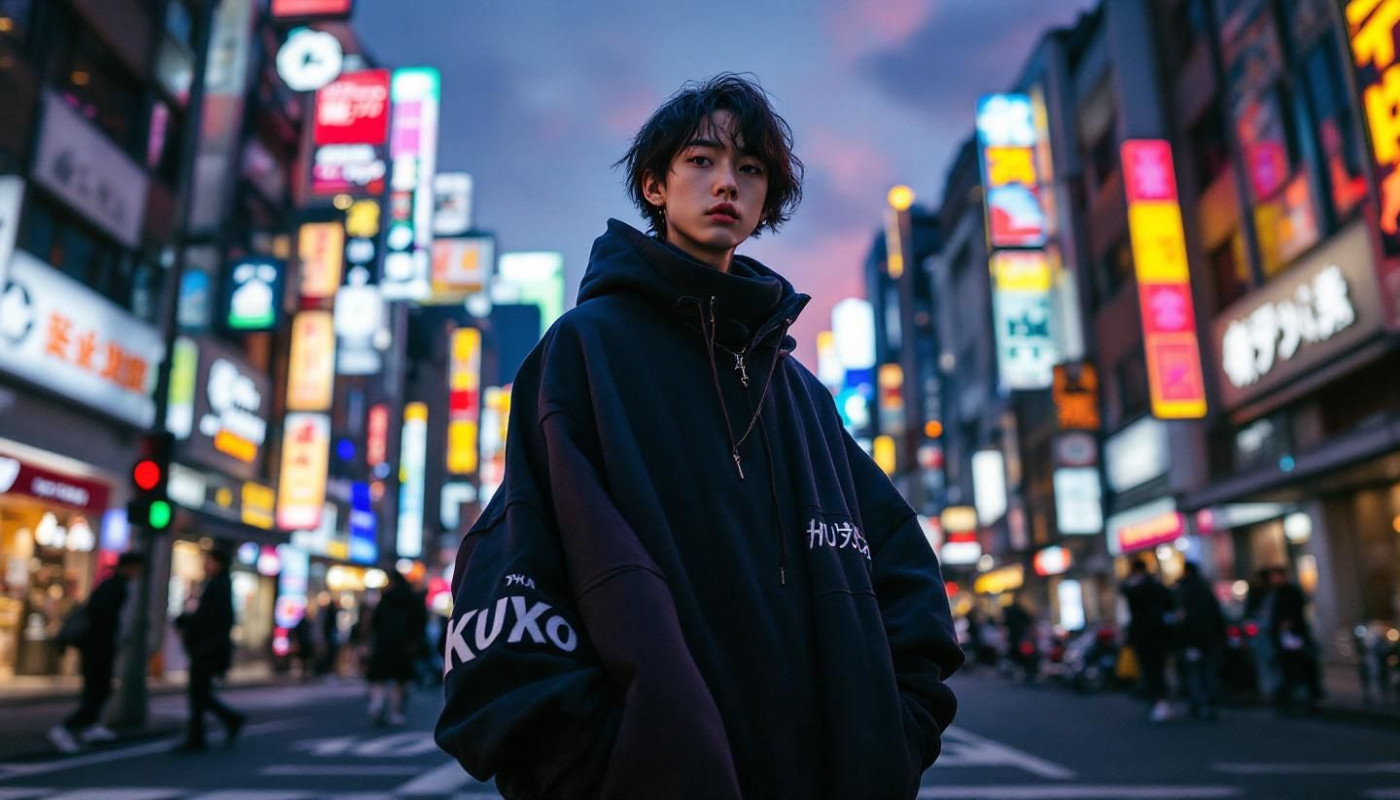
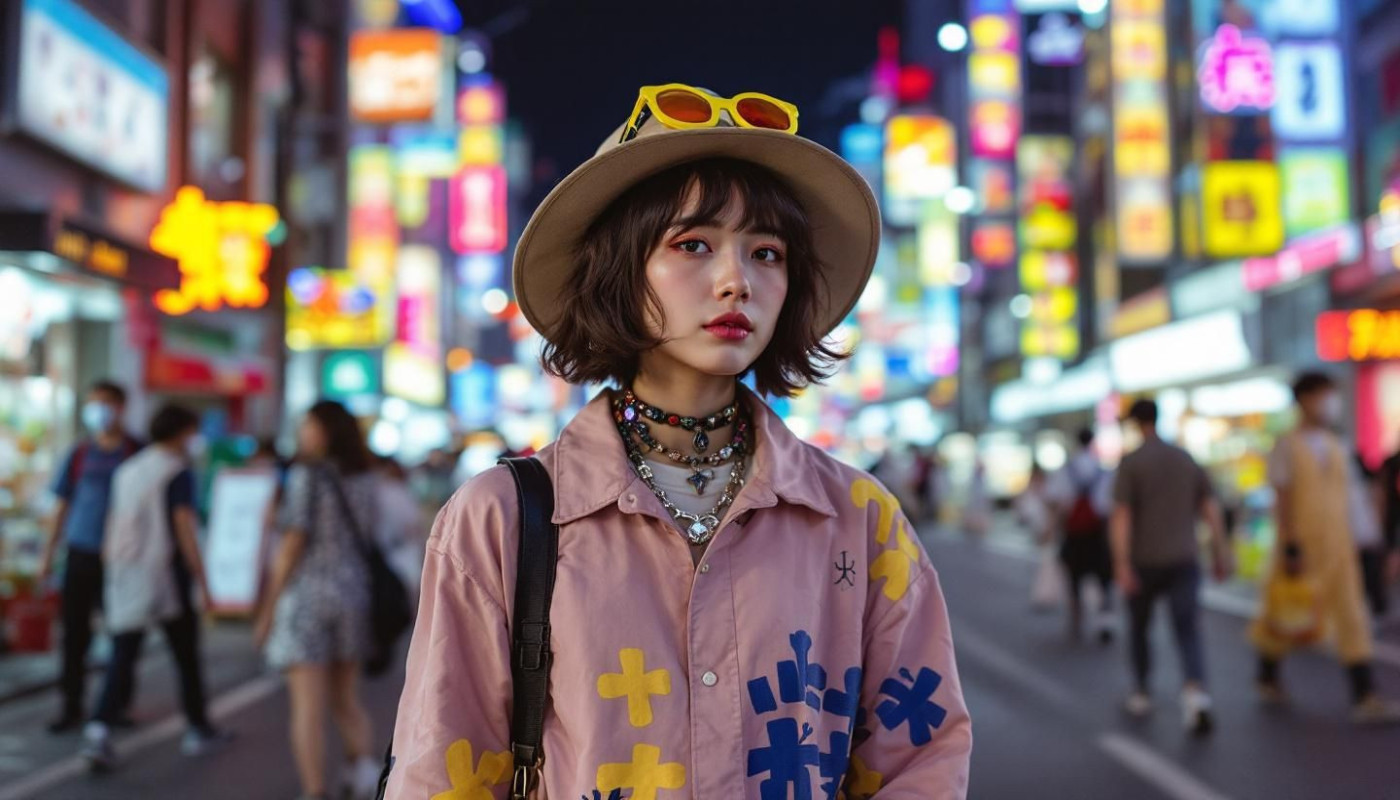
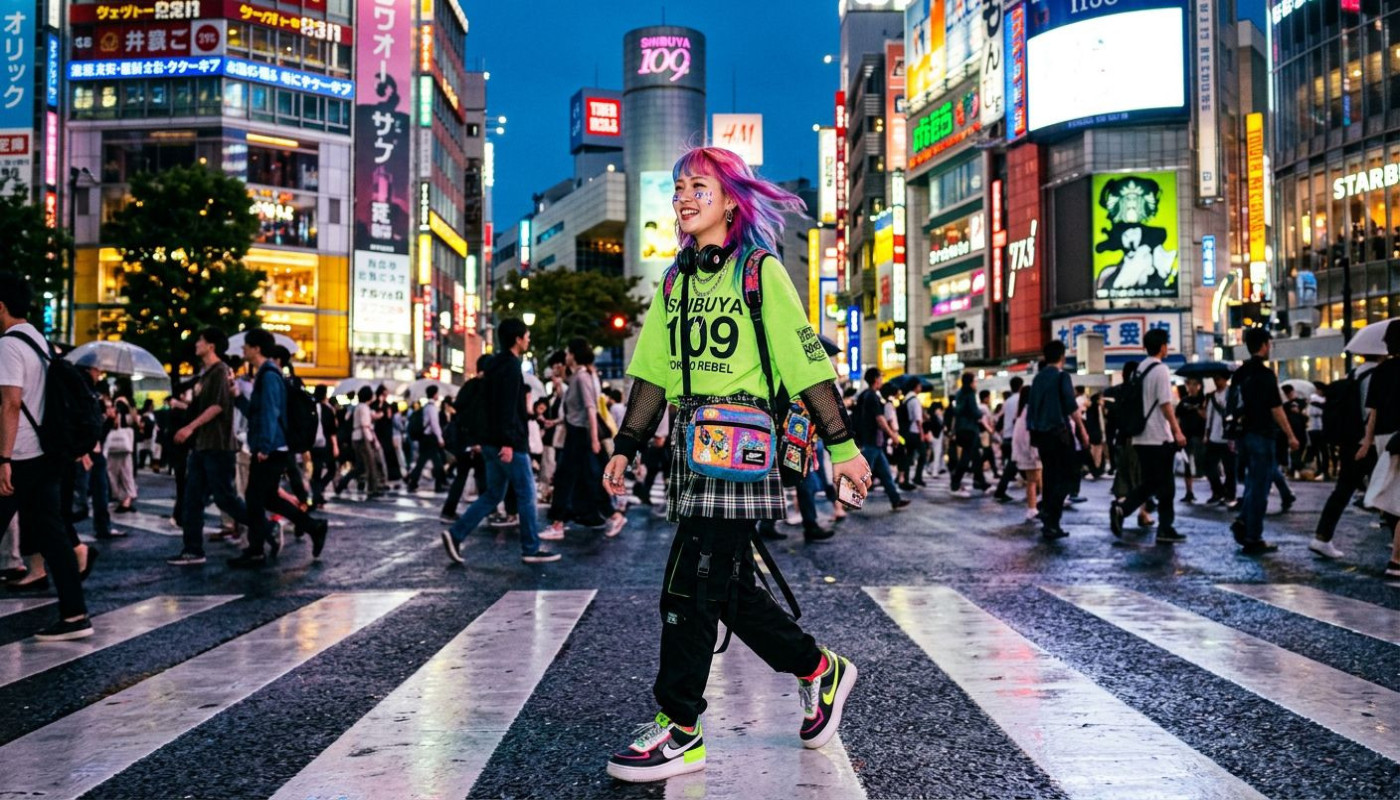
Tokyo street fashion is renowned for its vibrant visual identity, combining bold visual elements with an unmistakable sense of self-expression. The aesthetics are characterized by daring color palettes that range from pastel hues and neon accents to monochrome harmonies, creating a striking contrast with subdued urban environments. Layering is also a core technique, with wearers skillfully assembling multiple garments—such as oversized jackets, patterned shirts, and textured accessories—to build depth and dimension. This approach results in dynamic silhouettes that serve as constant style inspiration for fashion enthusiasts worldwide.
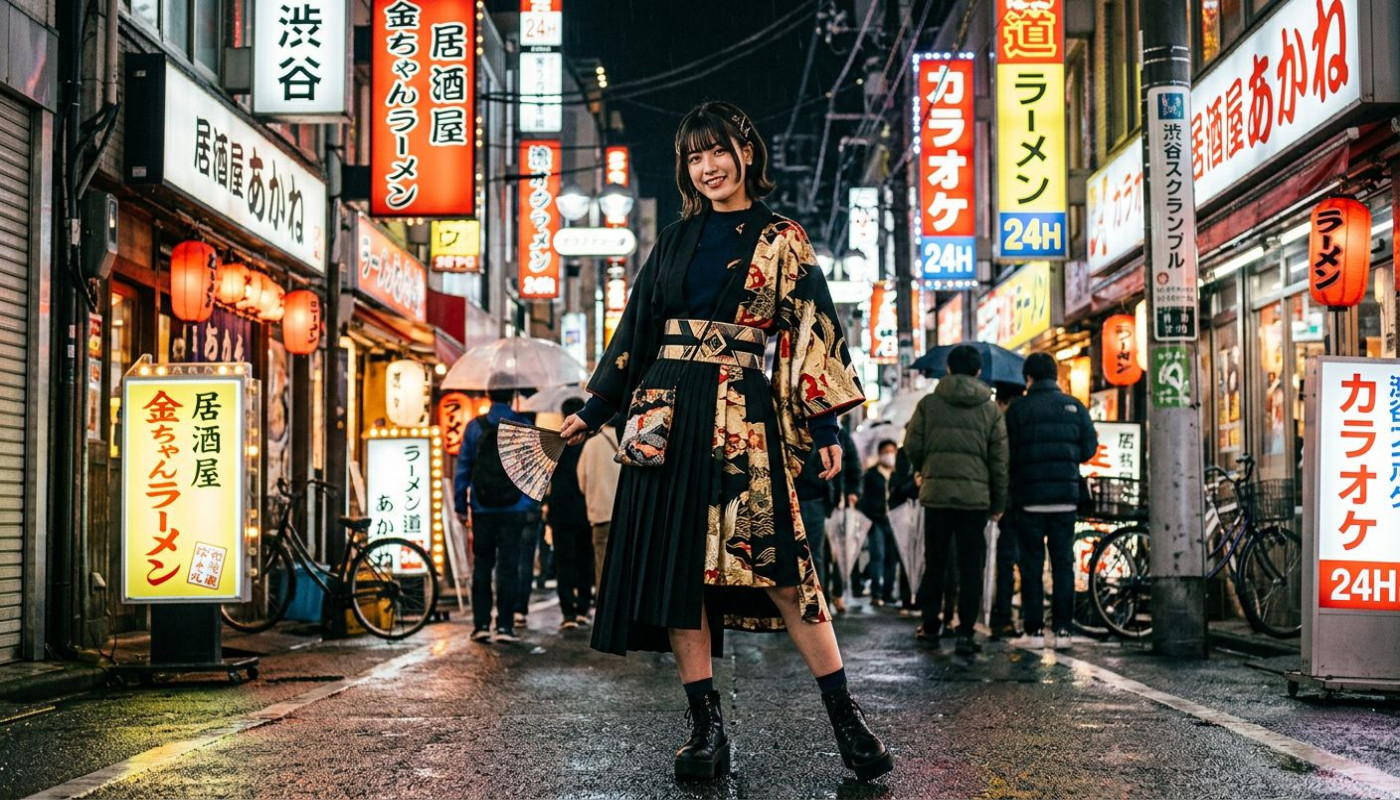
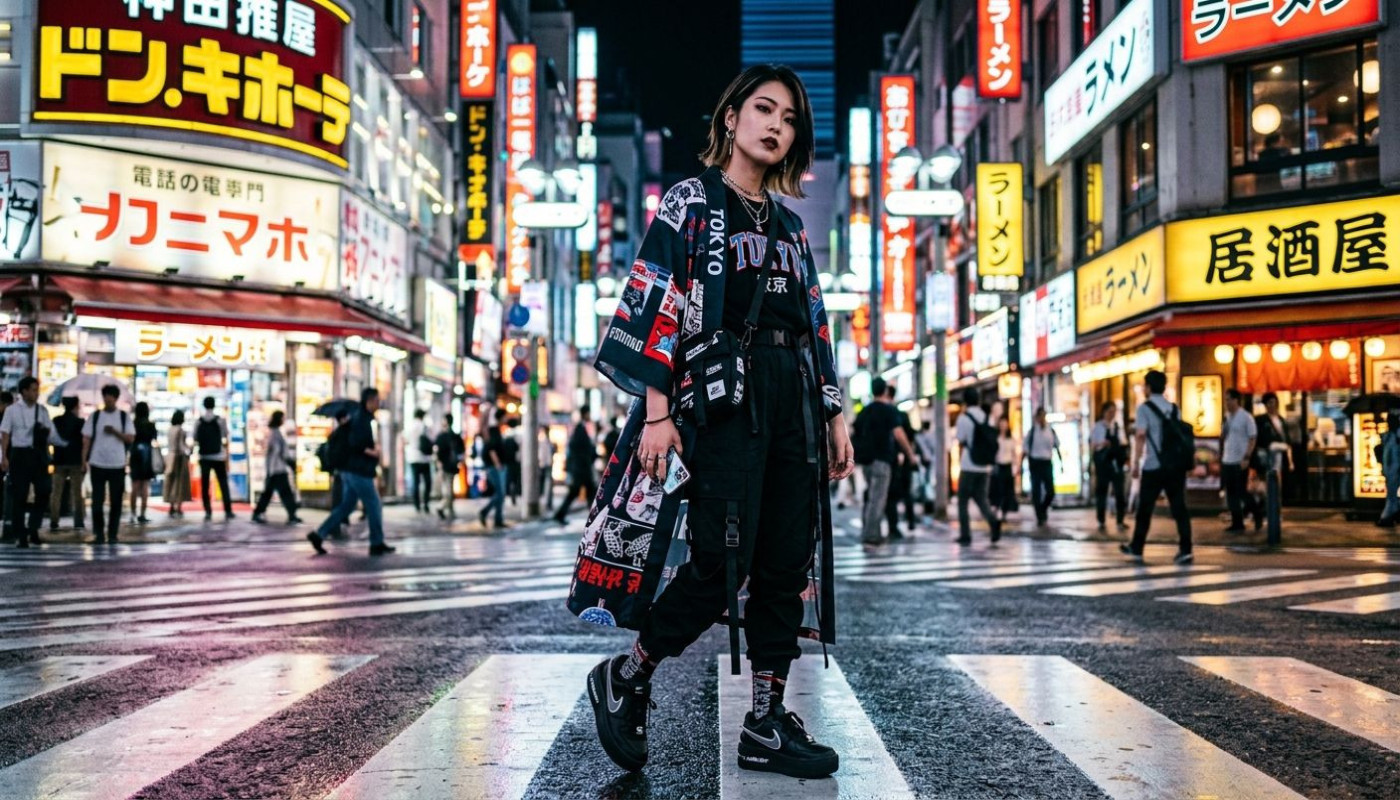
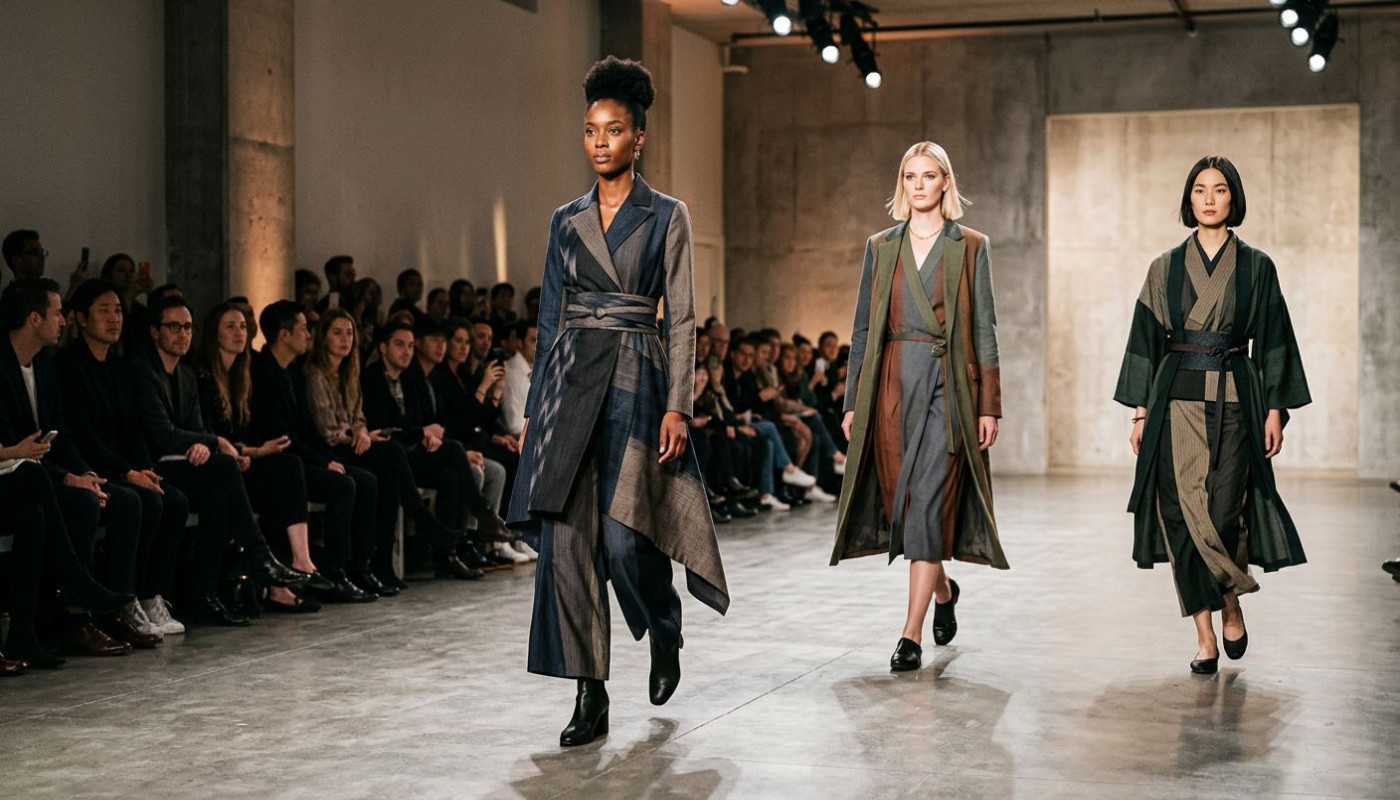
One of the unique strengths of Tokyo street fashion lies in its fluid integration of traditional Japanese influences and cutting-edge modern aesthetics. Classic elements such as kimono-inspired cuts, obi belts, and tabi shoes are frequently remixed with contemporary pieces like graphic tees, futuristic sneakers, and avant-garde tailoring. This intersection of old and new not only celebrates cultural heritage but also drives fashion innovation, setting Tokyo apart from more homogenized global trends. The result is a look that defies conventional boundaries, signaling an ever-evolving visual identity that is both rooted and forward-thinking.
Self-expression is at the heart of Tokyo street fashion, with individuals using their clothing as a canvas to communicate personal narratives and challenge societal norms. Compared to mainstream global fashion, where trends often dictate conformity, Tokyo’s fashion scene encourages experimentation and risk-taking. The rich visual identity produced by this freedom stands out in the global market, influencing designers and inspiring trends far beyond Japan’s borders. Ultimately, Tokyo street fashion exemplifies how innovation, tradition, and individuality can coexist, offering an enduring wellspring of style inspiration for the world.
Impact on global fashion trends
Tokyo street style has wielded remarkable international influence, shaping fashion trends well beyond Japan’s borders. Designers from high fashion capitals such as Paris, Milan, and New York often draw inspiration from the eclectic mix of vintage, avant-garde, and subcultural aesthetics seen on Tokyo’s streets. This global street style movement has made its way onto runways and into collections, with recurring motifs like layering, bold patterns, and playful accessories signaling the city’s trendsetting power. The technical process of diffusion explains how such unique elements—like oversized silhouettes, asymmetric cuts, and unexpected fabric pairings—are adopted, reinterpreted, and popularized across the fashion world through media, influencer adoption, and international collaborations.
Fashion evolution is constantly fueled by Tokyo’s dynamic creativity, which encourages both established and emerging designers to innovate. Japanese street style, particularly from districts like Harajuku and Shibuya, is studied by global trend forecasters who anticipate which aesthetics will resonate next. This close observation leads to rapid adaptation of Tokyo’s signature looks in seasonal collections, editorial features, and mainstream retail spaces. Brands frequently incorporate aspects such as deconstructed denim or eye-catching graphic prints that originated in Tokyo, blending them with regional sensibilities to create accessible, wearable interpretations that appeal to a wide audience.
Today, the diffusion of Tokyo street style serves as a catalyst for ongoing fashion evolution, reinforcing its role in shaping and redefining global street style. Those interested in embracing this vibrant aesthetic can explore authentic pieces and inspiration from Japanese design through why not try these out, connecting directly to a curated selection of Tokyo-inspired clothing. This direct engagement with Tokyo’s fashion culture enables fashion enthusiasts to participate in the ever-growing circle of international influence that continues to drive the industry forward.
Role of media and digital platforms
Magazines, blogs, and social media have played a transformative role in projecting Tokyo street style from local neighborhoods to a worldwide audience. Street style photography, once confined to print publications and niche fashion circles, now thrives on digital platforms where content can achieve viral dissemination within hours. Social media fashion accounts, powered by influencers and professional photographers, provide instant access to Tokyo’s dynamic looks, allowing users across continents to engage with and emulate new trends in real time. This digital influence is further strengthened by online fashion communities, where enthusiasts and creators exchange insights, inspiration, and feedback, promoting an ever-evolving dialogue around style innovation.
Online platforms such as Instagram, TikTok, and specialized fashion blogs have dramatically expanded the global reach of Tokyo street style. By showcasing eclectic outfits and experimental aesthetics through carefully curated feeds, these channels enable trends to cross cultural and geographic boundaries at an unprecedented rate. Influencers and photographers not only document but also interpret Tokyo’s fashion scene, shaping perceptions and encouraging adoption among diverse audiences. This interconnectedness between digital media and global fashion culture ensures that Tokyo’s creative energy continuously fuels new movements, making street style photography and social media fashion pivotal tools for trend acceleration in the modern era.
Future of tokyo street style
The future of Tokyo street style promises a dynamic landscape where next generation trends will continue to reshape global fashion. Driven by a community of young creatives, Tokyo’s urban creativity remains a driving force behind innovative style concepts that challenge the mainstream. As traditional boundaries blur, the city's diverse subcultures and their bold experimentation are rapidly adopted and adapted worldwide, contributing to the street style evolution visible in metropolitan centers from London to Los Angeles.
Trend forecasting in this context relies on analyzing the synergy between Japan’s pop culture, technological advancements, and shifting societal values. The increasing focus on sustainability is prompting Tokyo’s designers and wearers to embrace eco-friendly materials, upcycling, and slow fashion principles. This sustainable mindset, paired with the eclectic mix of vintage and futuristic aesthetics, points toward future fashion that is both resource-conscious and visually audacious, making Tokyo a reference for anticipating what will resonate globally.
As digital platforms amplify the city’s influence, global audiences gain instant access to street-level innovation and subcultural expressions. The ongoing evolution of street style in Tokyo is expected to inspire a wave of decentralized, collaborative creativity that transcends borders. Looking ahead, Tokyo’s vibrant scene will likely remain at the forefront of trend forecasting, setting standards for innovative style and defining the direction of urban street style evolution in the international arena.
Similar articles