Table of contents
Modern Tokyo streetwear has captured the imagination of fashion enthusiasts around the world, blending cutting-edge design with the city’s unique urban culture. This article delves into the reasons behind its rise in popularity and the powerful influence it exerts on global style trends. Dive deeper to uncover the origins, defining characteristics, and the remarkable impact of this vibrant fashion movement.
The roots of Tokyo streetwear
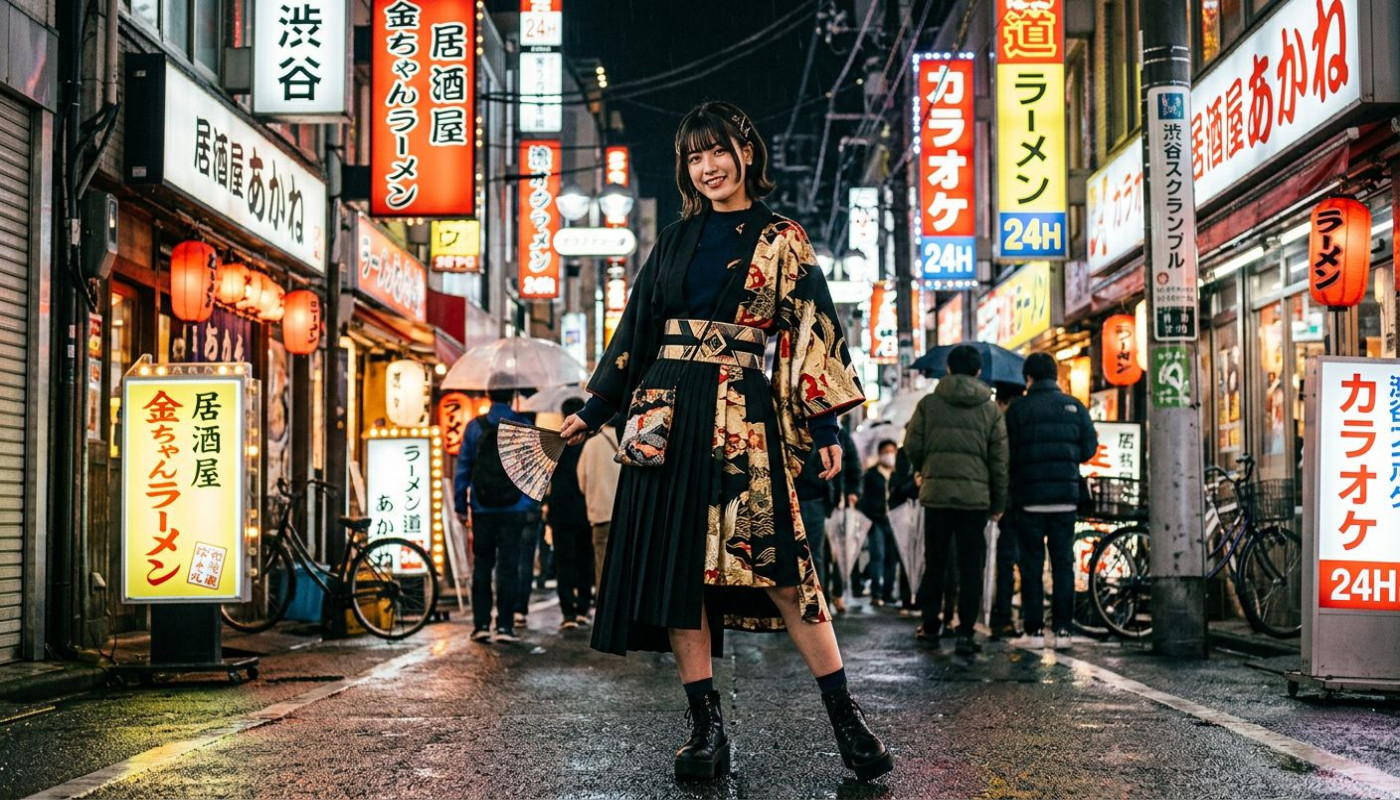
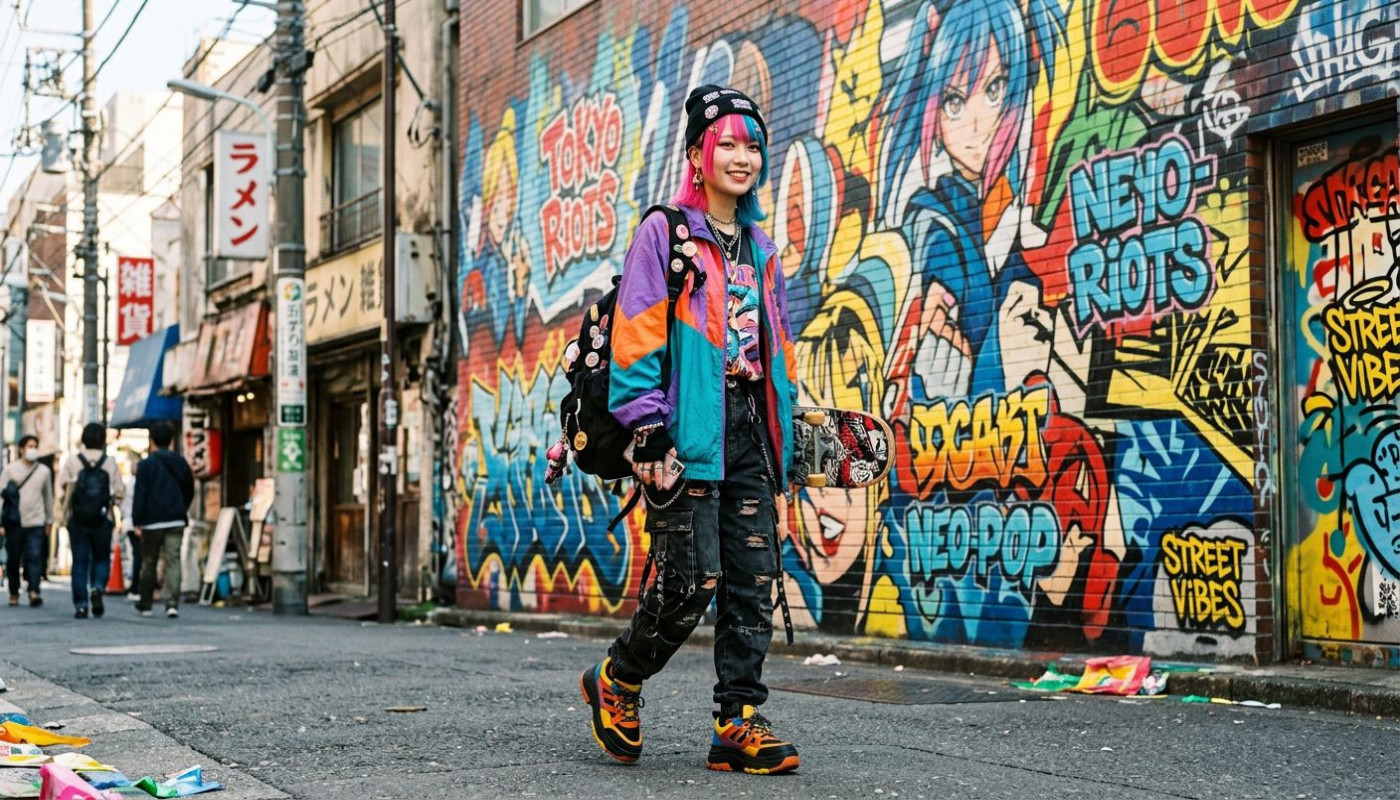
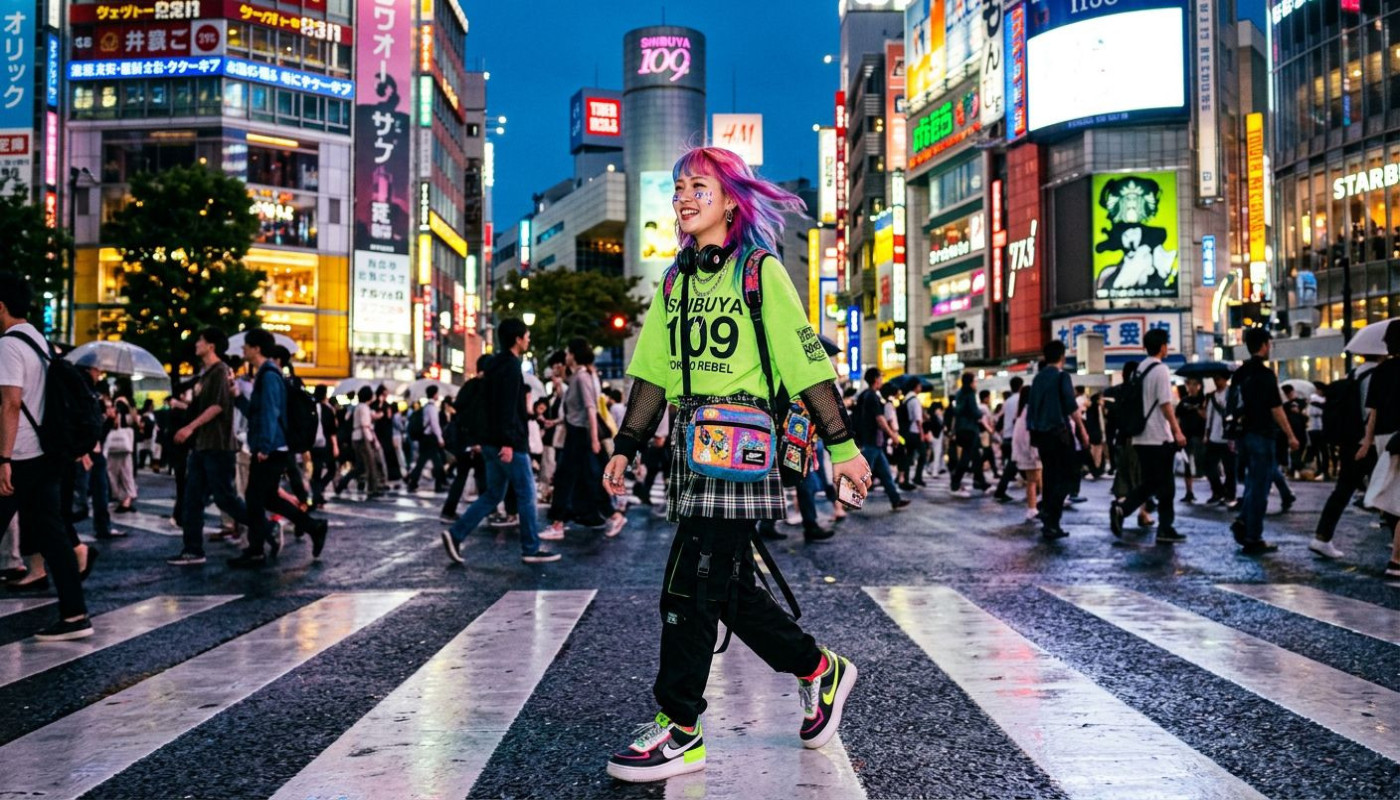
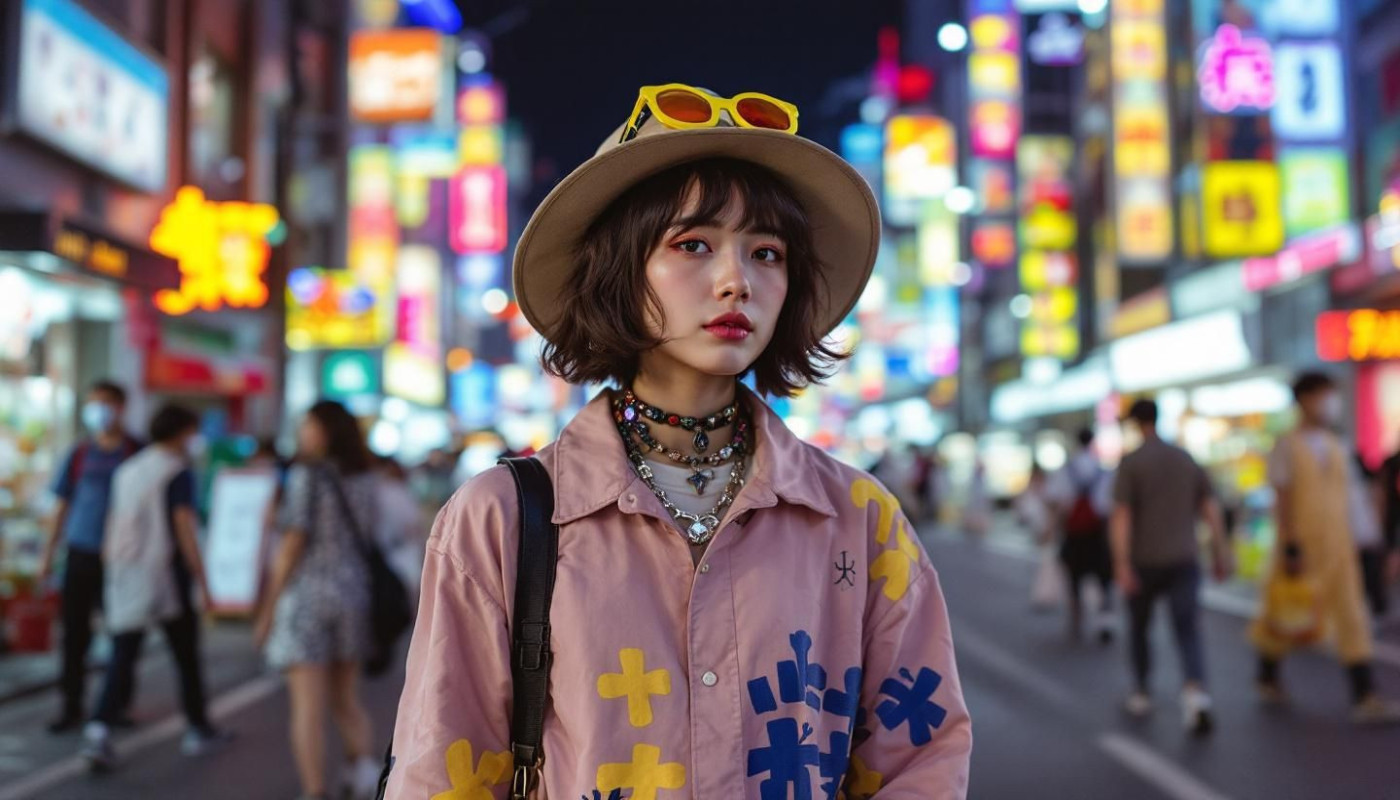
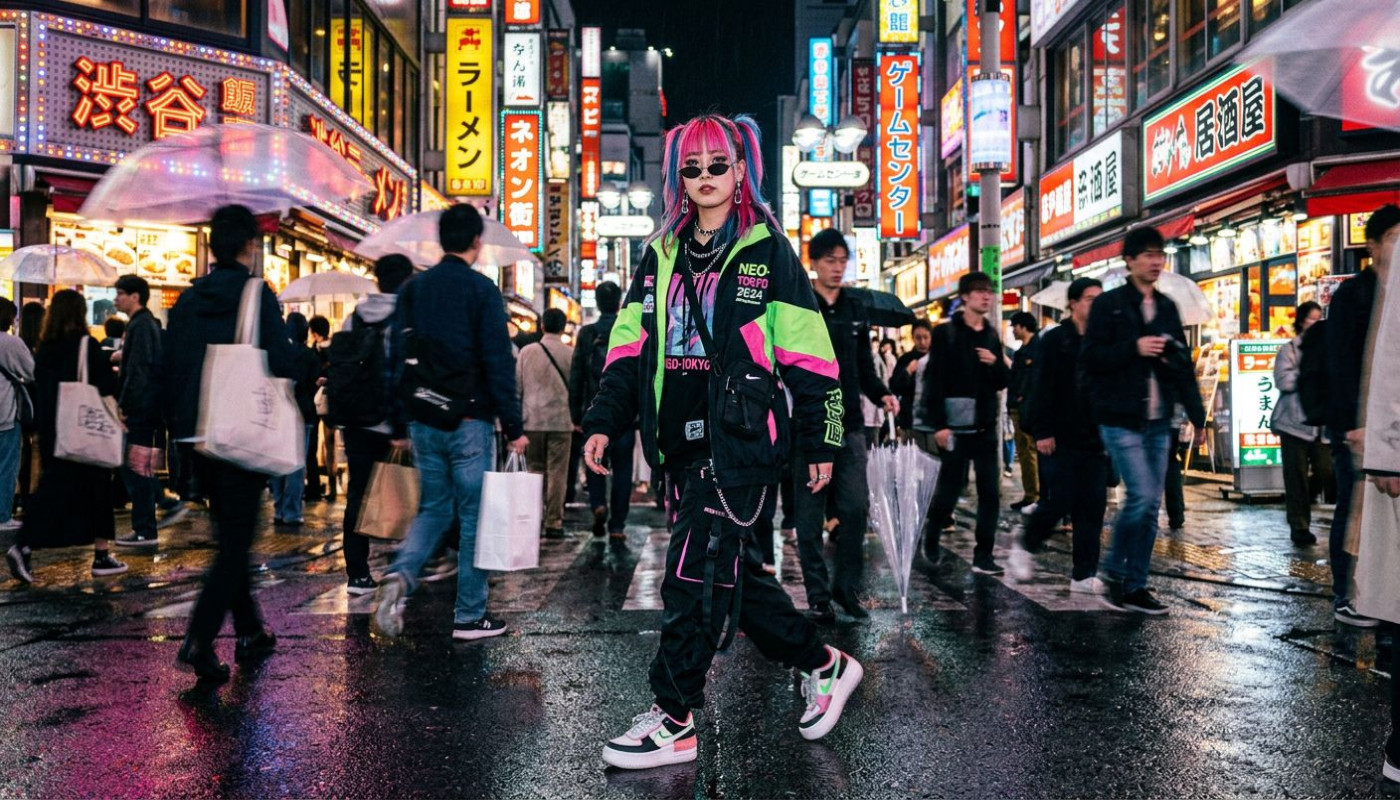
Tokyo streetwear history is deeply intertwined with the rise of urban culture in postwar Japan, where young people sought expressive outlets amid rapid modernization. During the 1980s and 1990s, Japanese youth fashion began to flourish in districts like Harajuku and Shibuya, with music, skateboarding, and underground art forming the backbone of a burgeoning scene. The Harajuku style, recognized for its eclectic layering and bold use of color, became a visual representation of rebellion and creative freedom. Unlike Western cities, where street style evolution often reflected broader countercultural movements, Tokyo's street fashion was shaped by the collision of local traditions and global influences, resulting in an innovative mix of Eastern and Western aesthetics.
This unique fashion subculture thrived on the DIY ethos, as teenagers experimented with vintage pieces, reworking them into distinctive ensembles that challenged mainstream norms. Skateboarding crews and music collectives played a significant role, with hip-hop, punk, and J-pop all influencing the silhouettes, graphics, and attitude seen on the streets. Boutique stores and independent designers in Harajuku provided a platform for these experimental styles to gain visibility, while Japanese magazines and street photographers documented the ever-evolving looks, helping to cement Tokyo's reputation as a global trendsetter. The streets of Tokyo thus became both a runway and a canvas, reflecting the city's constant negotiation between tradition and innovation.
Over time, the fashion subculture nurtured a community that not only celebrated individuality but also shaped global streetwear trends. The interplay between Japanese youth fashion and international influences fostered a climate of collaboration and mutual inspiration, with Western brands drawing from Tokyo’s creativity and vice versa. Today, the influence of Tokyo streetwear history remains evident in the widespread appeal of Japanese labels and the continued popularity of Harajuku style worldwide, underscoring the city’s pivotal role in the development of contemporary urban culture and street style evolution.
Key features and aesthetics
Modern Tokyo streetwear stands out through its innovative blend of traditional Japanese elements and futuristic design, making it a benchmark for global streetwear aesthetics. The use of layering in fashion is not only practical but has evolved into a defining visual language, with multiple textures, fabrics, and lengths combined to create a dynamic and unique silhouette. This approach gives wearers the flexibility to express individuality while remaining rooted in Japanese fashion trends that value both comfort and creative expression.
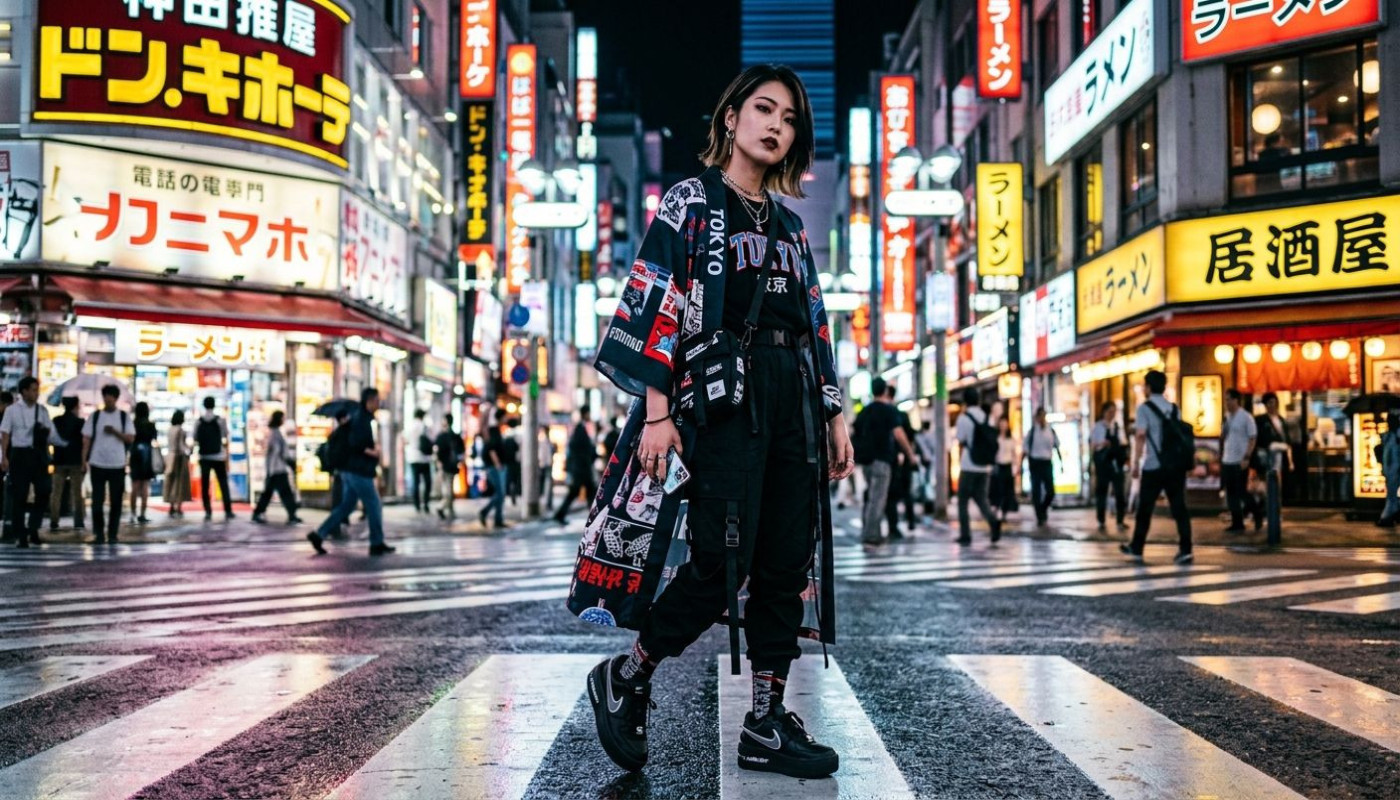
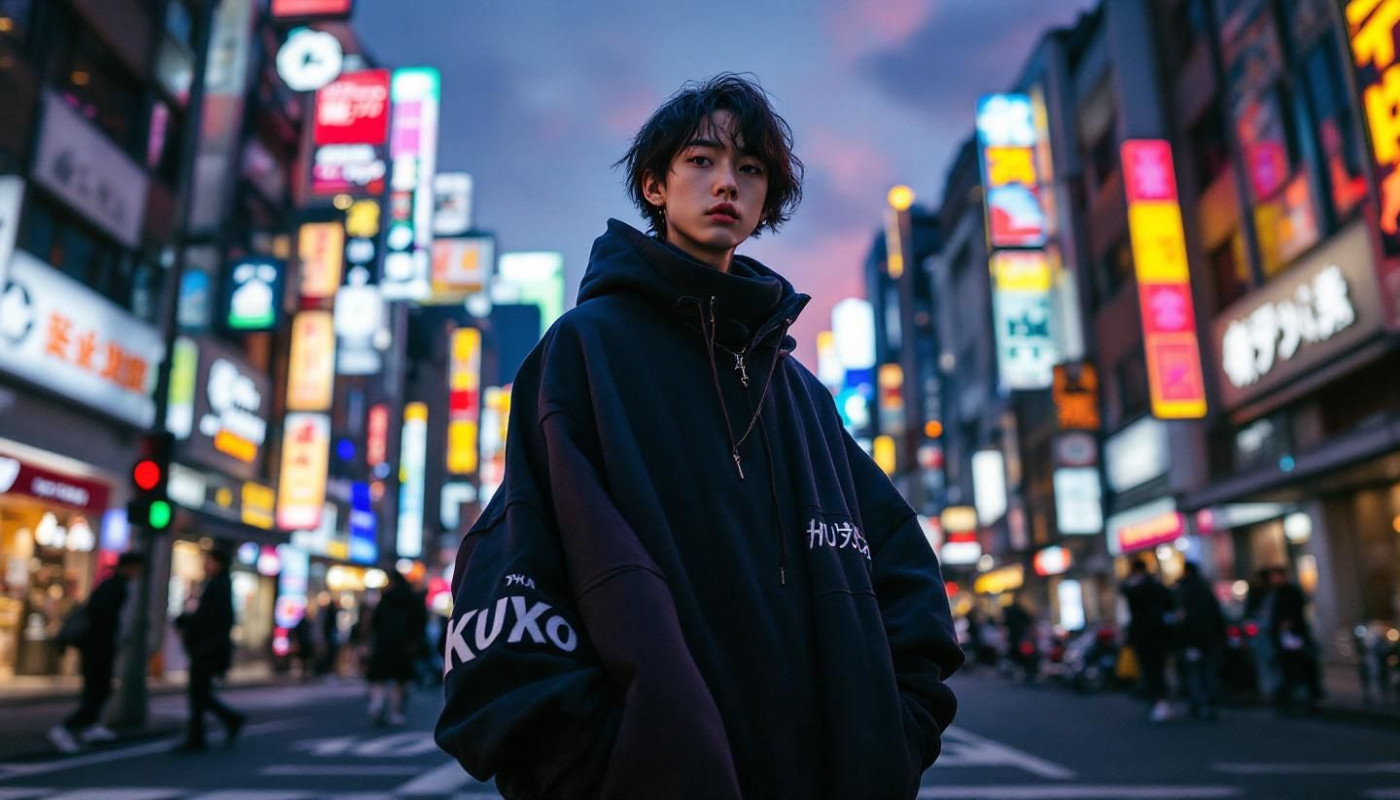
Oversized silhouettes are a hallmark of modern Tokyo streetwear, offering a relaxed, yet structured profile that cleverly contrasts with more fitted pieces. These proportions often accentuate the body through unexpected volume and drapery, reflecting a departure from conventional Western tailoring. Bold graphic prints play an essential role, frequently inspired by Japanese pop culture, manga, and street art, providing not just visual impact but also cultural commentary. The interplay between graphic prints and minimalist elements enables endless customization within these aesthetics.
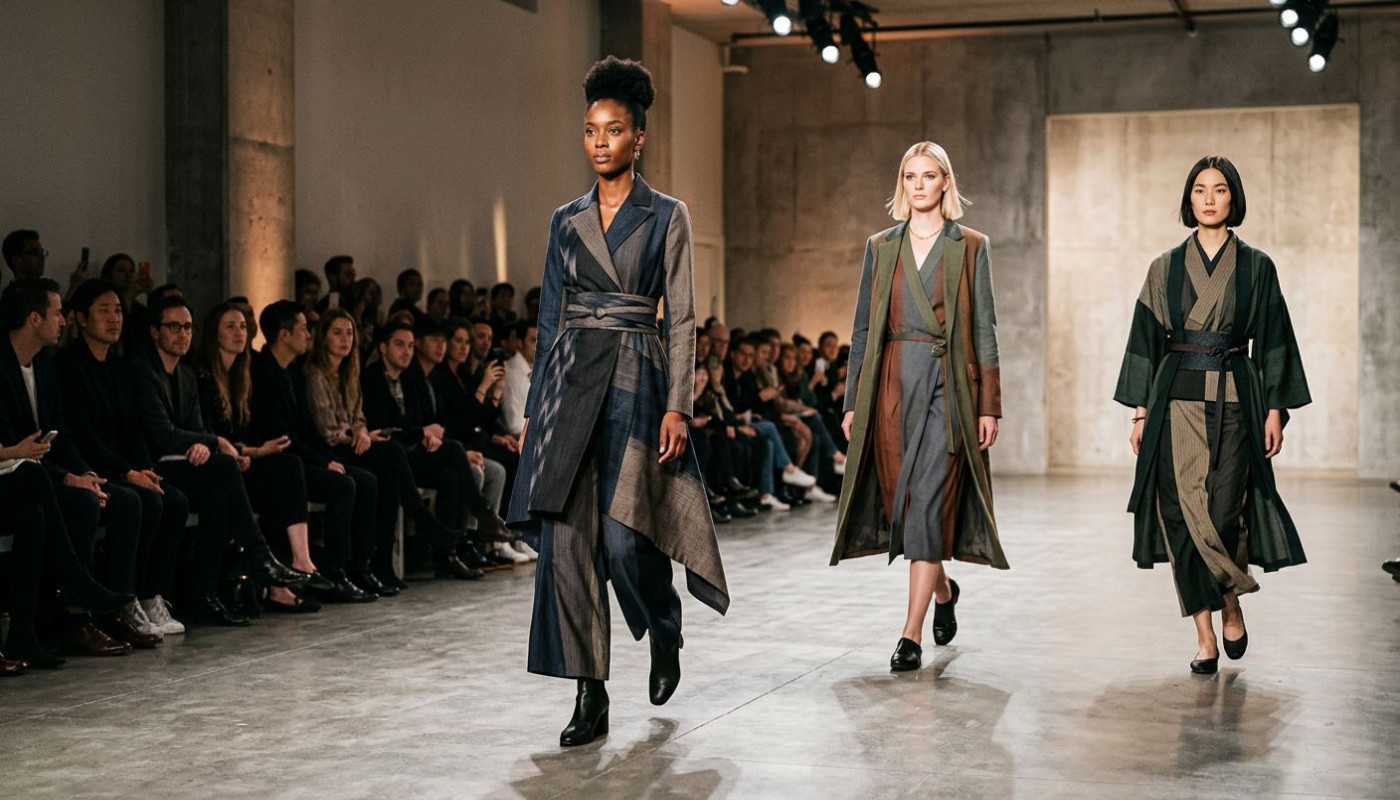
What distinguishes modern Tokyo streetwear further is the seamless integration of traditional motifs—such as kimono-inspired sleeves, sash belts, and indigo dyeing—with cutting-edge materials and digital design. This fusion is visible in everything from daily wear to runway collections, illustrating the constant innovation that fuels Japanese fashion trends. For a detailed description of specific pieces and brands shaping this movement, readers can visit description, which highlights the vibrancy and influence of Tokyo's streetwear scene on a global scale.
Influence on global fashion
Tokyo streetwear influence extends far beyond Japan’s urban centers, leading to a remarkable worldwide fashion impact through the process of cultural diffusion. Designers from Paris, New York, and Milan have repeatedly drawn street fashion inspiration from Tokyo’s vibrant Shibuya and Harajuku districts, blending bold graphics, innovative layering, and eclectic accessories into their collections. Runways in these international style capitals frequently showcase looks reminiscent of Japanese youth culture, from oversized silhouettes to unexpected fabric pairings, demonstrating how global fashion trends are shaped by Tokyo’s creative energy.
Social media platforms serve as powerful amplifiers for this phenomenon, with influencers across continents adopting and remixing Tokyo streetwear elements for their audiences. Hashtags and visual storytelling accelerate the spread of this aesthetic, fostering a global community united by a shared appreciation for experimental street style. In sum, Tokyo streetwear influence continues to drive international style evolution, cementing its role as both a source and catalyst of street fashion inspiration across the fashion industry.
Role of technology and innovation
Fashion technology Tokyo has experienced a remarkable transformation, largely driven by advancements in wearable technology and innovative streetwear concepts. Designers in the techwear movement are utilizing smart textiles to merge form and function, incorporating features such as moisture-wicking capabilities, integrated LEDs, and temperature regulation directly into garments. This move towards high-performance materials and futuristic aesthetics has positioned Tokyo as a hub for cutting-edge fashion, where the boundaries of traditional streetwear are continually redefined by the application of science and engineering.
Digital platforms have played a pivotal role in connecting the global digital fashion community with Tokyo’s dynamic streetwear culture. Social media, online marketplaces, and interactive live streams enable designers and consumers to collaborate, share insights, and access exclusive drops. This openness to digital tools fosters rapid dissemination of innovative streetwear, allowing trends to evolve in real time and encouraging experimentation with both visual style and garment functionality. The result is a thriving ecosystem where technology is not just an accessory but a core component of identity and expression.
The techwear movement has gained momentum, characterized by the integration of wearable technology that enhances both utility and style. Items such as jackets with built-in charging ports, backpacks equipped with solar panels, and accessories featuring NFC chips are now commonplace in Tokyo’s street fashion scene. As a result, innovative streetwear from this city continues to influence global trends, demonstrating how forward-thinking design and technology can coexist to shape the future of urban fashion. This synergy between smart textiles, digital engagement, and functional aesthetics underscores Tokyo’s ongoing leadership in reimagining what streetwear can be.
Social and cultural impact
Tokyo streetwear culture has rapidly evolved from a niche subculture to a significant force shaping youth identity and the Japanese urban lifestyle. Driven by creativity, rebellion against traditional norms, and a desire for self-expression, streetwear in Tokyo offers an accessible platform for young people to distinguish themselves and articulate individuality within a collective society. Through unique combinations of bold graphics, avant-garde silhouettes, and global influences, Tokyo's fashion scene empowers youth to navigate societal expectations while forming connections with like-minded individuals. This dynamic interplay between conformity and originality has given rise to a vibrant fashion community Japan-wide, fostering solidarity and mutual inspiration among its members.
The social impact streetwear exerts extends beyond the boundaries of clothing; it permeates music, art, and even political discourse, contributing to the redefinition of contemporary Japanese urban lifestyle. By providing a visual language for self-representation, streetwear allows young people to challenge stereotypes and create new narratives about gender, class, and cultural heritage. Participation in subculture-oriented events, pop-up shops, and online communities helps forge strong bonds among enthusiasts, transforming streetwear from a personal style choice into a collective identity. This sense of belonging is amplified in public spaces like Harajuku and Shibuya, which serve as epicenters for street-level innovation and cross-cultural exchange.
Globally, Tokyo streetwear culture has inspired a wave of creativity, influencing international brands and fostering collaboration across borders. As Japanese designs gain recognition for their originality and craftsmanship, the fashion community Japan nurtures continues to set trends and redefine what it means to be fashionable in a global context. The export of Tokyo's street style underscores its role in shaping perceptions of youth culture worldwide, bridging gaps between East and West while highlighting fashion’s power as a tool for social connection and self-discovery.
Similar articles