Table of contents
Delve into the fascinating journey of how streetwear has transformed by drawing inspiration from traditional Japanese garments. Uncover the deep cultural roots and modern interpretations that continue to shape global fashion trends. Embark on a discovery of the intricate relationship between heritage clothing and urban style, and see how history continues to weave itself into the fabric of today’s streetwear.
Origins of traditional attire
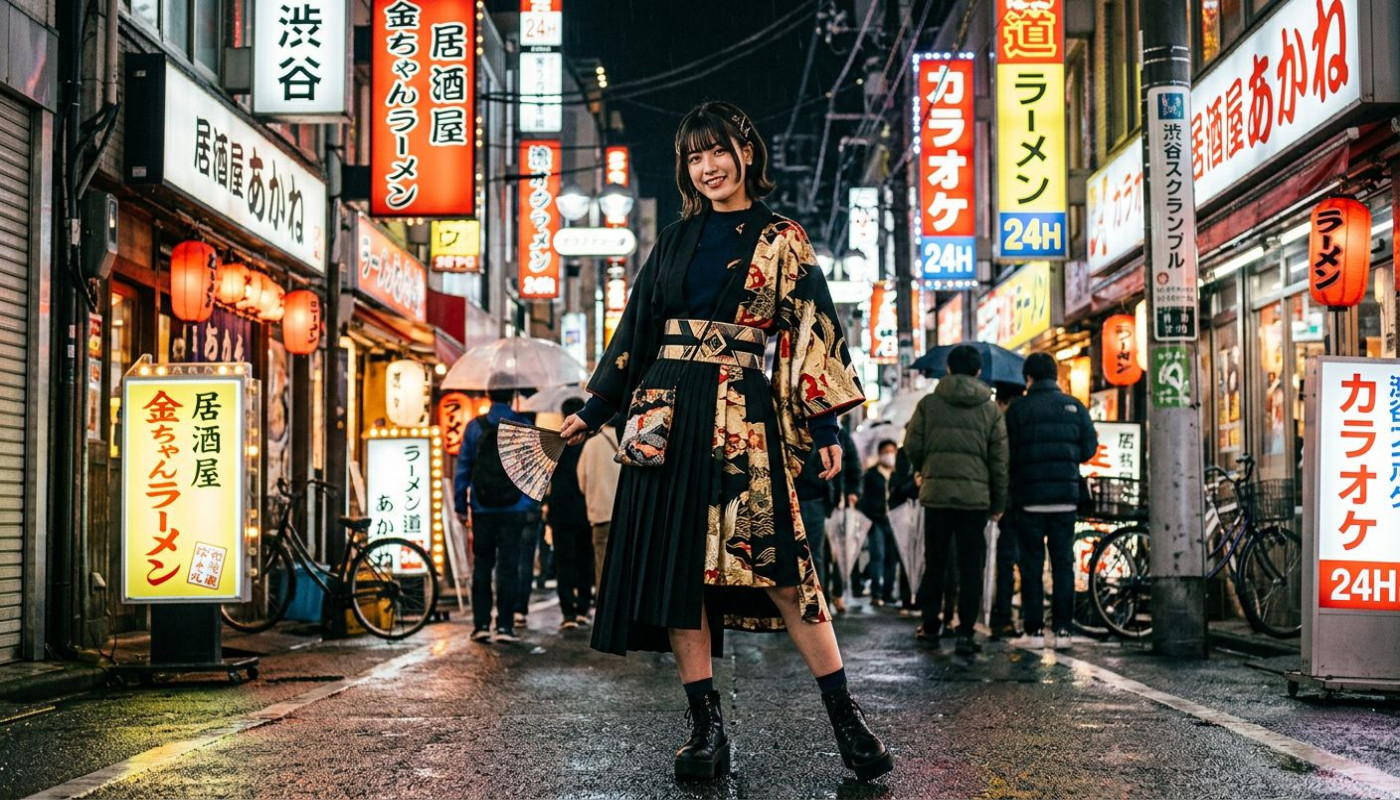
Traditional Japanese clothing such as the kimono, yukata, and hakama emerged from centuries-old practices, deeply rooted in the country’s cultural fashion and social customs. The kimono, with its intricate patterns and signature silhouette, stands as an enduring symbol in kimono history, once reserved for nobility and later adopted by wider society. Each garment served a unique role: the yukata was worn during festivals and hot seasons, while the hakama was typically part of formal or martial attire. Materials like silk and cotton, chosen through meticulous textile craftsmanship, defined the status and occasion of wearers. These garments incorporated meaningful motifs, from nature-inspired designs to seasonal symbols, which communicated messages about the wearer’s identity, beliefs, and status. The attention to detail in cut, layering, and color combination became a blueprint for later innovations in Japanese clothing, setting both practical and aesthetic standards that influenced the integration of street style elements in modern times.
Western influence on Japanese fashion
When Western influence began to permeate Japan during the late 19th and early 20th centuries, Japanese clothing underwent a dramatic transformation. Traditional garments such as kimono and hakama started to blend with Western tailoring, resulting in hybrid clothing that signaled the beginning of Japanese modern fashion. This period marked a significant stage of cultural assimilation, as urban wear began adopting global trends while retaining recognizable Japanese aesthetics. The emergence of hybridized forms included mixing Western jackets with traditional fabrics, introducing tailored shirts under kimono, and experimenting with accessories from both cultures. These innovations reflected not only practical adaptation to new lifestyles but also a conscious effort to engage with the global fashion landscape while preserving national identity.
Fashion anthropologists highlight that this synthesis laid the groundwork for future developments in Japanese urban wear, influencing the birth of contemporary streetwear. Hybrid clothing became a symbol of Japan's openness to global trends and its creative reinterpretation of external ideas. The ongoing dialogue between Western and Japanese elements continues to shape the vibrant landscape of Japanese modern fashion today. For those interested in authentic Japanese garments that showcase this evolution, learn more offers direct access to a curated selection, exemplifying the rich interplay between tradition and innovation.
Rise of urban street style
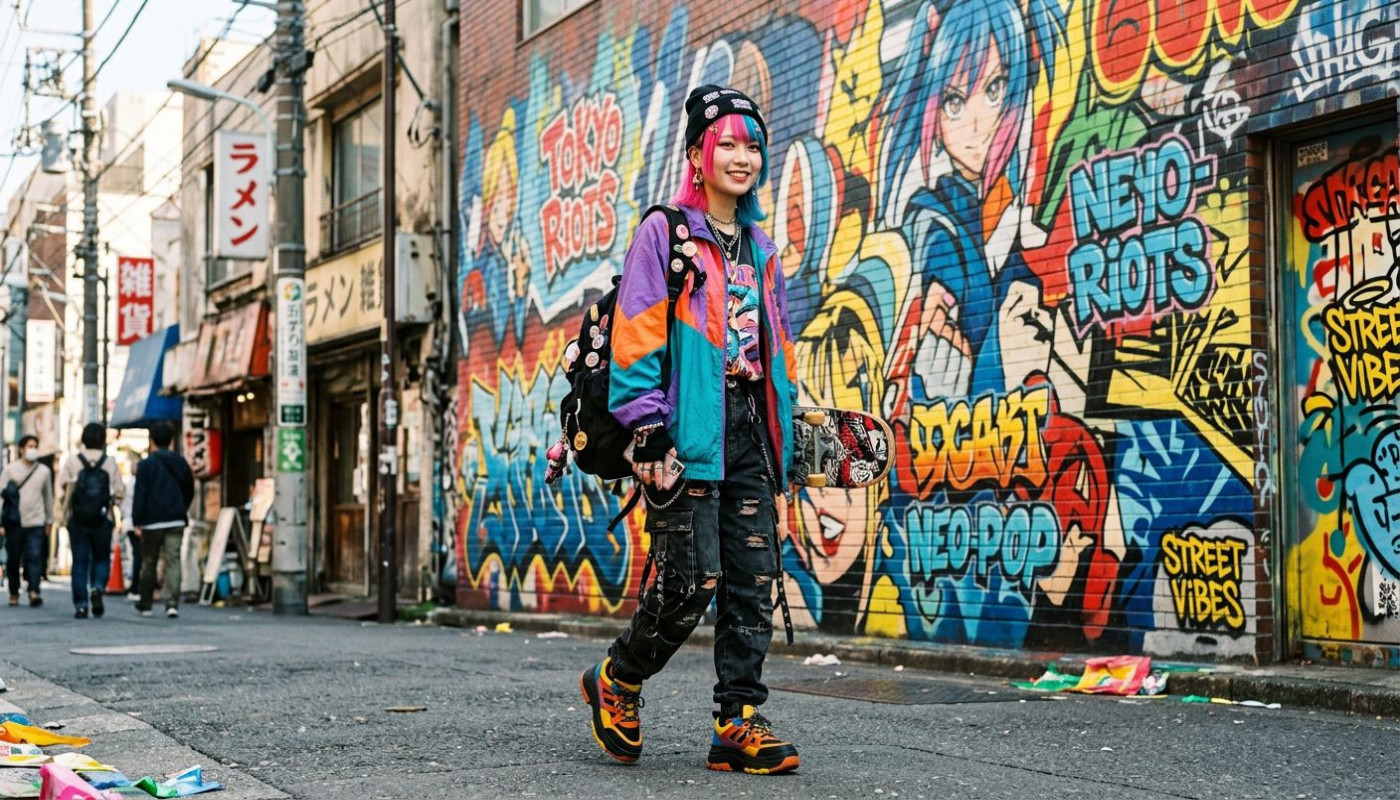
Streetwear history in Japan is deeply intertwined with the energetic pulse of its urban centers, where youth culture became a driving force behind fashion transformations. As Japanese youth gravitated toward expressions of individuality in densely populated cities, traditional garments like the kimono began to find their place within new contexts. Through the process of subcultural adaptation, recognizable elements such as the silhouette and layering of the modern kimono were seamlessly integrated into contemporary urban fashion. The result was a unique blend that retained heritage motifs while aligning with the fast-paced, eclectic spirit of Japanese street style. This evolution signaled not only a shift in clothing preferences but also reflected broader social changes, where generational identities asserted themselves through bold, innovative reinterpretations of cultural attire.
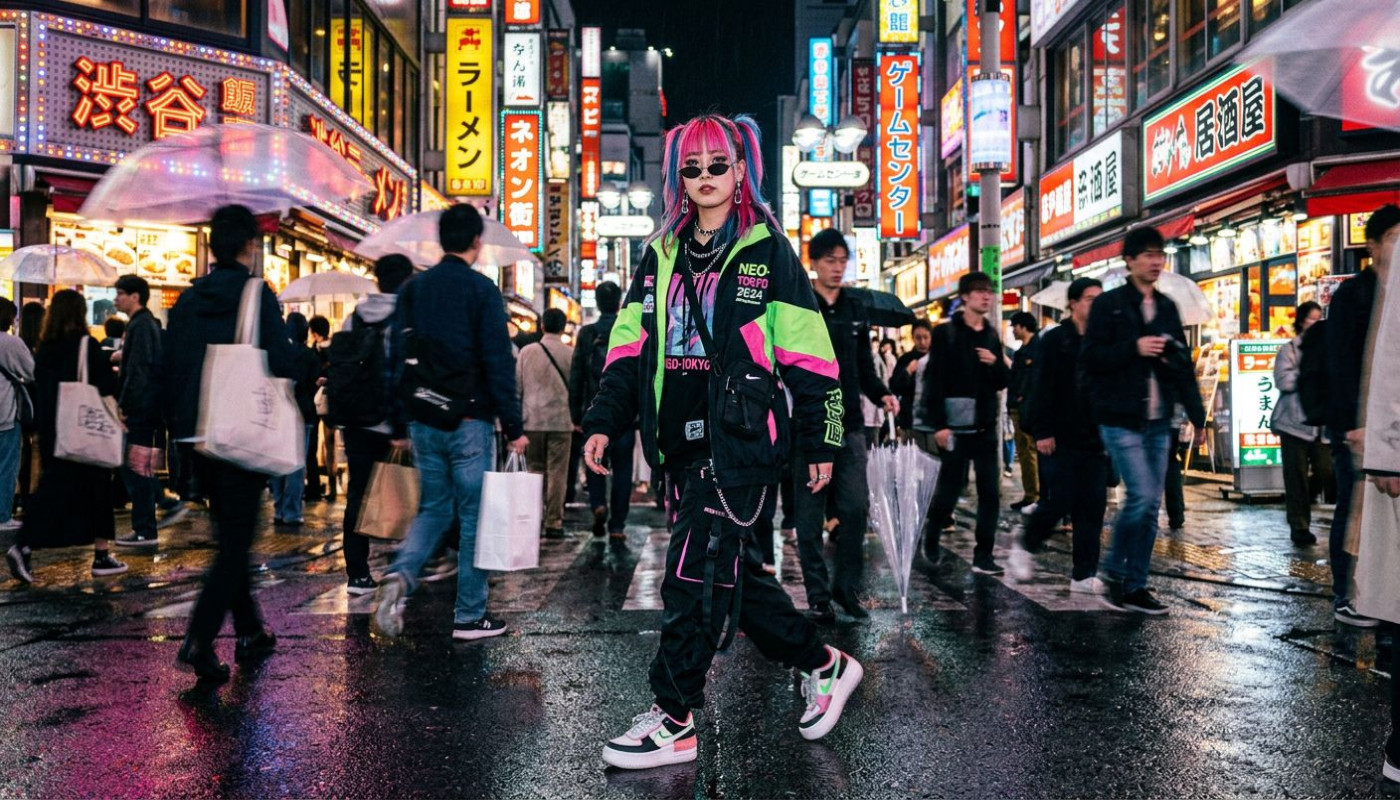
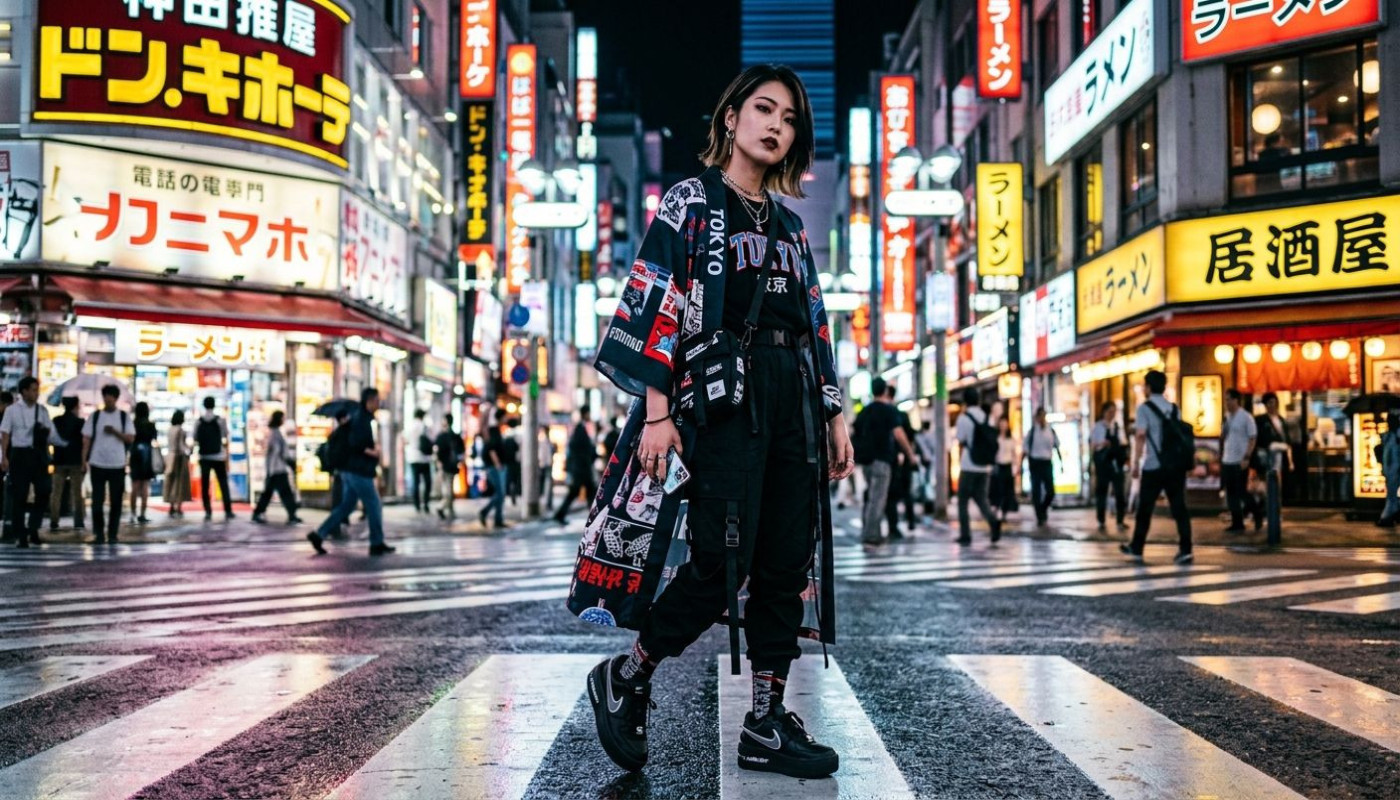
Japanese street style's global influence grew as these fashion-forward youths, inspired by both local tradition and international trends, crafted a look that was both nostalgic and progressive. Urban fashion districts such as Harajuku and Shibuya became crucibles for experimentation, where the boundaries between classic and contemporary blurred. According to urban fashion theorists, this ongoing dialogue between old and new has defined streetwear history in Japan, making it a leading force in global style movements. The modern kimono, adapted for city life and often paired with sneakers, graphic tees, and experimental accessories, serves as a testament to the adaptability and creativity inherent in Japanese youth culture.
Design elements in modern streetwear
Modern streetwear consistently incorporates Japanese design influences, with a particular focus on garment construction and fashion innovation. A fashion designer specializing in Japanese-inspired streetwear often examines the structural silhouette found in traditional kimono and hakama, adapting these loose, flowing forms into contemporary pieces. Such silhouettes, combined with deliberate layering techniques, allow wearers to create dynamic and visually striking outfits that reflect both heritage and modern trends. Layering, a hallmark of Japanese fashion, is achieved by juxtaposing garments of varying lengths and textures, echoing the fluidity and versatility of classic attire. Moreover, the use of fabric techniques such as sashiko stitching, indigo dyeing, and natural fiber blends further distinguishes these garments within the modern streetwear scene, enhancing both durability and aesthetic complexity.
Fashion innovation continues as Japanese design principles are reinterpreted for urban environments. Designers bring technical expertise in garment construction, engineering intricate closures, oversized sleeves, and modular components reminiscent of traditional wear. The structural silhouette is not only visually compelling but also functional, offering freedom of movement and adaptability. These elements have positioned Japanese-inspired modern streetwear at the forefront of global fashion, attracting enthusiasts who appreciate craftsmanship, versatility, and a narrative rooted in cultural exchange. Such influences ensure that the spirit of historical Japanese garments remains alive, evolving in response to the ever-changing landscape of street fashion.
Global impact and future directions
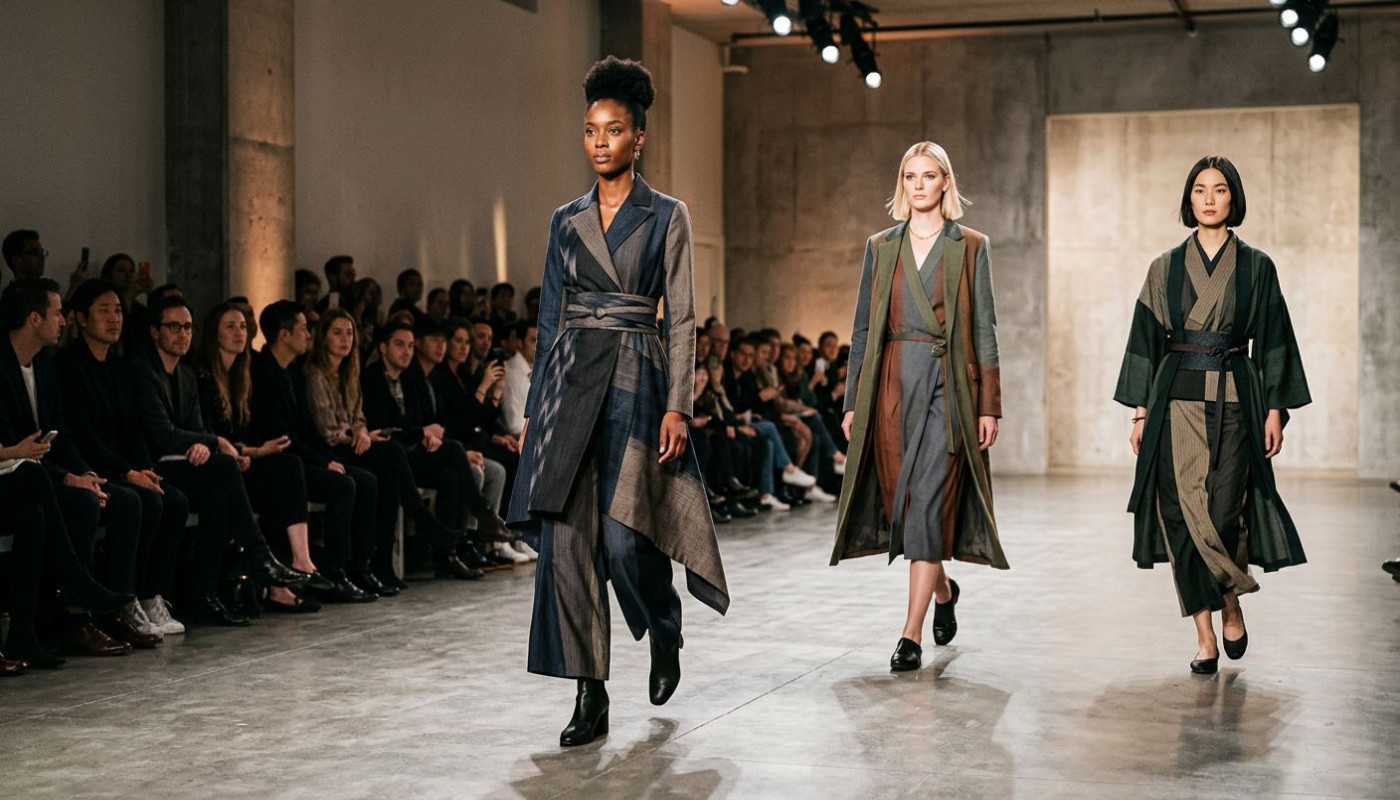
Japanese-inspired streetwear has become a force driving global fashion trends, with its influence visible across major cities and fashion capitals around the world. The phenomenon of cross-cultural diffusion plays a significant role as elements rooted in traditional Japanese garments, such as kimono sleeves, obi belts, and indigo dyeing, are reinterpreted within urban streetwear aesthetics. This ongoing process of cultural exchange enriches worldwide style, attracting designers and enthusiasts eager to blend the historic with the contemporary. Streetwear future is set to see even deeper integration, where innovative materials, sustainable practices, and storytelling rooted in Japanese heritage continue to inspire collections on international runways. A global fashion trend analyst would highlight that the ongoing Japanese influence is not a fleeting phase but a dynamic force shaping the landscape of streetwear, encouraging new collaborations and creative expressions that transcend borders.
Similar articles