Table of contents
Traditional Japanese garments, known for their exquisite craftsmanship and timeless elegance, are experiencing a dynamic transformation in the world of fashion. This article explores how these iconic pieces are being reimagined for contemporary lifestyles, blending heritage with modern sensibilities. Discover the creative processes, cultural significance, and technical innovations revitalizing these revered designs for today’s wardrobes.
Modernizing ancient silhouettes
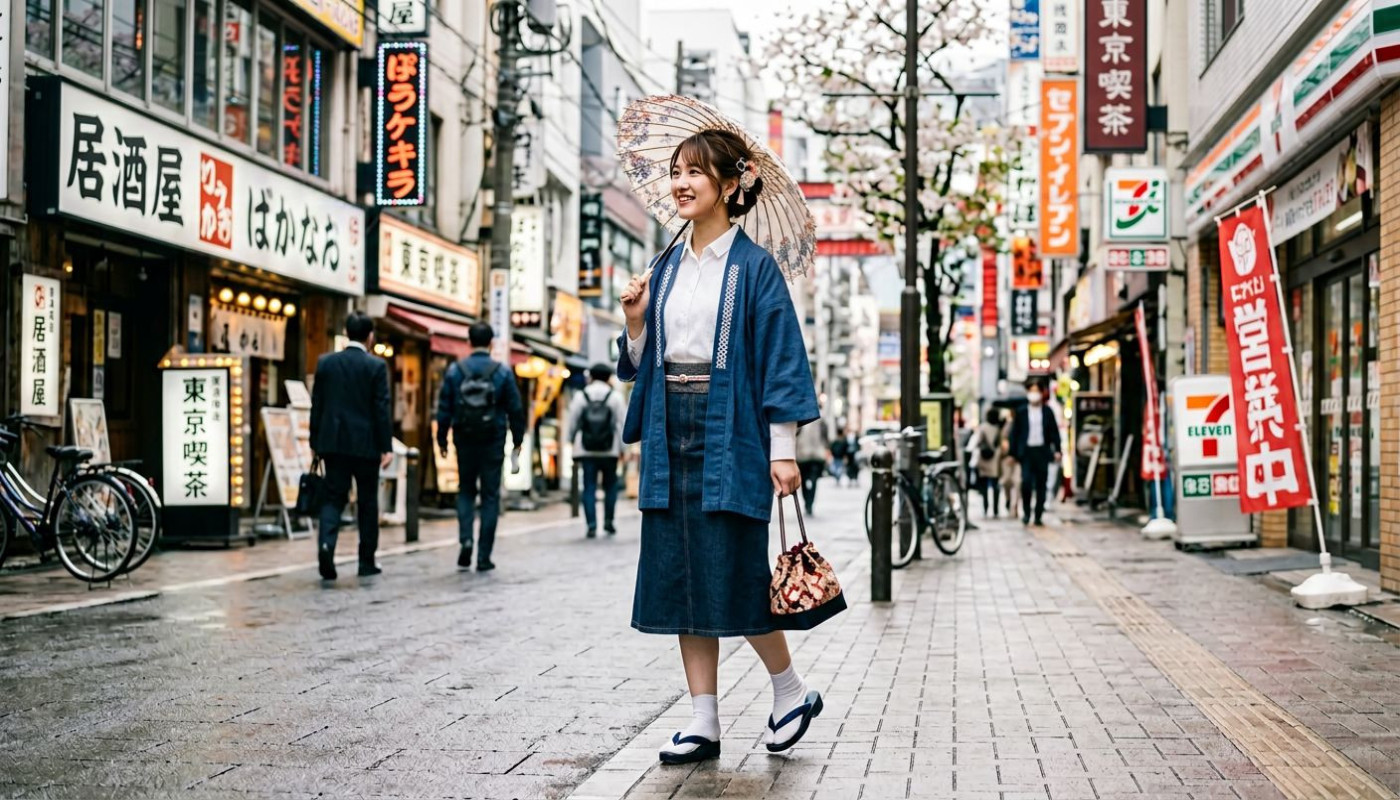
Japanese fashion has seen a creative transformation as designers revisit traditional clothing, adapting styles like the kimono, yukata, and hakama for today’s wearers. These classic pieces, once reserved for formal occasions or specific rituals, are now being reimagined with innovative approaches to garment construction that reflect contemporary design sensibilities. Modern kimono, for instance, often feature streamlined silhouettes, adjustable closures, and lighter, machine-washable fabrics, making them more accessible and comfortable for everyday use.
Clothing innovation is evident in the introduction of flexible tailoring and casual elements that blend seamlessly with modern wardrobes. Designers incorporate stretch panels, removable linings, and simplified layering methods, offering wearers increased mobility and adaptability. Hybrid forms—like kimono coats, wrap dresses, or pants inspired by hakama—have gained attention for balancing comfort and practicality while retaining the visual impact and symbolic meaning deeply rooted in Japanese culture.
Such adaptations in traditional clothing address the evolving lifestyles and fashion preferences of new generations without sacrificing cultural identity. The integration of contemporary design philosophies with time-honored techniques ensures that these garments, once restricted by rigid formal codes, now possess a versatility that resonates globally. This ongoing evolution highlights the enduring appeal and relevance of Japanese fashion, where respect for heritage coexists with a spirit of bold experimentation.
Innovative fabric technologies
In the realm of modern Japanese clothing, textile innovation is playing a transformative role by integrating new materials and advanced textile synthesis to reinterpret traditional garments for contemporary lifestyles. Designers are increasingly turning to sustainable textiles, prioritizing organic fibers, recycled yarns, and low-impact dyeing processes that cater to the growing demand for eco-friendly fashion. These choices not only respect the aesthetic heritage of Japanese attire but also address environmental concerns, making kimonos and hakamas suitable for environmentally conscious consumers. Performance fabrics, engineered through cutting-edge textile synthesis, are also being adopted to enhance moisture-wicking, breathability, and flexibility, ensuring that classic silhouettes are both comfortable and practical for daily use.
Lightweight blends combining natural and synthetic fibers further contribute to the evolution of modern Japanese clothing, delivering ease of movement without compromising on the refined appearance associated with tradition. With the development of durable, stain-resistant, and quick-drying materials, traditional garments are now tailored for urban living and active lifestyles. This fusion of heritage design with advanced textile innovation demonstrates how sustainable textiles and performance fabrics are reshaping the narrative around Japanese dress, enabling these garments to transcend ceremonial use and find relevance in everyday, eco-friendly fashion wardrobes.
Cultural symbolism reinterpreted
Designers are navigating the delicate balance between heritage and innovation by reimagining traditional Japanese motifs within the context of modern design. This cultural symbolism, rooted in centuries-old beliefs and customs, is being thoughtfully reinterpreted through the adaptation of traditional patterns, colors, and iconography. Chrysanthemums, waves, cranes, and other Japanese motifs—each with deep historical significance—are being given new life as contemporary fashion houses infuse them into streamlined silhouettes and innovative textiles. By doing so, the visual language of classic garments like the kimono and hakama becomes accessible to a broader audience, while still resonating with the cultural memory they evoke.
Fashion reinterpretation often involves selectively simplifying or abstracting traditional patterns so they align with current aesthetic sensibilities, yet do not lose their symbolic power. For instance, the enduring seigaiha wave pattern, once reserved for formal wear, now appears on casual streetwear and accessories, subtly linking modern lifestyles with ancestral values of resilience and harmony. Color palettes are also shifting; vibrant reds and indigos traditionally associated with status and celebration are now paired with muted tones, reflecting global trends but maintaining a respectful nod to their origins.
In the hands of skilled designers with a deep appreciation for Japanese iconography, these garments become more than fashion statements; they function as cultural bridges. Through mindful adaptation, the nuanced meanings behind each motif—whether representing longevity, luck, or the changing seasons—are preserved and communicated to a new generation. This approach not only honors the past but ensures that cultural symbolism remains dynamic and relevant within the landscape of modern design.
Fashion houses and independent creators alike are increasingly consulting with cultural historians and artisans to ensure authenticity in their reinterpretation efforts. This collaborative process helps safeguard the integrity of traditional patterns and acknowledges the responsibility inherent in modern fashion reinterpretation. By blending innovation with reverence, the ongoing transformation of Japanese garments exemplifies a model for incorporating heritage into contemporary design in a way that is both meaningful and visually compelling.
Streetwear and traditional fusion
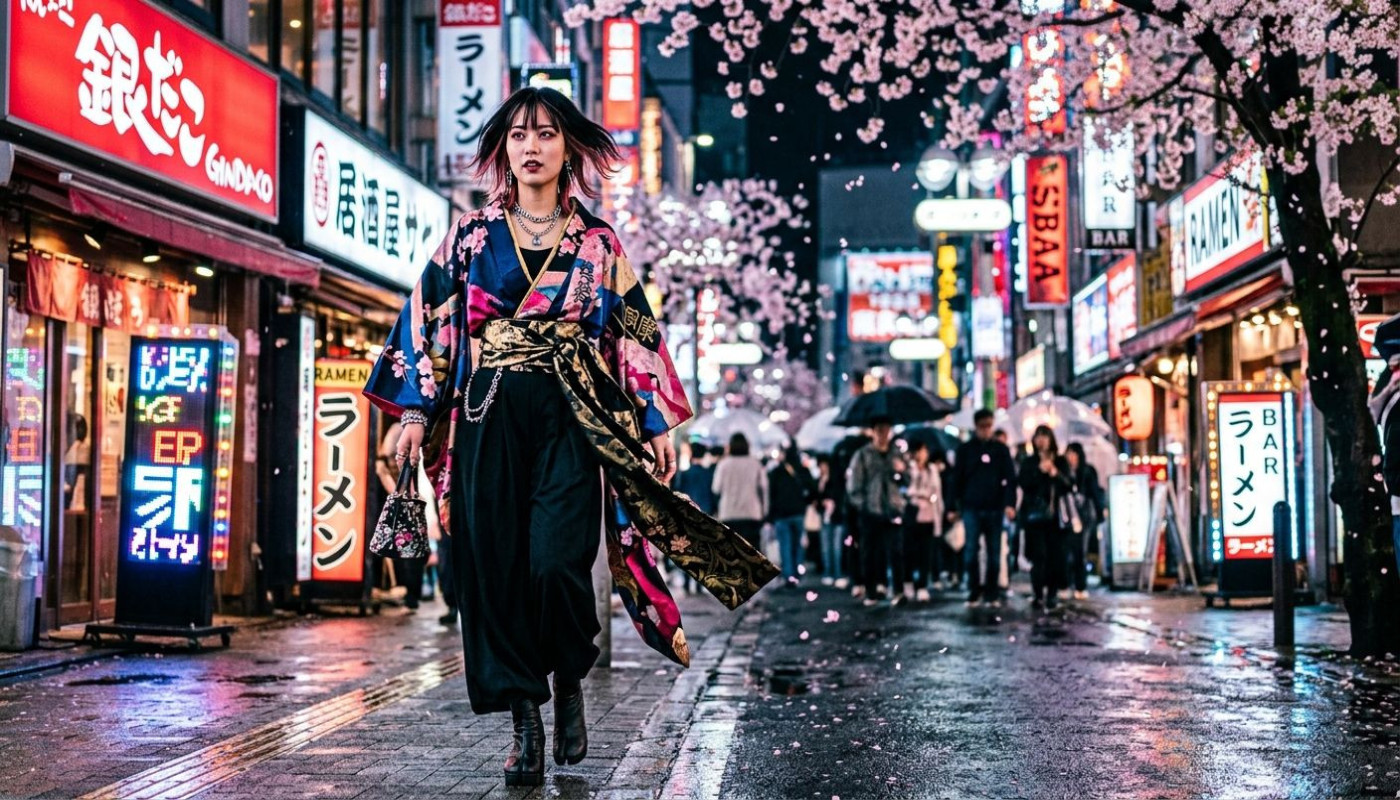
In recent years, Japanese streetwear has played a significant role in the hybridization of traditional garments, transforming how heritage clothing fits into urban fashion. Designers and brands are collaborating to blend the iconic aesthetics of the modern kimono with street-ready adaptations, resulting in garments that resonate with both Japanese cultural roots and contemporary global trends. This traditional fusion is evident in the way subcultures reinterpret classic silhouettes, adopting features like wide sleeves, sashes, and intricate patterns, but reimagined through the lens of oversized fits and creative layering. Beyond the runway, these influences have permeated city streets, where layering a modern kimono jacket over hoodies or incorporating casual accessories such as sneakers and bucket hats has become a hallmark of contemporary Japanese style.
The process of hybridization is not only aesthetic but also functional, allowing for greater comfort and self-expression. Urban fashion enthusiasts have embraced the adaptability of these reimagined garments, making them suitable for everyday wear while still honoring traditional craftsmanship. This dynamic transformation reflects a broader movement in Japan’s fashion landscape, where youthful innovators experiment with textiles, silhouettes, and proportions. Brands specializing in authentic and modern interpretations of Japanese clothing illustrate how timeless designs can be made relevant and accessible to new generations, both domestically and internationally.
To explore these trends and shop the latest in traditional-meets-modern apparel, see this website, which curates a wide selection of garments inspired by both heritage and urban influences. The availability of such pieces online allows for the continued evolution and appreciation of the contemporary Japanese style, showcasing the ongoing dialogue between history and modernity in fashion.
Preserving craftsmanship in modernity
In the evolving world of modern fashion, there is a dedicated movement to keep traditional techniques at the heart of Japanese craftsmanship. Methods such as hand-dyeing, intricate embroidery, and weaving continue to be valued, even as designers introduce contemporary silhouettes and new materials. The careful integration of technology with artisanal skills ensures that garments retain their unique character, blending the past with the present. Throughout Japan, workshops led by master artisans emphasize the concept of artisan lineage, training the next generation to master these age-old skills while adapting them for modern aesthetics. This ongoing commitment not only enriches modern fashion but also strengthens heritage preservation, honoring the cultural stories woven into every thread and pattern of traditional attire.
Similar articles