Table of contents
Japanese culture has long influenced global fashion, offering a rich tapestry of symbols that ignite the imagination of designers and style enthusiasts alike. From traditional motifs to modern reinterpretations, these influences can be seen woven throughout contemporary collections on runways and city streets worldwide. Explore how ancient icons and new trends intertwine, revealing the ongoing conversation between Japanese heritage and modern fashion expression.
Japanese motifs in streetwear
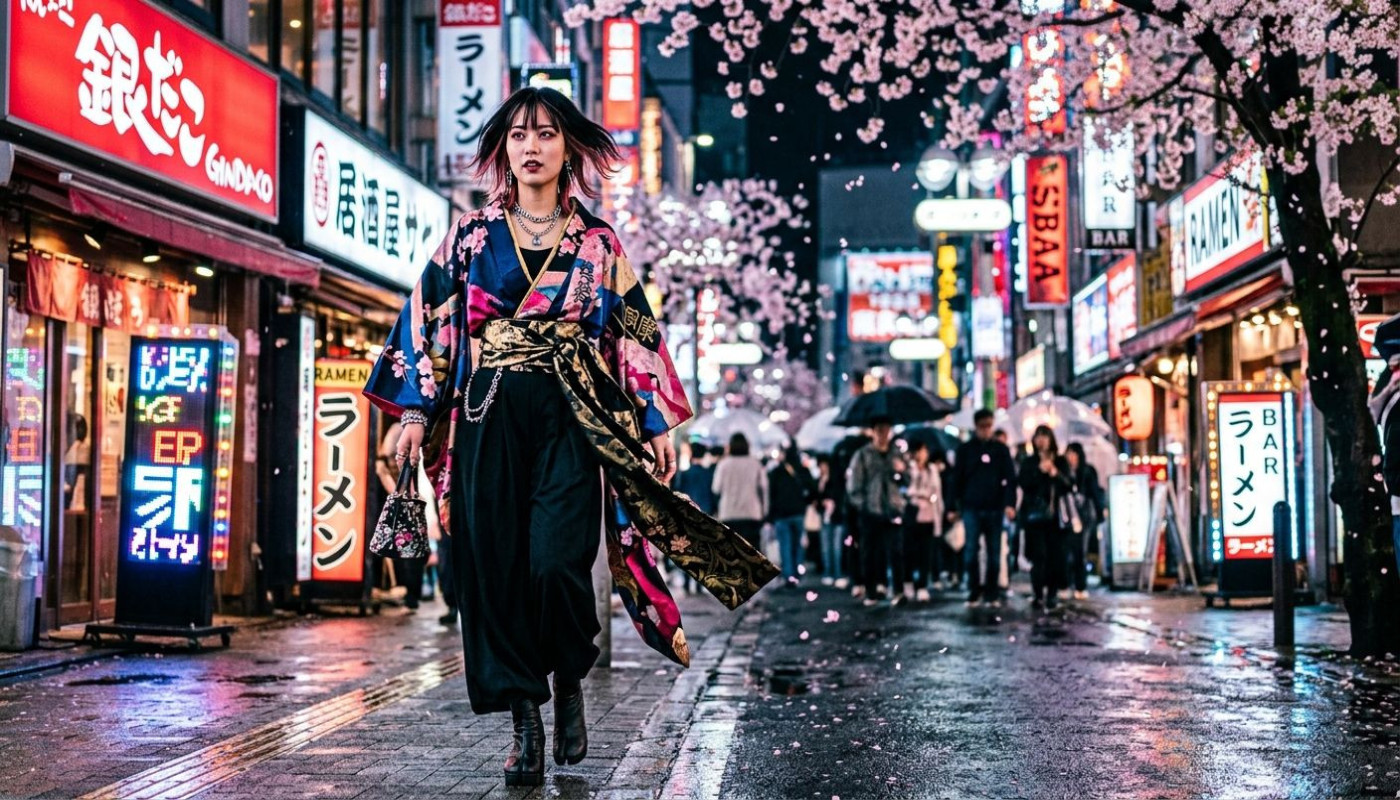
Japanese streetwear has become a global phenomenon, with fashion symbols like kanji, cherry blossoms, and koi fish making a striking impact on urban trends. The graphic motif integration of these elements into street style is not only visually captivating but also rich in meaning. Kanji in fashion, for instance, adds a layer of mystique and depth, with each character conveying specific concepts or values such as strength, harmony, or perseverance. Cherry blossoms, celebrated for their fleeting beauty, evoke themes of renewal and the transient nature of life, while koi fish often represent resilience and transformation due to their legendary upstream journeys. These motifs, meticulously incorporated into hoodies, tees, and accessories, fuse traditional Japanese artistry with contemporary urban aesthetics, creating a compelling bridge between heritage and modernity. As such, the adoption of Japanese motifs in streetwear reflects both a respect for cultural symbolism and a desire for standout visual storytelling in fashion.
Kimono reinvented for modern times
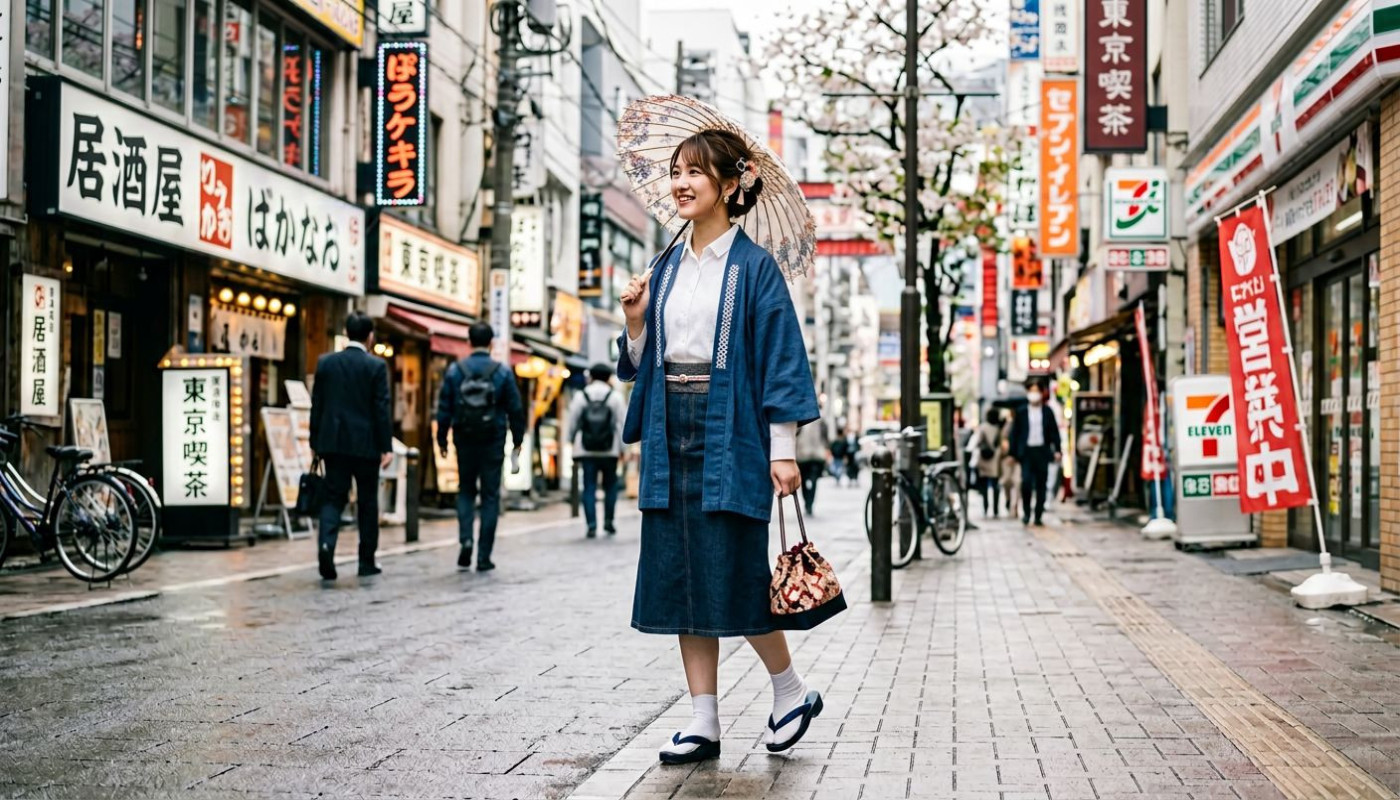
The modern kimono exemplifies the hybridization of traditional garments within the evolving landscape of Japanese fashion. Contemporary designers draw kimono inspiration by experimenting with lighter, more breathable fabrics such as cotton blends and synthetics, which contrast with the original silk and brocade materials used in historical versions. These fabric updates, combined with streamlined silhouettes—shortened sleeves, relaxed fits, and simplified closures—have transformed the kimono from a ceremonial attire into a versatile piece suited for daily use. This process of cultural adaptation ensures that the garment's inherent symbolism and artistry remain intact, while also addressing the demands of a fast-paced, urban lifestyle.
Designers committed to contemporary design have further reimagined the kimono through novel styling techniques. Layering kimonos with Western garments, integrating modern prints, and incorporating practical details like pockets have allowed Japanese fashion to embrace a global audience while honoring its roots. Such innovative approaches reflect a deep respect for tradition, yet also signal a willingness to reinterpret heritage for new generations. The result is a dynamic blend of past and present, where the modern kimono stands as both a fashion statement and a testament to the enduring power of cultural symbols in shaping personal and collective identity.
Minimalism in Japanese-inspired fashion
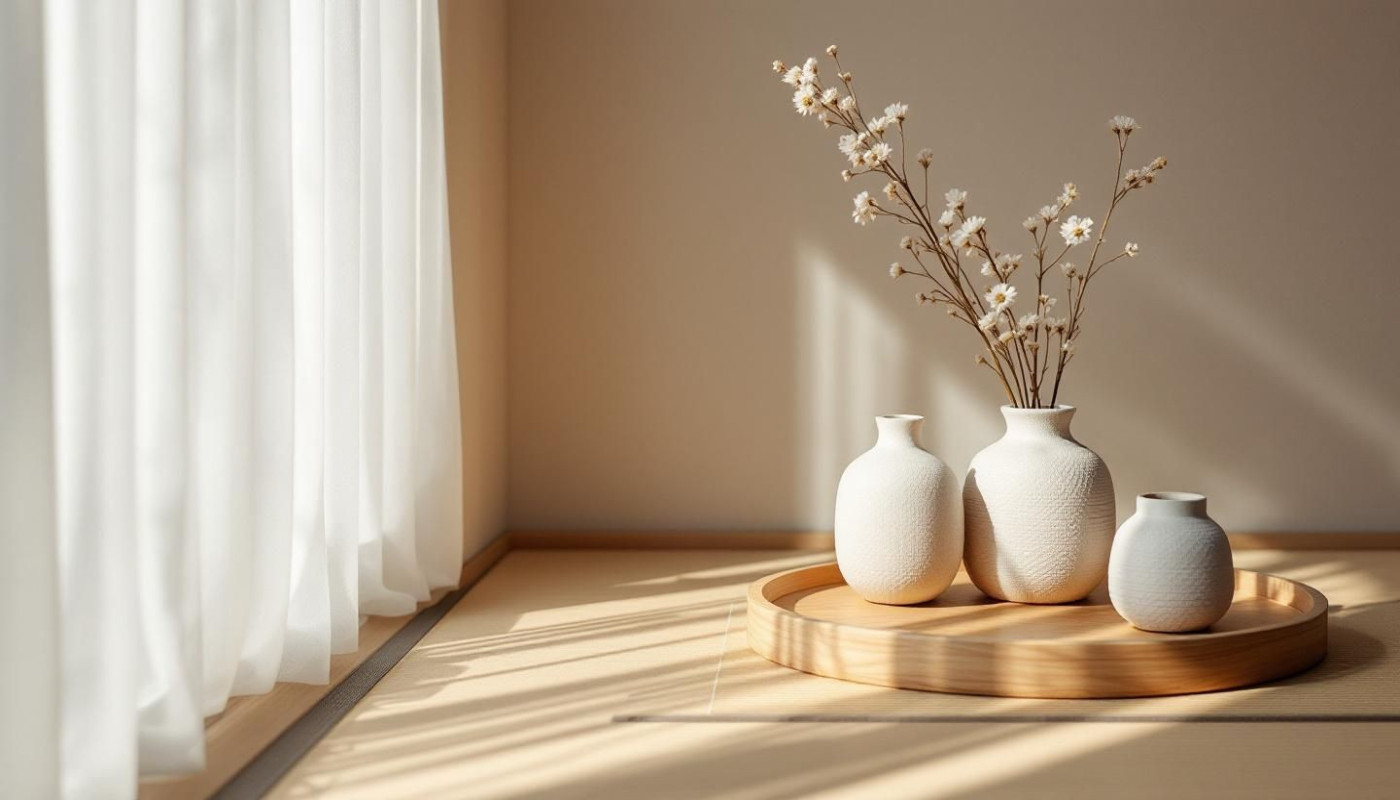
Japanese minimalism exerts a substantial impact on modern fashion aesthetics, drawing extensively from principles such as wabi-sabi style and aesthetic reductionism. This design philosophy prioritizes clean lines, neutral palettes, and a focus on simplicity in design, embodying a unique sense of understated elegance. The influence of wabi-sabi style manifests in garments that celebrate imperfection, subtle textures, and the quiet beauty of transience, which aligns with the broader minimalist trends seen on international runways today. Designers are increasingly adopting aesthetic reductionism, paring down embellishments in favor of intentional, thoughtful composition, creating apparel that resonates with the spirit of Japanese minimalism.
Fashion labels and global retailers have embraced this approach by curating collections that highlight simplicity in design, often featuring monochrome ensembles and sleek, uncluttered silhouettes. The demand for Japanese-inspired minimalism is evident not only in high-fashion circles but also in accessible streetwear, where the balance between form and function is celebrated. For those seeking real-world examples and curated collections reflecting these influences, the website offers an insightful look at how Japanese culture continues to redefine minimalist trends, making traditional values relevant within contemporary wardrobes. If you're curious to explore unique styles rooted in Japanese fashion aesthetics, this resource serves as a gateway to a world where simplicity meets innovation.
Symbolic color palettes in design
Japanese color symbolism plays a distinctive role in shaping modern fashion palettes, with traditional colors such as indigo (ai), red (aka), and white (shiro) providing a rich chromatic semiotics that resonates deeply across the industry. Indigo, once used extensively in historical garments, is often associated with harmony, tranquility, and craftsmanship; it appears regularly in denim, streetwear, and luxury textiles, demonstrating its ongoing cultural influence in fashion. Red, a color imbued with energy, auspiciousness, and connection to ceremonial traditions, features prominently in both bold statement pieces and subtle accents, infusing collections with a sense of vitality and reverence for heritage. White, standing for purity and simplicity, permeates minimalist designs and high-end couture, reflecting values of clarity and refined sophistication.
Understanding the color meaning behind these traditional colors allows designers and brands to create fashion palettes that evoke specific emotional responses, while also paying homage to historical roots. The nuanced use of Japanese color symbolism is evident in seasonal collections and collaborations between Japanese designers and international labels, where the selection of hues is not merely aesthetic but loaded with cultural significance. This interplay of chromatic semiotics ensures that traditional colors continue to inform and inspire both casual and high-end fashion, reinforcing the cultural influence in fashion and advancing a global appreciation for Japan’s chromatic legacy.
Nature-inspired patterns and textures
Modern fashion frequently incorporates Japanese patterns rooted in nature, utilizing biomorphic patterning to evoke organic forms like waves, cranes, and bamboo. Designers often draw fabric inspiration from centuries-old motifs such as seigaiha (stylized waves) or the elegant, elongated silhouettes of cranes, celebrated for their symbolism of longevity and good fortune. These motifs transcend mere decoration; they are skillfully integrated into texture design through weaving, embroidery, and printing techniques that aim to mimic the subtle movement of water or the tactile sensation of bamboo. Nature in fashion extends beyond visuals, influencing the selection of natural fibers and garment construction methods that echo the harmony and balance found in traditional Japanese aesthetics. Through carefully chosen textiles and thoughtfully applied patterns, contemporary clothing pays homage to the enduring beauty and cultural meanings woven into the landscape of Japan.
Similar articles